
Charter bus capacity is not just about how many seats you have. It decides your profit, your routes, and even your long-term survival as a fleet owner.
Many buyers focus only on price or brand. But the real question is this. Will this bus earn money on your routes, or sit idle? That’s where capacity comes in.
This guide walks through the real decisions operators face. It answers the doubts that show up late at night when numbers don’t add up.
Why Charter Bus Capacity Matters More Than You Think
A 56-seat coach may look like the best choice. Bigger seems better. But is it?
Think about a weekday airport shuttle run. You may only fill 18–25 seats. That leaves half the bus empty. Fuel cost stays the same, driver cost stays the same, and profit drops.
Now flip it. A small 24-passenger minibus on a sold-out weekend trip. You turn away customers. Lost revenue again.
Capacity is not about size. It’s about what works for your business.
A Quick Charter Bus Capacity Chart (Know Your Options)
Before diving deeper, here’s a simple charter bus capacity chart to ground your decisions.
- Minibus: 18–30 passengers
- Mid-size coach: 30–40 passengers
- Full-size motorcoach: 55–56 passengers
- Double-decker coach: 70–80 passengers
This range helps answer the basic question. How many seats do I really need?
1. Choose Capacity Based on Your Routes, Not Assumptions
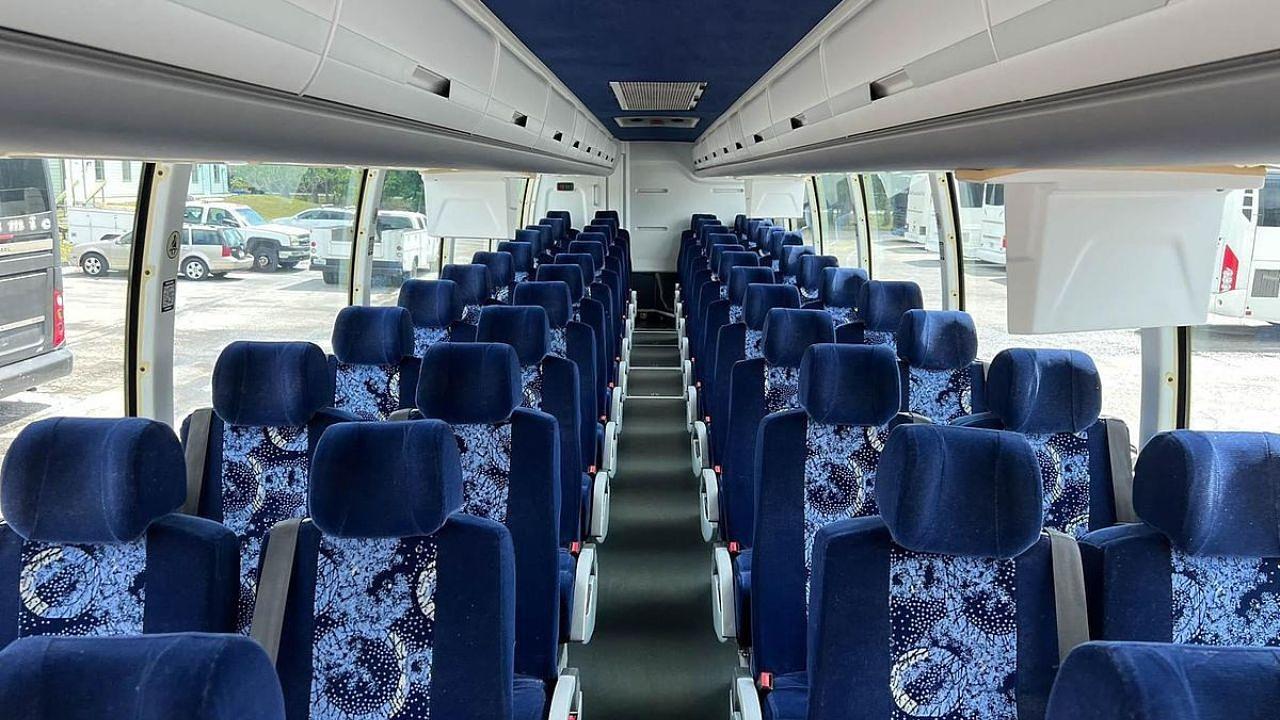
Many first-time buyers think bigger buses win bigger contracts. That’s not always true.
A small charter company in Florida once bought two full-size coaches for hotel shuttle work. Within six months, both sat unused midweek. Why? The demand was not there.
Better approach:
- Match bus size to your average load, not peak demand
- Study your route patterns before buying
- Keep a mix of vehicle sizes if possible
When browsing inventory at The Bus Coach, this is where expert guidance matters. We don’t just sell buses. We help match the vehicle to your real business use.
2. More Seats Do Not Always Mean More Profit
Here’s a common trap.
You buy a 56-seat coach, thinking you will earn more per trip. But your average booking is 32 passengers.
Now you carry:
- Higher fuel cost
- Higher maintenance cost
- Same revenue
That gap eats into your margins.
A smarter way to think:
- Revenue per seat matters more than total seats
- A full smaller bus often beats a half-empty large one
- Profit depends on utilization, not capacity
This is where financing decisions also come into play. Through The Bus Coach operators, you can explore flexible financing options that align payments with real revenue cycles, not just purchase price.
3. Capacity Impacts Maintenance and Downtime
Bigger buses bring bigger responsibilities.
A full-size coach has:
- More complex systems
- Higher parts cost
- Longer repair time
If a bus breaks down during peak season, it hurts more than just repair bills. It affects your reputation.
Ask yourself:
- Do you have access to reliable service support?
- Can you get parts quickly?
- Who helps when a bus is down mid-route?
This is where working with a full-service partner matters. The Bus Coach supports operators not just during the sales but with ongoing service guidance, helping reduce downtime risks.
4. Financing Should Match Your Capacity Strategy
A bus is not just a vehicle. It’s a long-term financial commitment.
Many operators worry about this:
- Can I afford monthly payments during the off-season?
- What if my routes change?
Capacity plays a role here too.
A larger bus means:
- Higher upfront cost
- Higher monthly payments
- Greater financial pressure
Smaller or mixed fleets allow flexibility.
When exploring our inventory on The Bus Coach Listings, buyers often compare not just specs but financing structures. The goal is simple. Keep cash flow steady while growing the fleet.
5. Mixed Fleet Strategy Beats One-Size-Fits-All
Successful operators rarely rely on one type of bus. They mix capacity to match demand.
A typical smart fleet may include:
- 1–2 full-size coaches for large groups
- 2–3 minibuses for daily contracts
- Shuttle vehicles for niche routes
Why this works:
- You serve more customer types
- You reduce empty seat losses
- You stay flexible during seasonal changes
When browsing our inventory, you’ll notice a wide range of vehicles. That’s intentional. It supports this exact strategy.
6. Standard 56-Passenger Coaches Still Dominate for Small Operators
Not all capacity decisions are equal in real-world operations. While flexibility matters, most smaller and newer charter companies benefit more from sticking to standard full-size coaches.
A 56-passenger motorcoach is still the industry baseline for a reason. It fits nearly 99% of charter jobs, from school trips to corporate events and tour groups.
Smaller operators often overlook this and try to get too creative too early. That can limit their ability to accept last-minute contracts or support other companies when they are overbooked.
In practice, a standard coach gives three major advantages:
- Higher job acceptance rate across the market
- Better resale value in the used bus ecosystem
- Easier scheduling flexibility with partner operators
Established fleets sometimes experiment with smaller or modified seating layouts. Some even remove seats to create more legroom and market it as a premium comfort upgrade. That works only when contracts are already stable.
For newer or growing operators, simplicity wins. A standard configuration reduces risk and keeps your bus working more days of the year.
7. Capacity Affects Your Brand and Customer Experience
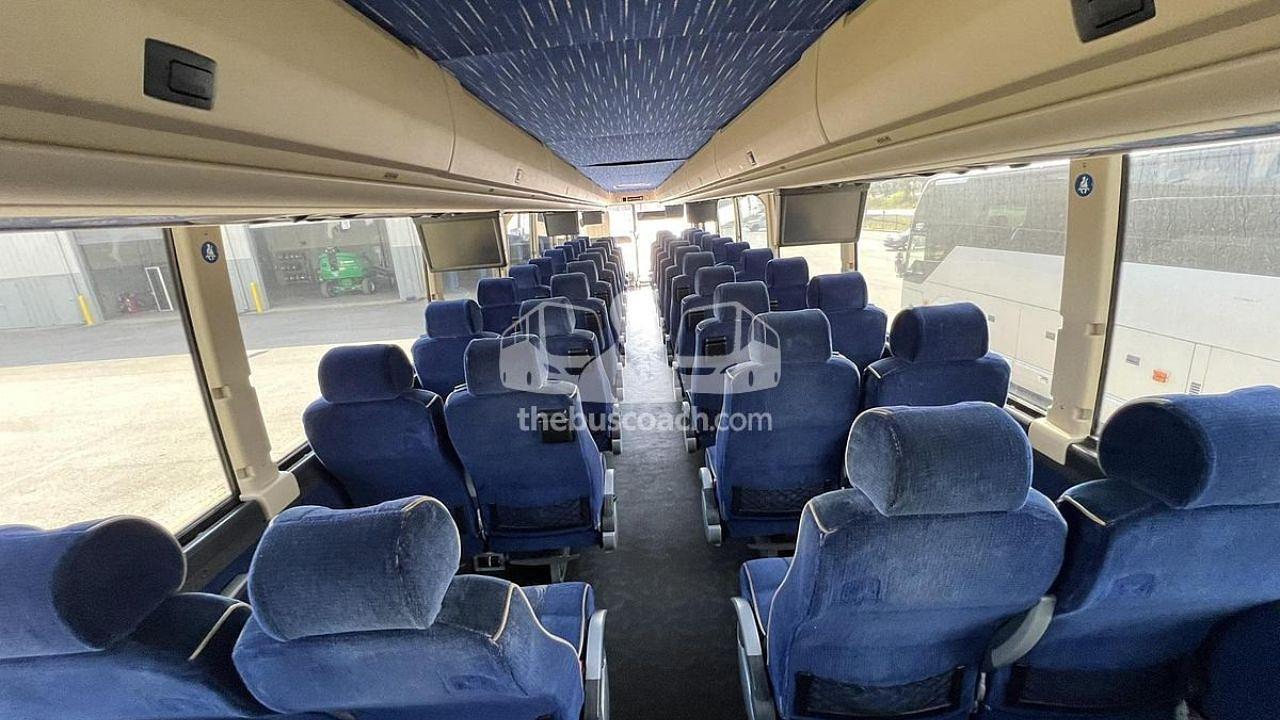
Passengers notice space, but they also notice comfort. A crowded bus feels stressful, while a half-empty luxury coach feels premium.
Ask yourself:
- What experience do your customers expect?
- Are you serving budget groups or corporate clients?
For example:
- Corporate clients prefer spacious seating
- School groups prioritize cost over comfort
- Tour groups want a balance
Choosing the right capacity helps you position your brand clearly.
8. Future Growth Depends on Today’s Capacity Decision
This is the part many buyers overlook. Your first bus shapes your future.
A wrong choice can:
- Limit your contracts
- Increase operating costs
- Slow down the expansion
A right choice can:
- Open new routes
- Improve margins
- Build long-term stability
This is why many operators don’t just “buy a bus,” they build a plan. Working with a partner like The Bus Coach helps here. Our approach focuses on long-term growth, not just a quick sale.
How to Choose the Right Charter Bus Capacity (Simple Framework)
Use this quick checklist:
- What is your average passenger count per trip?
- What type of contracts do you serve?
- How seasonal is your business?
- Can you fill the bus consistently?
- Do you have support for maintenance and repairs?
If even one of these feels unclear, it’s worth slowing down.
Where to Start When Buying a Charter Bus
The easiest way to avoid costly mistakes is to explore real inventory and compare options.
Start here:
- Browse available buses on The Bus Coach Listings
- Look at different sizes and configurations
- Ask about financing and service support
- Think beyond price and focus on long-term fit
A good dealer will not push the biggest bus. They will guide you toward the right one.
The Bigger Question
At the end of the day, charter bus capacity is a business decision, not just a technical one. It shapes your revenue, your costs, and your future.
So the real question is not “How many seats do I need?”
It’s which capacity will keep your buses full, your costs under control, and your business moving forward?
Real Questions Buyers Ask Before Choosing Bus Capacity
Is a full-size coach worth it for a small fleet?
Only if your demand supports it. Otherwise, start smaller and scale.
Will a smaller bus limit my growth?
Not if you plan your fleet mix. Growth comes from flexibility.
Do I need financing to make this work?
In most cases, yes. But the right structure can make expansion easier, not harder.
What if I choose the wrong capacity?
That’s why expert guidance matters before you buy, not after.