
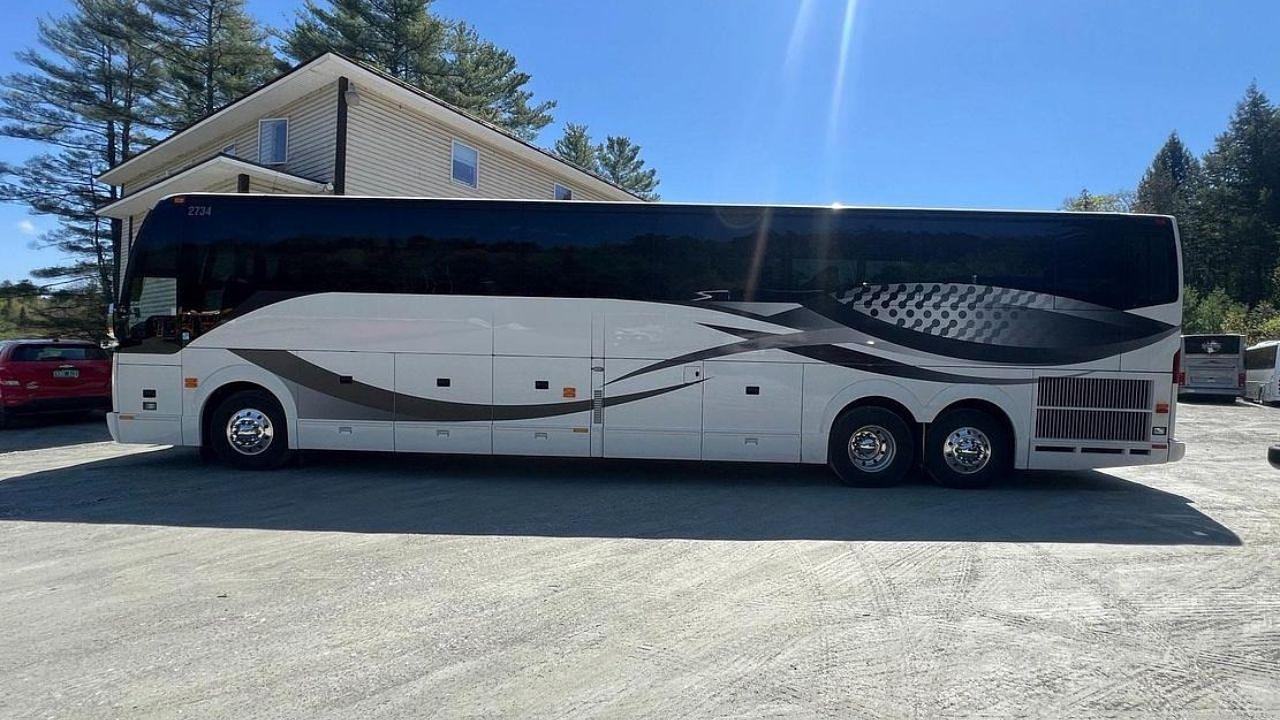
A charter bus for a school field trip is not a one-size-fits-all decision. It sits at the center of a much bigger fleet strategy involving cost, comfort, maintenance, and long-term planning.
For some operators, the goal is simple: move groups safely at the lowest cost. For others, it is about delivering comfort, building brand image, and winning premium school contracts. Most successful fleets balance both.
That balance usually comes down to two key factors—cost and comfort. In transportation, these two always move in opposite directions.
Lower-cost buses reduce operating pressure but offer a basic experience. Higher-comfort coaches improve passenger satisfaction but come with higher fuel, maintenance, and ownership costs.
Understanding this trade-off is the first step in making smarter fleet decisions.
How Real Operators Actually Structure Their Fleet
Most operators do not run just one type of bus. They build layers inside their fleet.
A common real-world structure looks like this:
- Budget buses for short, high-frequency school trips
- Mid-range vehicles for regional routes and athletics
- Premium motorcoaches for long-distance or high-value school field trips
This segmentation is not random. It is a financial strategy.
Some fleets even separate buses based on age instead of type. Newer units are assigned to premium trips, and older units move to budget-heavy routes. This approach helps maintain consistency while controlling cost.
The result is simple: better utilization, lower operating stress, and improved ROI per vehicle.
How Smart Operators Balance Cost, Comfort, and Fleet Strategy
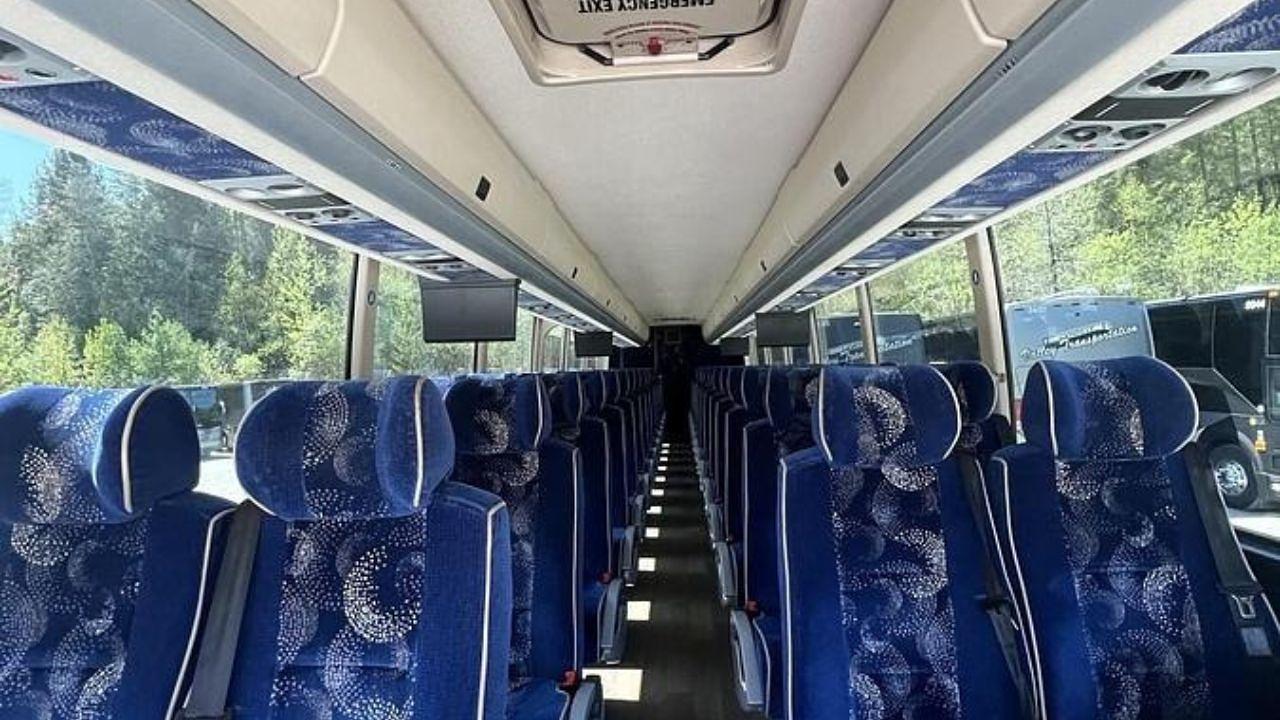
Most successful fleets don’t rely on a single type of bus or a single pricing approach. They carefully balance budget buses, mid-range units, and premium coaches to match different trip demands. This structure helps control costs while still delivering the right experience for every school field trip.
1. Lower Long-Term Charter Bus for School Trips Cost
Renting often feels cheaper at first. A few trips here and there do not seem heavy on the budget. But school contracts are repetitive, and that changes everything.
Each rental includes:
- Driver charges
- Fuel markups
- Vendor margins
- Seasonal price increases
Over time, these costs stack up quietly.
Ownership shifts the model. Instead of paying per trip, costs become predictable and structured. That predictability is what allows operators to plan profit instead of reacting to expenses.
2. Cost vs Comfort: The Core Decision Behind Every Bus
In real fleet planning, cost and comfort are always in tension.
- A yellow school bus or cutaway keeps operating costs low
- A motorcoach increases comfort but raises maintenance and fuel expenses
- Mid-range activity buses sit in between for balanced use
A charter bus for a school field trip usually sits on the higher comfort side of this scale, which is why it is often used for premium school contracts, athletics, and long-distance travel.
The key is not choosing one or the other. It is deciding when each makes sense.
3. Full Control Over Fleet Deployment
Availability is one of the biggest limitations in rental-based operations.
During peak school season, buses are often:
- Already booked
- Overpriced
- Or unavailable on short notice
Ownership removes that uncertainty.
You decide:
- Which bus runs which route
- Which trips get premium coaches
- How often each unit operates
That control directly impacts reliability and customer trust.
4. Better Brand Positioning Through Bus Type Selection
Fleet composition affects perception more than most operators realize. A modern coach arriving for a school trip communicates professionalism. A worn or inconsistent unit does not.
This is why many operators intentionally assign:
- Premium coaches for visible school field trips
- Budget buses for less visible daily transport
- Older units for cost-heavy routes
Brand image is not built in marketing alone. It is built every time a bus shows up.
5. Used Buses Are the Backbone of Budget Strategy
This is where most fleet efficiency is actually created. Used buses are not just cost-saving tools. They are strategic assets.
They allow operators to:
- Enter new routes at lower risk
- Expand fleet size without heavy capital
- Assign older units to budget-heavy trips
- Maintain profitability during slow seasons
This is especially useful for school transport, where demand is consistent but pricing pressure is high. Smart operators often reserve premium buses for school field trips while using used or older buses for routine work.
That balance protects margins without sacrificing service coverage.
6. Maintenance Costs Are Higher in Coaches but Justified by Value
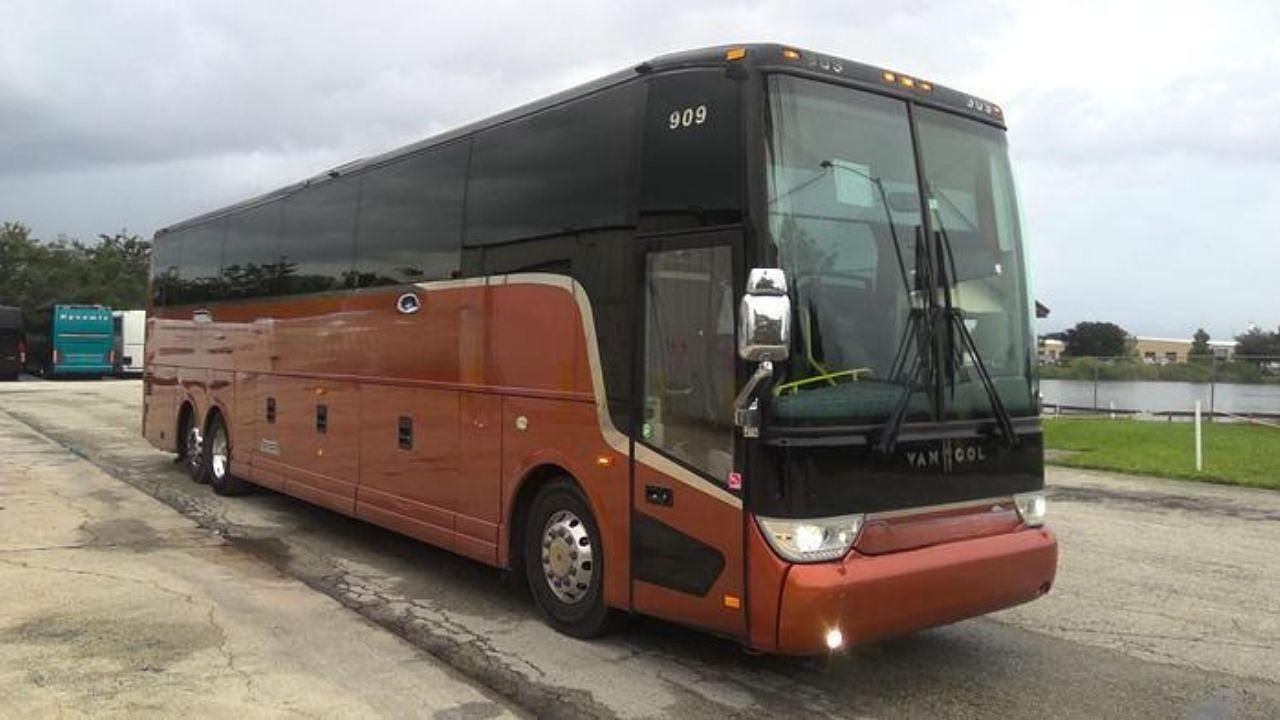
It is important to be realistic. Motorcoaches cost more to maintain than smaller buses. There is no way around it.
They require:
- More complex servicing
- Higher fuel consumption
- Specialized parts
But they also deliver:
- Better passenger comfort
- Stronger school contract wins
- Higher perceived value
This is why coaches are usually reserved for high-value trips, not everyday budget routes.
7. Flexible Financing Makes Fleet Balancing Possible
One of the biggest challenges in fleet expansion is capital timing. This is where structured support from The Bus Coach becomes important.
Operators can access:
- Flexible financing plans
- Lower upfront investment options
- Seasonal cash-flow alignment
- Faster approval for used and new units
This allows fleets to stay balanced instead of overcommitting to one type of vehicle. It also makes it easier to mix premium and budget buses in a controlled way.
8. Reduced Downtime Through Smarter Fleet Uniformity
A less obvious but powerful strategy is fleet consistency.
Operators who mix too many bus types often face:
- Complex maintenance requirements
- Different spare part inventories
- Higher operational confusion
Fleets that stay more uniform where variation is mainly based on age rather than type- tend to be easier and cheaper to maintain.
9. Predictable Cost Planning Improves Decision Making
When the fleet structure is balanced, financial planning becomes easier.
Operators can clearly separate:
- High-cost premium units (comfort-focused)
- Low-cost budget units (efficiency-focused)
This helps in pricing contracts more accurately and prevents margin leakage during peak school seasons.
10. Smarter Growth Comes from Strategic Mixing, Not Just Expansion
Fleet growth is not just about adding more buses.
It is about adding the right combination:
- Budget buses for stability
- Mid-range buses for flexibility
- Coaches for premium school field trips
This layered structure allows operators to grow without losing control of operating costs. Over time, this creates a self-sustaining system where every bus has a defined purpose.
Final Perspective: It’s Not Just About Buying a Bus
A charter bus for a school field trip is not just a transport asset. It is part of a larger fleet equation where cost and comfort must be carefully balanced.
Operators who succeed long-term are not the ones who only buy new buses. They are the ones who:
- Mix used and new strategically
- Segment fleets by purpose
- Control maintenance complexity
- And align bus type with trip value
In the end, the smartest fleets are not the most expensive ones. They are the most balanced ones. That balance often starts with one simple decision: using used buses for budget work while reserving higher-comfort coaches for the trips that truly require them.
In this industry, growth does not come from having more buses. It comes from having the right buses doing the right work at the right cost.
For operators ready to explore smarter fleet building, explore available bus inventory and fleet solutions at The Bus Coach today!