
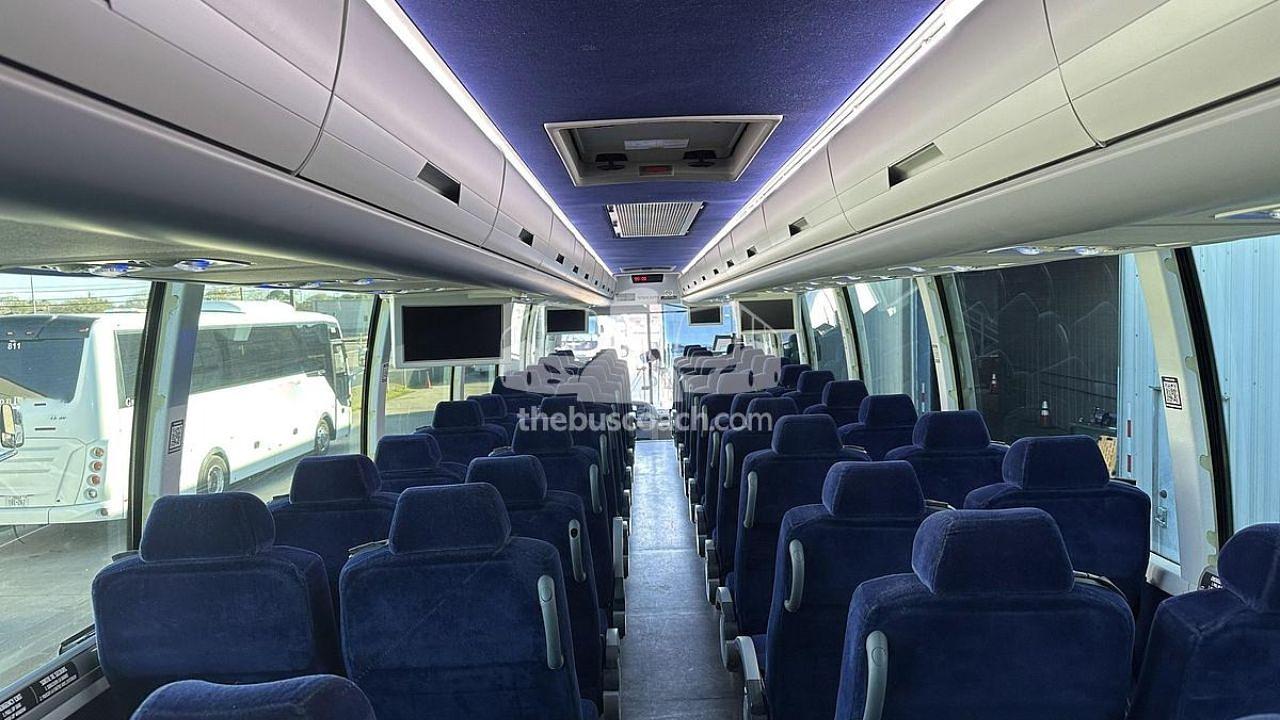
A coach bus bathroom sounds like a simple comfort feature at first glance, but in real fleet operations, it behaves more like a system inside the bus that quietly affects maintenance, scheduling, passenger experience, and even profitability.
On paper, it looks easy. Add a restroom, improve comfort, and increase booking potential. But once real trips begin, the reality becomes more practical. Cleaning becomes routine, service windows become tighter, and small issues like odor control or tank limits start influencing daily operations.
This is not about avoiding the feature. It is about understanding it the way an operator does, not just a buyer.
For fleet owners comparing real inventory and long-term support options, platforms like The Bus Coach help evaluate coaches based on real-world use, not just spec sheets.
Coach Bus Bathroom: The Question Every Buyer Asks Too Late
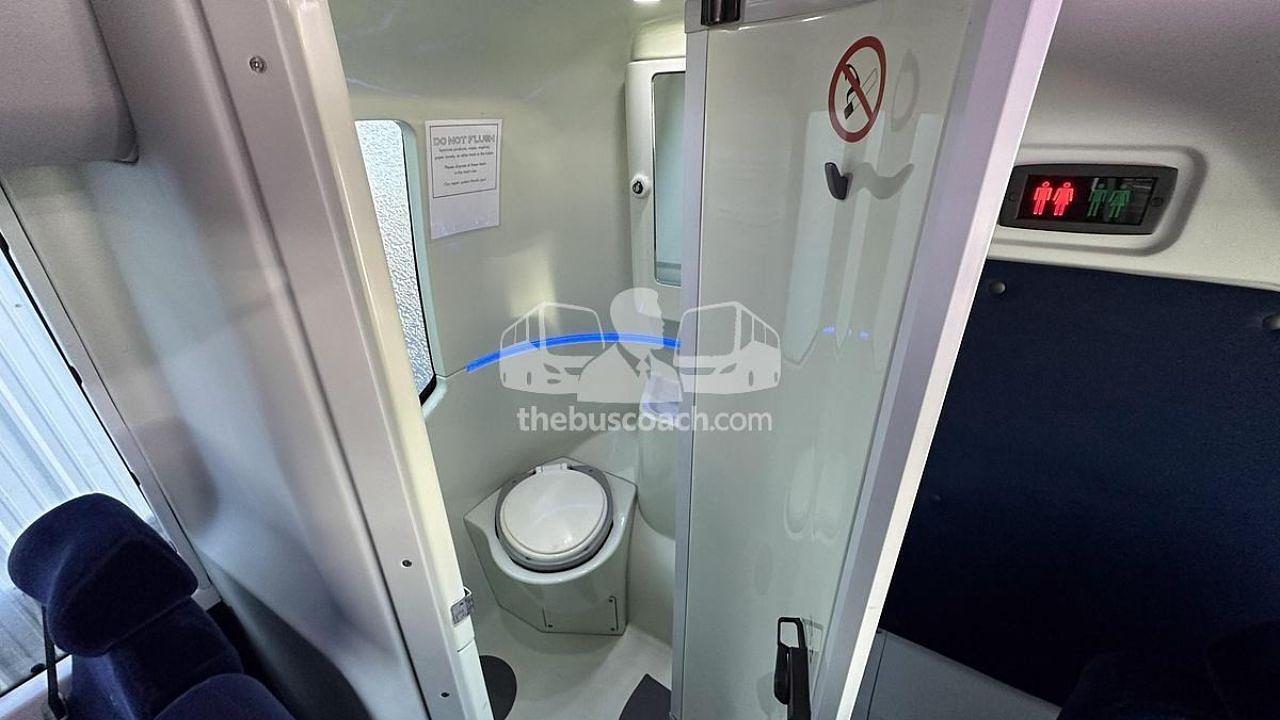
Most buyers start with the same question.
Do I actually need a coach bus bathroom in my fleet?
The answer depends on how the bus will be used, not just what looks better on paper.
Short shuttle runs and airport transfers usually don’t need it. Passengers are on board briefly, and stops are manageable. But for long-distance charters, tours, and corporate travel, a restroom becomes part of the expected experience.
Passengers don’t just notice comfort. They remember it. More importantly, they talk about it later.
But here is where things get overlooked. The real decision is not just about having a bathroom. It is about how that system behaves in daily operations.
1. Flushing vs Non-Flushing Systems Change the Entire Experience
One of the most important but least discussed differences in a coach bus bathroom is the system type itself.
Most buyers only see “restroom included” in listings. Operators see something much more detailed.
Flushing Lavatory Systems
These are commonly found in premium motorcoaches, including models from Van Hool, Setra, and Temsa.
They provide:
- A water-based flushing experience
- A more familiar and comfortable feel for passengers
- Strong appeal for luxury charter services
But they also require:
- More water usage and refilling
- Higher maintenance attention
- More frequent system checks
Flushing systems feel premium, especially for tour operators who focus on comfort-driven travel. But they also demand discipline in upkeep.
Non-Flushing Vacuum Systems
These are widely used in North American fleets, especially in Prevost and MCI coaches. They rely on vacuum suction instead of water. Flushing options are available.
Operators prefer them because they offer:
- Simpler mechanical design
- Lower maintenance complexity
- Strong reliability on long-distance routes
- Less dependency on the water supply
They may feel less “luxury,” but in real fleet conditions, they often deliver fewer surprises. In this industry, fewer surprises usually means better margins.
2. Holding Tank Capacity Quietly Controls Your Entire Schedule
This is one of those details buyers rarely think about during purchase but notice quickly after operations begin.
A coach bus bathroom is only as useful as its holding system. Some coaches come with larger or auxiliary tanks designed for extended use. Others have smaller systems that require more frequent servicing.
This difference directly affects how your fleet runs.
With larger tanks, operators can:
- Complete multi-day trips without interruption
- Avoid unnecessary service stops
- Run tighter schedules with confidence
- Reduce downtime between charters
With smaller systems, planning becomes more restrictive, especially during peak season when timing matters most.
This is why experienced fleet managers don’t stop at asking whether a restroom exists. They ask how long the system can operate before servicing is required. That one question often separates smooth operations from constant adjustments.
3. Coach Bus Bathroom Maintenance is Not Optional, It is Routine Life
This is where many first-time operators get surprised.
Coach bus bathroom maintenance is not something occasional. It becomes part of your daily operating rhythm, just like fueling or tire checks. The system is sensitive to neglect, and small issues grow quickly when ignored.
Common real-world problems include:
- Odor buildup after missed cleaning cycles
- Pressure system issues during long trips
- Slow leaks that worsen over time
- Passenger complaints that escalate faster than expected
Good operators build habits that prevent these issues early.
Typical maintenance routines include:
- Full tank inspection after long routes
- End-of-day cleaning instead of quick wipes
- Use of enzyme-based treatment chemicals to safely break down waste
- Avoidance of harsh chemicals that damage seals and vacuum systems
- Regular checks of valves, seals, and airflow components
The goal is not just cleanliness, it is consistency.
One experienced driver once described it simply. When the system is maintained well, nobody notices it. When it is not, it becomes the only thing passengers talk about.
That alone explains its importance in fleet reputation.
4. Not Every Bus Needs a Bathroom (And That Can Actually Help Your Business)
Many fleet owners assume every coach should be fully equipped. But in practice, that is not always the smartest approach. Adding a coach bus bathroom where it is not needed can reduce efficiency.
For example:
- Short airport shuttle routes rarely use it
- Urban commuter services don’t benefit from it
- High-frequency routes prioritize seating capacity over amenities
In these cases, the restroom becomes unused space that still requires cleaning, inspection, and maintenance. However, for long-distance tours and charter services, the same feature becomes essential.
This is why fleet planning is more about segmentation than standardization. Different routes require different configurations.
When reviewing real inventory on The Bus Coach website, operators can see this clearly. Some buses are designed for maximum seating efficiency. Others are built for comfort and long-haul travel.
Choosing correctly here has a direct impact on operational efficiency.
5. The Real Decision is About Fleet Strategy, Not Just Features
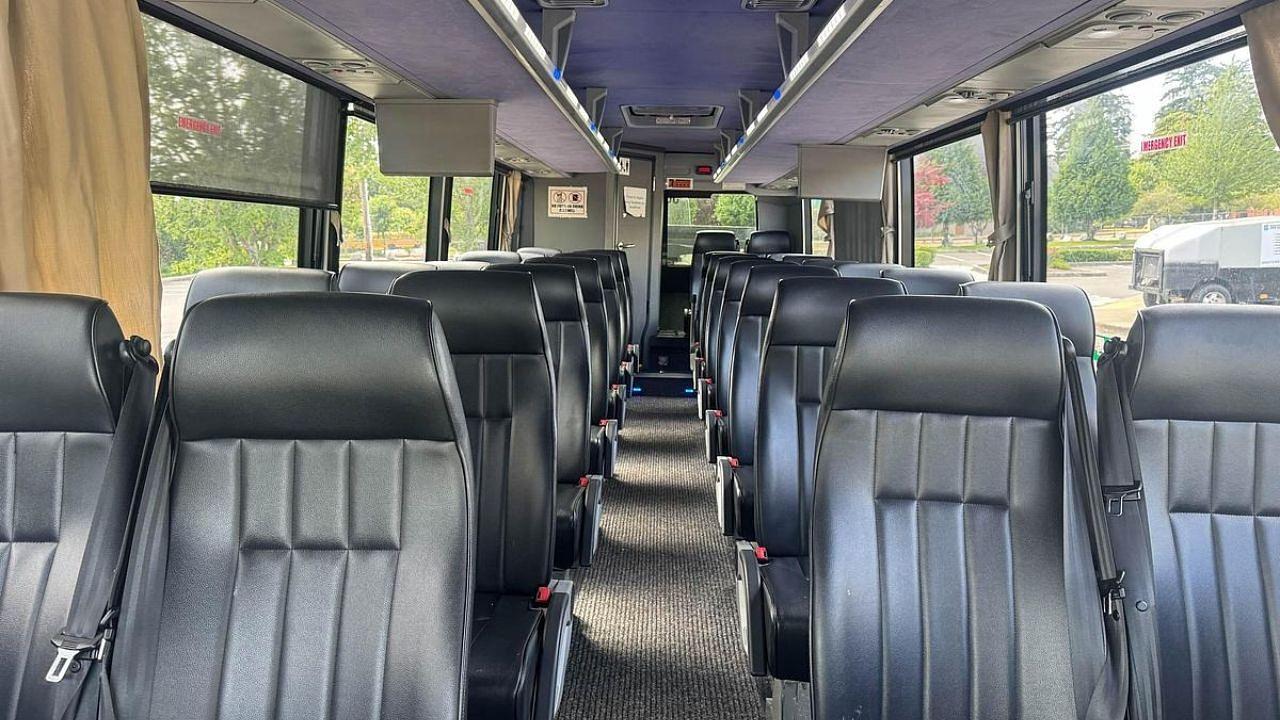
Most buyers focus only on having a bathroom as a feature, instead of thinking about how it will affect long-term operations like maintenance, scheduling, and cost.
A coach bus bathroom influences much more than comfort. It affects:
- Maintenance workload
- Passenger satisfaction
- Scheduling flexibility
- Resale value
- Financing decisions
This is why the decision cannot be isolated from business planning.
A restroom-equipped coach may increase upfront cost, but it may also open doors to higher-value contracts and better-paying routes. The key question is not whether the feature is good or bad, but whether it supports your business model.
At The Bus Coach, buyers are guided through this kind of decision-making. Not just choosing a bus, but choosing a configuration that fits long-term operational needs, financing structure, and growth plans.
That includes:
- Flexible financing aligned with seasonal revenue cycles
- Guidance on fleet expansion strategy
- Matching bus types to route requirements
- Understanding long-term ownership cost
A bus is not just a purchase. It is a working asset that needs to fit into a larger system.
How Experienced Fleet Owners Think Before Buying
Operators who grow steadily rarely make emotional decisions about features. Instead, they think practically.
They ask:
- Will this improve my route efficiency
- Can my team maintain it consistently
- Does it match customer expectations
- Will it help me grow revenue or create extra work
These questions matter far more than specifications alone. In real fleet operations, success often depends on small operational decisions rather than big features.
Flushing Systems, Maintenance Reality, and Fleet Balance
The modern motorcoach industry has moved beyond simple feature comparisons. The real conversation is about system behavior in daily use.
Flushing systems offer comfort but require more care.
Non-flushing systems offer simplicity but stronger reliability.
Larger tanks offer flexibility but affect design trade-offs.
There is no universal “best” option. Only the right option for your routes and your operation. That is why experienced operators focus on real-world behavior instead of assumptions.
Final Thought
A coach bus bathroom is not just a comfort feature. It is a working system that affects maintenance, scheduling, passenger experience, and long-term profitability.
The biggest mistake is not choosing the wrong type of system. It is failing to understand how it behaves in daily operations once the bus is on the road.
Once a coach enters service, every small operational detail starts to matter more than it did during the purchase decision. In the end, strong fleets are not built on features. They are built on decisions that still hold up after thousands of miles, real passengers, and real business pressure on the road.