
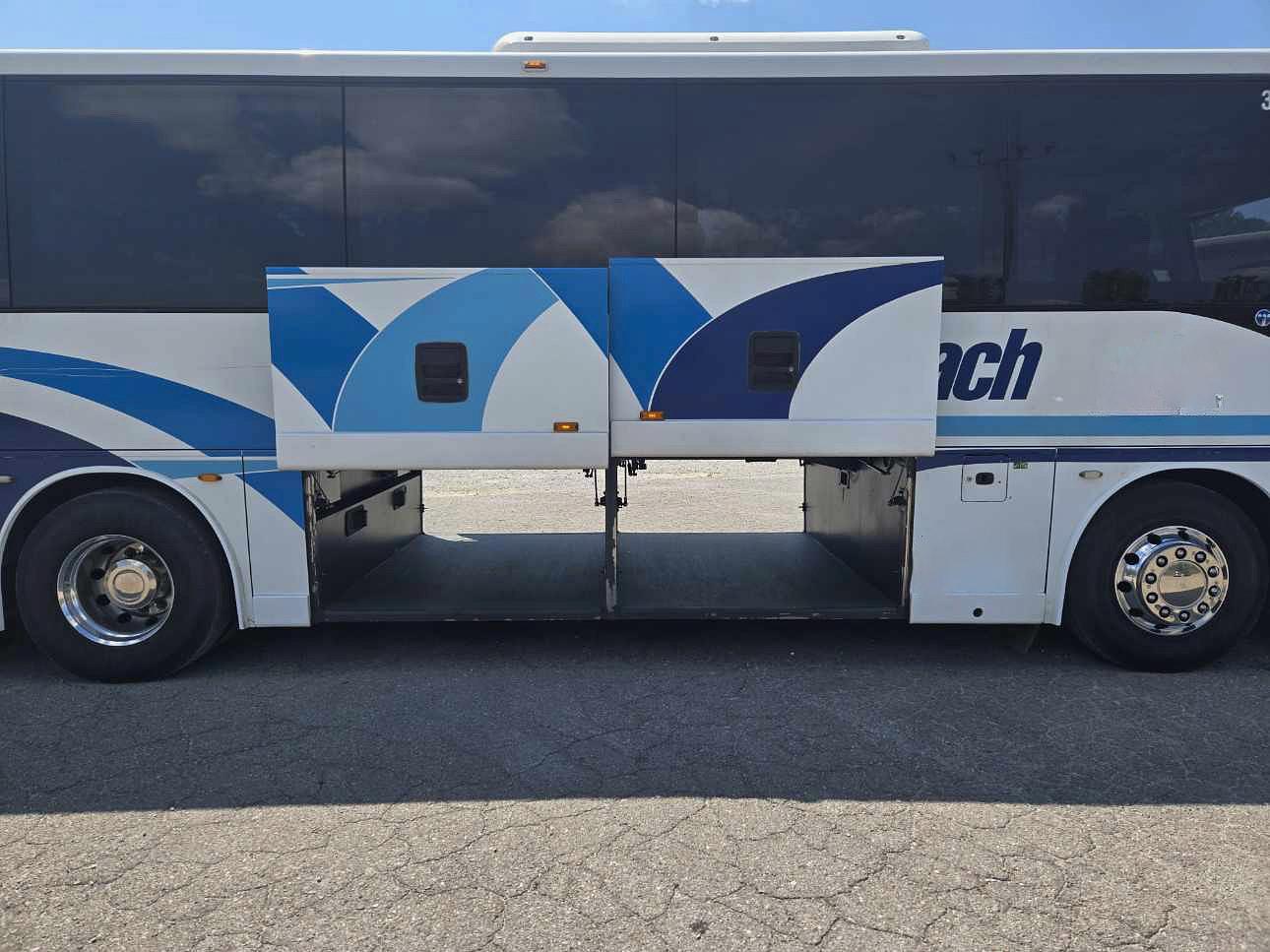
A growing transportation company can lose thousands each month from fuel waste, missed maintenance, and poor dispatching without even noticing it. That is why a smart Bus Fleet Management System is no longer optional for charter operators, shuttle fleets, and coach companies across the US. The right tools help reduce downtime, improve scheduling, protect vehicles, and increase profits.
If you run a motorcoach or shuttle business, you already know the pressure. Customers expect clean coaches, safe rides, and on-time arrivals. At the same time, your team manages maintenance, compliance, driver schedules, financing, and rising costs. One unexpected breakdown can disrupt your entire week.
That is why many operators trust The Bus Coach for fleet guidance, vehicle sourcing, repairs, financing, and long-term support.
Why Fleet Operators Are Investing in Smarter Systems
Many smaller operators still rely on spreadsheets, handwritten notes, or basic GPS apps. That setup may work for a small fleet. But growth quickly exposes the gaps.
But once your business starts growing, the cracks show quickly.
A delayed coach. A missed inspection. A dispatch error during peak season. Suddenly your staff is putting out fires all day.
Most operators eventually ask the same questions:
- Why are maintenance costs rising every quarter?
- Why do coaches seem unavailable during busy weekends?
- Why are fuel expenses so unpredictable?
- Is downtime hurting customer retention?
Those are warning signs that your systems need upgrading.
A modern Bus Fleet Management System helps you spot problems early instead of reacting after money is already lost.
What Makes a Good Bus Fleet Management System?
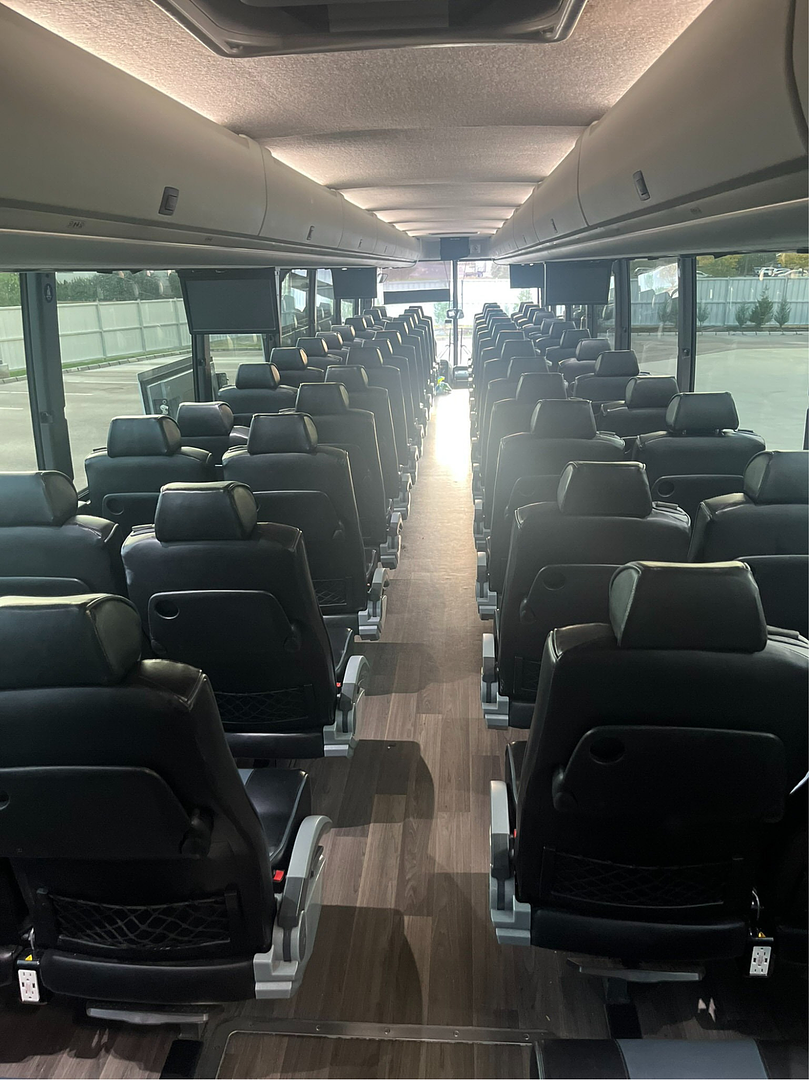
The best systems do much more than vehicle tracking. They help transportation companies make smarter daily decisions that improve reliability and profitability.
A strong system helps fleets:
- Reduce fuel waste
- Improve route planning
- Prevent expensive repairs
- Monitor driver performance
- Track compliance records
- Increase fleet uptime
- Improve dispatch communication
- Extend vehicle lifespan
And honestly, those improvements matter more than flashy technology.
Anytime your coach is sitting in the repair shop during charter season is lost revenue. A late airport shuttle can damage contracts fast. Reliable operations protect both profits and reputation.
That is one reason many growing operators work closely with The Bus Coach. Having one trusted source for coaches, repairs, body work, financing, and fleet support removes a lot of operational stress.
1. GPS Tracking Tools That Improve Real-Time Dispatching
Most fleets already use some form of GPS. But advanced tracking systems do much more than show dots on a map.
Modern tracking platforms help dispatchers:
- Monitor delays instantly
- Reroute around traffic
- Reduce unnecessary idle time
- Improve arrival accuracy
- Handle last-minute trip changes
This becomes critical during busy charter weekends or airport shuttle rush hours.
A small delay can quickly create larger scheduling problems across multiple trips. Better visibility allows dispatchers to react faster before customers even notice an issue.
2. Predictive Maintenance Platforms
Preventive maintenance saves money. Predictive maintenance saves even more.
These systems track engine health, brake wear, mileage intervals, battery performance, and fault codes before major breakdowns happen.
That shift changes how fleets operate.
Instead of waiting for a coach to fail during service, operators can schedule repairs early and reduce downtime significantly.
Many operators using maintenance support through The Bus Coach combine predictive tools with professional repair planning to keep vehicles on the road longer.
During peak travel season, uptime matters more than almost anything else.
3. Fuel Management Software
Fuel is one of the largest operating costs for any coach company.
The problem is that many operators do not track fuel behavior closely enough.
Smart fuel management systems monitor:
- Idle time
- Fuel efficiency
- Driver habits
- Route performance
- Fuel theft risks
- Engine efficiency trends
Even small changes improve profitability.
One extra hour of unnecessary idling every day across multiple coaches quietly drains thousands of dollars each year. Most fleets do not realize how much fuel waste exists until they finally measure it properly.
4. Driver Performance Monitoring Tools
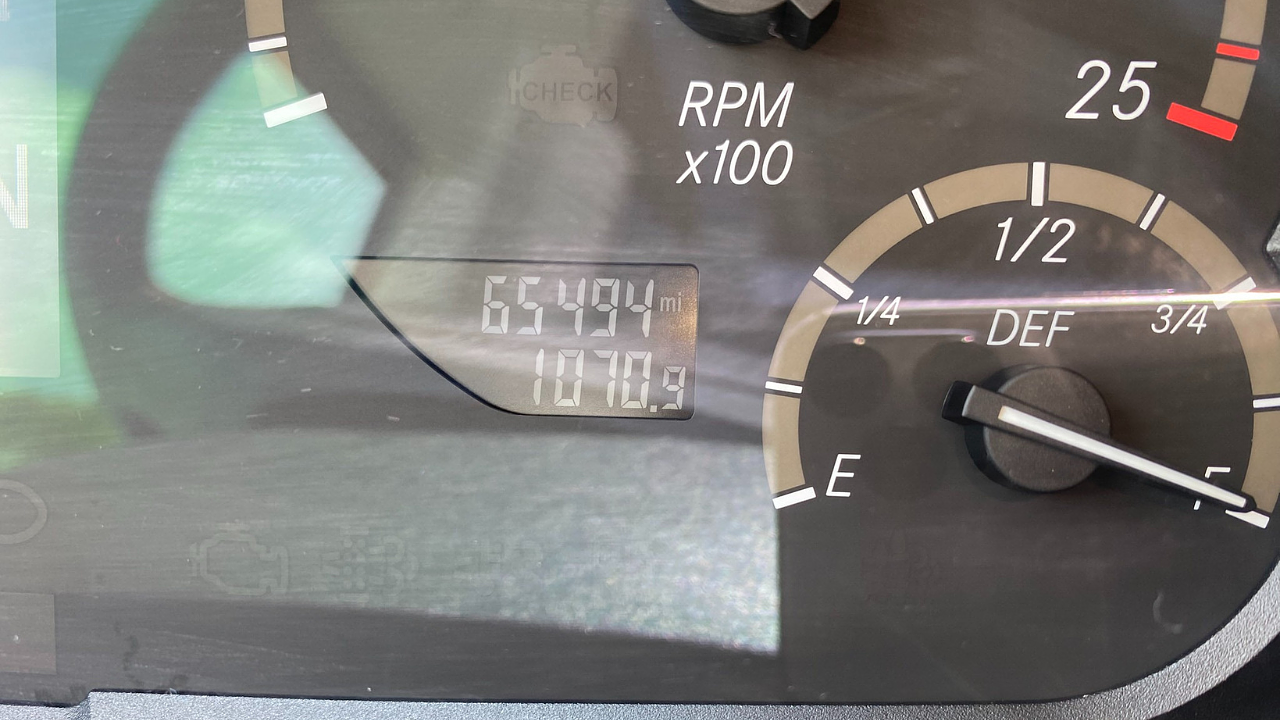
Drivers shape customer experience every single day.
A strong monitoring system tracks:
- Speeding
- Harsh braking
- Rapid acceleration
- Route adherence
- Safety trends
This is not about punishing drivers. The best companies use these insights for coaching and safety improvement.
Safer driving lowers maintenance costs, reduces accident risks, improves fuel economy, and protects your brand image.
Insurance providers also look closely at fleet safety performance now. Cleaner driving records can help reduce long-term insurance pressure.
5. Route Optimization Software
Poor route planning quietly destroys profit margins.
A few unnecessary miles here and there may not seem important. But across dozens of weekly trips, those extra miles become expensive fast.
Smart routing systems help fleets:
- Reduce fuel use
- Avoid traffic congestion
- Improve scheduling accuracy
- Reduce empty miles
- Increase driver efficiency
This becomes especially valuable for charter operators managing multiple pickups across several cities.
For growing fleets, route optimization prevents dispatch chaos before it becomes a serious operational problem.
6. Maintenance Scheduling Dashboards
Many fleets still rely on manual reminders for inspections and service intervals. That approach usually leads to missed maintenance windows.
Digital maintenance dashboards help operators track:
- Oil changes
- Brake inspections
- Tire replacements
- DOT inspections
- Warranty schedules
- Service history
This creates a cleaner maintenance workflow and reduces unexpected breakdowns.
Operations managers especially appreciate having all service records stored in one place instead of digging through paper files during inspections.
7. Fleet Financing and Cost Analysis Tools
A profitable fleet is not always the busiest fleet.
Smart operators carefully track vehicle profitability and ownership costs.
Financial tracking tools monitor:
- Monthly vehicle payments
- Maintenance costs
- Fuel spending
- Revenue by coach
- Utilization rates
- Total operating costs
These insights help owners answer difficult questions honestly.
“Should we repair this older coach again?”
“Can we afford another vehicle this year?”
“Is this coach still profitable?”
Sometimes replacing an aging bus lowers costs more than continuing repairs. Operators exploring inventory through The Bus Coach Coach Inventory often realize newer vehicles improve reliability, fuel efficiency, and customer satisfaction at the same time.
8. Compliance Management Systems
DOT compliance can overwhelm smaller transportation companies.
Inspection records, maintenance logs, driver files, and safety reporting all require constant attention.
Digital compliance tools help fleets:
- Organize inspection records
- Track service documentation
- Monitor compliance deadlines
- Prepare for audits faster
- Reduce paperwork mistakes
That organization becomes extremely valuable during busy operating seasons when managers already have too much on their plate.
9. Mobile Communication Apps for Drivers
Constant phone calls between dispatchers and drivers slow everything down.
Modern fleet apps simplify communication by giving drivers access to:
- Route updates
- Trip schedules
- Passenger notes
- Maintenance alerts
- Incident reporting
Real-time dispatcher communication
This creates smoother daily operations and fewer misunderstandings.
Drivers spend less time waiting for updates. Dispatchers spend less time chasing information. Customers experience fewer delays.
Simple improvements like this often make a bigger operational difference than expensive hardware upgrades.
10. Fleet Lifecycle Planning Tools
Smart operators think beyond this month’s schedule.
Fleet lifecycle planning tools help companies monitor:
- Depreciation
- Mileage trends
- Repair frequency
- Vehicle resale timing
- Replacement forecasting
This helps operators avoid running coaches too long before replacement.
For smaller companies especially, standard 56-passenger coaches usually offer better flexibility and stronger resale value than unusual fleet configurations. Larger companies may afford specialized coaches. But growing fleets usually benefit from keeping operations simple and standardized.
Many operators split their fleets into premium charter coaches and lower-cost buses for athletic trips, line-run service, or school transportation.
A more uniform fleet lowers training costs, simplifies maintenance, and improves efficiency over time.
Common Bus Fleet Management System Mistakes
Even strong systems fail when companies use them poorly.
Here are common mistakes operators make.
Choosing Cheap Software That Cannot Scale
Basic tools may work for a very small fleet. But growing companies need systems that can handle expansion without creating operational confusion later.
Ignoring Driver Feedback
Drivers often notice recurring problems before management does.
If multiple drivers complain about the same route delays, maintenance issue, or dispatch bottleneck, pay attention early.
Delaying Vehicle Replacement Too Long
Many operators hold onto aging coaches because they want to avoid monthly payments. But excessive repair downtime often becomes more expensive long term.
Operators browsing inventory through The Bus Coach Coach Inventory frequently discover that newer coaches improve reliability enough to offset financing costs over time.
Treating Technology Like a Complete Solution
Software helps. But operational support matters just as much.
That is why experienced operators often prefer working with companies like The Bus Coach that provide fleet guidance, repairs, financing, maintenance, and vehicle sourcing together under one roof.
The right Bus Fleet Management System does more than organize operations. It helps your fleet stay reliable, profitable, and ready for long-term growth.
FAQs
1. Is a Bus Fleet Management System Worth It?
For most transportation companies, yes.
But the biggest gains happen when operators consistently use the data to improve decisions.
The strongest returns usually come from:
- Lower fuel costs
- Reduced downtime
- Better maintenance planning
- Improved dispatch efficiency
- Longer vehicle lifespan
- Higher customer satisfaction
Most fleet owners are surprised by how much money disappears through small operational inefficiencies every month.
And that is really the bigger picture.
A smart Bus Fleet Management System is not just about tracking buses. It helps transportation companies run calmer, cleaner, and more profitable operations while giving customers the reliability they expect every time they step onto a coach.
2. What is a Bus Fleet Management System?
A Bus Fleet Management System is software that helps transportation companies manage daily operations from one platform. It can track vehicles, schedule maintenance, monitor drivers, manage fuel use, handle dispatching, and store compliance records. The goal is simple. Improve efficiency and reduce unnecessary costs.
3. Is a Bus Fleet Management System worth it for small fleets?
Yes. Small fleets benefit from better maintenance planning, fuel tracking, and route optimization. Many operators lose money from avoidable downtime and inefficient operations without realizing it.
4. Can older coaches use modern fleet management software?
In many cases, yes. Most systems work with older coaches through GPS devices, telematics hardware, and mobile apps. However, compatibility depends on the coach’s existing technology setup.
5. How much can fleet management software reduce operating costs?
Savings depend on fleet size and operations. But many companies lower fuel costs, reduce downtime, and cut maintenance expenses after using smarter fleet systems. Predictive maintenance can also help prevent costly emergency repairs.
6. What features matter most in a Common Bus Fleet Management System?
The most important features usually include:
- GPS tracking
- Predictive maintenance alerts
- Fuel monitoring
- Driver performance tracking
- Route optimization
- Compliance management
- Dispatch communication tools
The right combination depends on your fleet size and business type.
7. Should growing operators buy newer coaches or continue repairing older ones?
That depends on repair frequency, downtime costs, and long-term operating expenses. Many operators eventually find that replacing unreliable vehicles improves profitability through lower maintenance costs and better fuel efficiency. Exploring newer inventory through The Bus Coach Coach Inventory can help operators compare replacement options more realistically.