
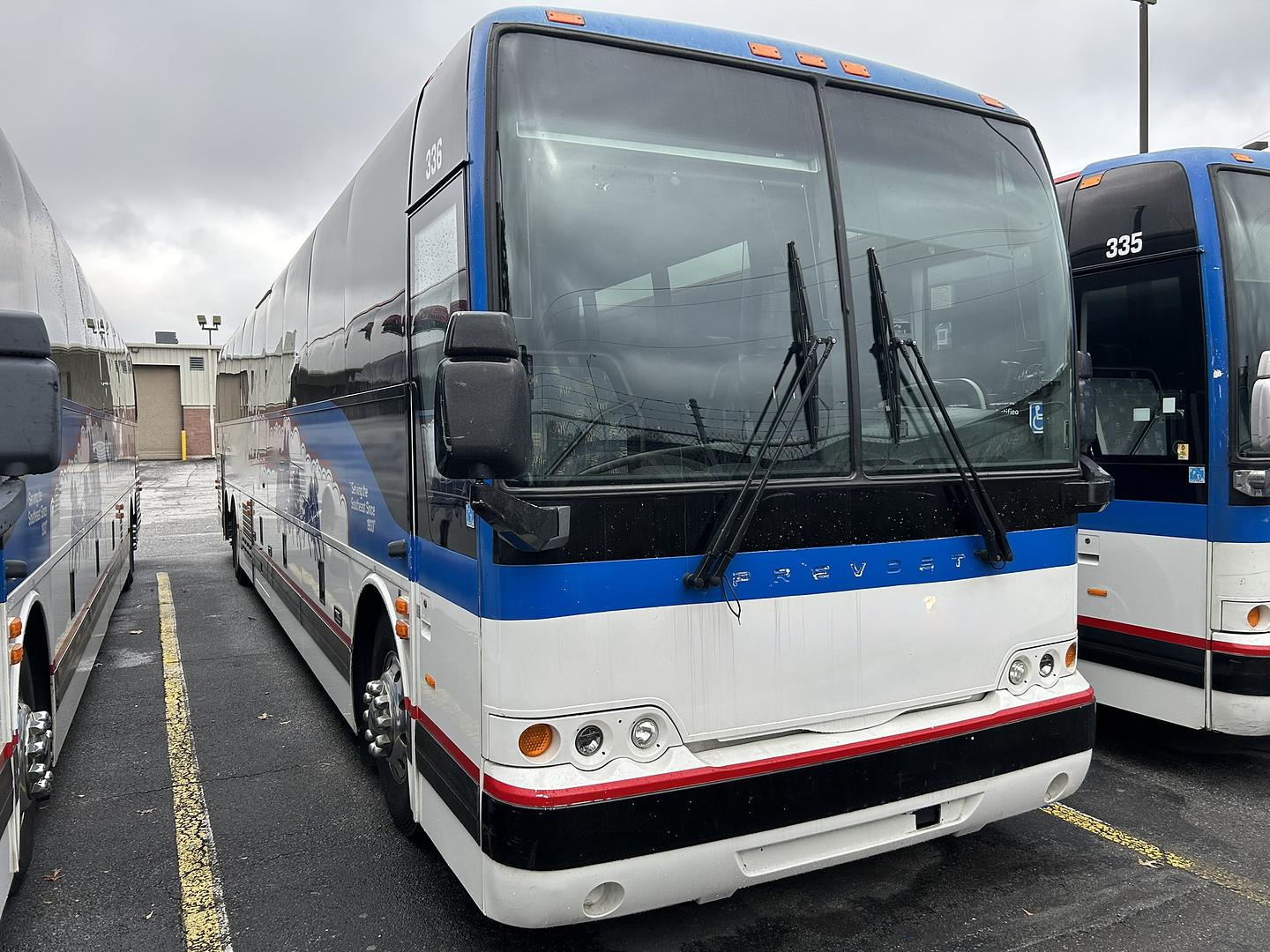
Bus maintenance costs can quietly destroy profits when small problems turn into expensive fixes. Many fleet operators lose thousands each year from poor maintenance habits, delayed repairs, and poor planning.
If you run a charter, shuttle, or coach business, you already know the pressure. One canceled trip can upset customers and hurt your reputation fast. Fuel prices rise. Parts cost more. Drivers need reliable equipment every single day.
That is why smart operators focus on prevention, not panic repairs.
Many growing fleets now work with trusted partners like The Bus Coach for fleet support, repairs, financing help, vehicle sourcing, and long-term maintenance planning. Having one experienced partner often saves more money than operators expect.
Many companies also upgrade older buses with premium coaches from Executive Coaches by The Bus Coach when repair costs start climbing too high.
Why Bus Maintenance Costs Keep Rising
Most operators do not lose money from one huge repair. They lose it slowly.
A missed oil service here. A delayed brake job there. Tires wearing unevenly for months. Soon, the fleet becomes harder to manage.
The real problem is downtime.
When a coach sits in the shop, revenue stops. Drivers wait. Customers complain. Dispatchers scramble to adjust schedules. One mechanical issue can affect your entire week.
Smaller operators feel this even more. Many still track repairs using spreadsheets or handwritten notes. That works for two or three buses. It becomes risky once the fleet grows.
The bus maintenance cost in the US has also increased because modern coaches now use more advanced systems. DEF components, emissions systems, HVAC controls, sensors, and electronics all require trained technicians.
That is why experienced service support matters more today.
Mistake #1: Delaying Preventive Maintenance
This is the biggest mistake fleet owners make.
Many operators wait until something breaks before fixing it. At first, this feels cheaper. Later, it becomes expensive.
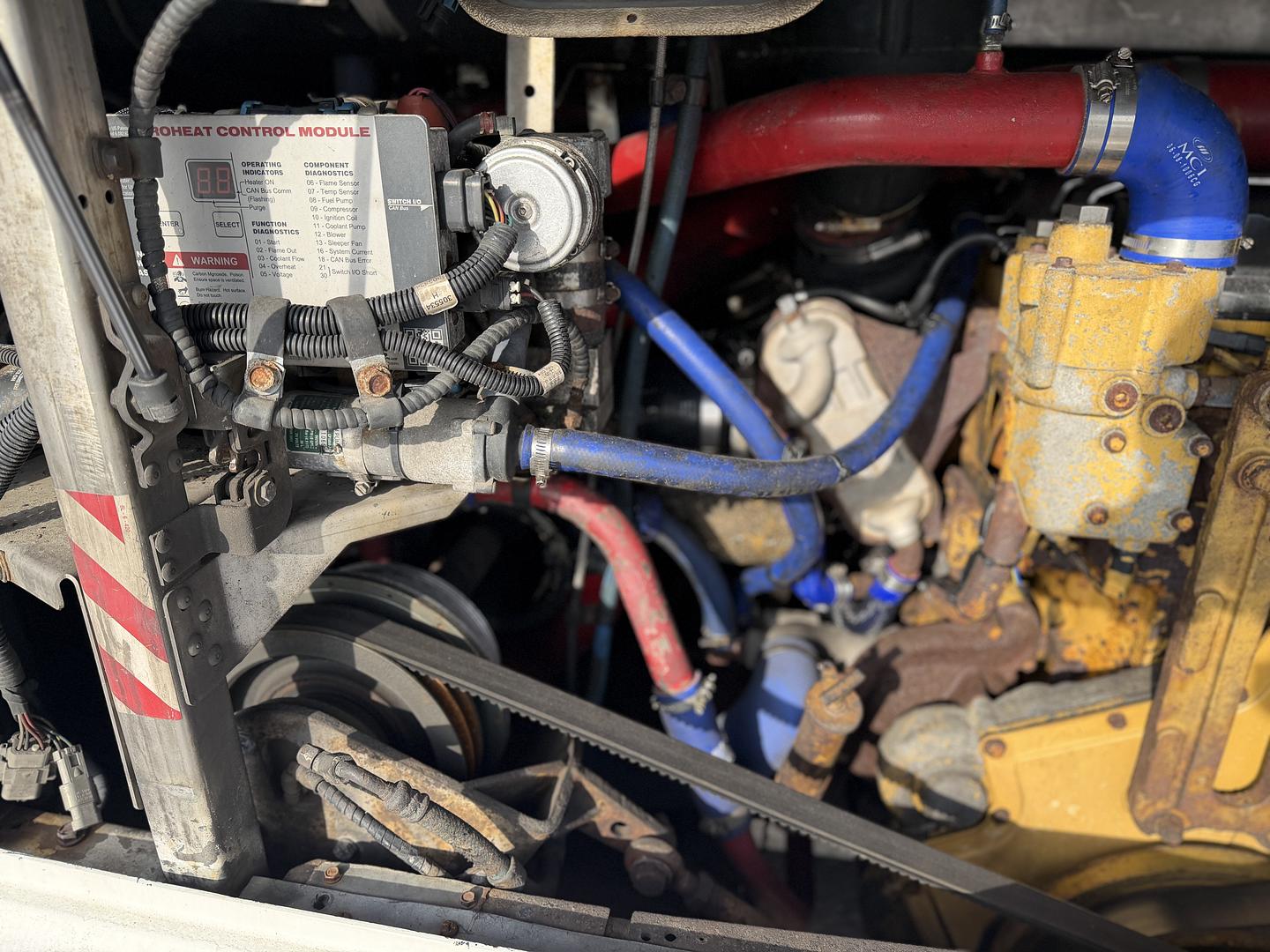
A small coolant leak may turn into engine damage. Worn brake pads can damage rotors. Poor tire alignment can destroy expensive tires months early.
Preventive maintenance helps you catch problems before they grow.
Smart fleets usually follow strict schedules for:
- Oil and filter changes
- Brake inspections
- Tire rotation and alignment
- Coolant system checks
- HVAC servicing
- Suspension inspections
- Transmission fluid checks
The best operators treat maintenance like insurance. It costs less than emergency repairs.
Mistake #2: Running Too Many Different Bus Types
Many growing fleets buy whatever bus seems cheap at the moment. Over time, the fleet becomes difficult to manage.
One bus needs different tires. Another needs different parts. Drivers must learn different controls. Technicians spend extra time diagnosing issues.
This increases training time and maintenance costs.
Smaller operators often benefit from keeping a more standard fleet. Full-size 55 or 56 passenger coaches usually offer the best flexibility. They fit most charter work and often hold stronger resale value later.
Some operators also divide fleets into:
- Premium charter coaches
- Budget trip buses
- Shuttle or line-run buses
That strategy works well when managed carefully. But too many vehicle types can create chaos fast.
Many operators now simplify operations by upgrading to newer standardized coaches from Executive Coaches by The Bus Coach because parts sourcing and maintenance become easier long term.
Mistake #3: Ignoring Driver Reporting
Drivers often notice problems first.
They hear strange noises. They feel vibration changes. They notice weak brakes or steering issues early.
But many companies do not have a proper reporting system.
Some drivers stop mentioning small issues because nobody follows up. That creates bigger repairs later.
A simple daily inspection process helps prevent this.
Encourage drivers to report:
- Brake feel changes
- Tire wear concerns
- Suspension vibration
- Warning lights
- HVAC issues
- Fuel economy changes
- Steering problems
Good communication saves money.
The best fleets create a culture where drivers and maintenance teams work together instead of blaming each other.
Mistake #4: Choosing Cheap Repairs Over Quality Repairs
Cheap repairs often become double repairs.
Some operators choose the lowest repair quote every time. That decision usually costs more later.
Poor parts fail faster. Inexperienced technicians miss root problems. Temporary fixes create repeat breakdowns.
This becomes dangerous during peak travel season.
Imagine losing a coach during a busy sports charter weekend. One rushed repair can affect several contracts at once.
That is why many operators rely on experienced partners like The Bus Coach for maintenance support, body work, parts sourcing, and long-term fleet planning.
Quality repairs protect uptime. Uptime protects profits.
Mistake #5: Neglecting Tire Management
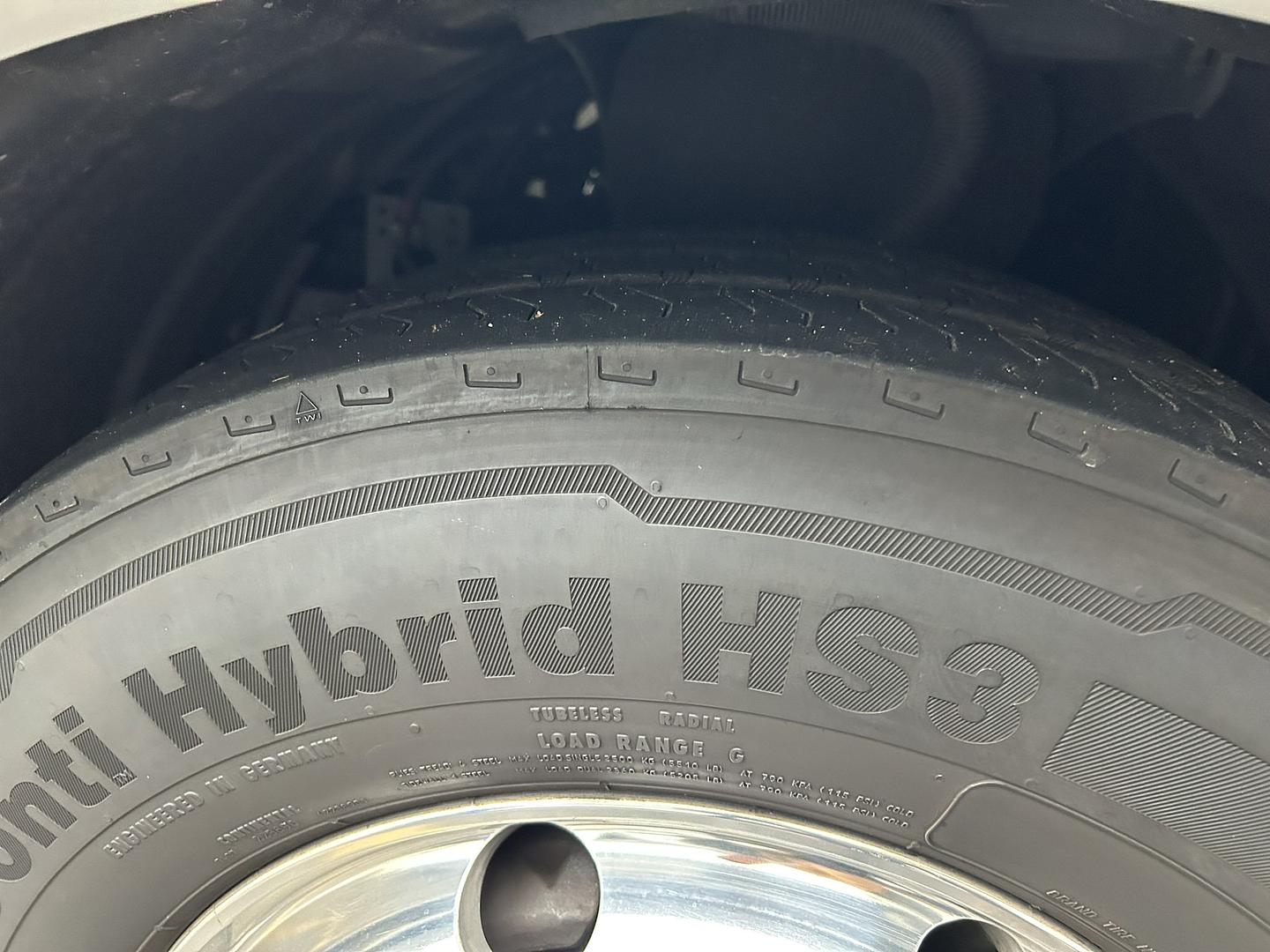
Tires quietly drain profits when ignored.
Poor alignment increases fuel use. Incorrect tire pressure wears tires faster. Uneven wear creates handling problems and safety risks.
Tires also affect ride quality more than many operators realize.
Passengers notice rough rides quickly. That matters for charter companies competing for repeat business.
Good tire management includes:
- Weekly pressure checks
- Regular alignment inspections
- Rotation scheduling
- Tread depth monitoring
- Suspension checks
Many operators lose thousands yearly from avoidable tire wear alone.
Fuel savings add up faster than expected when alignment stays correct.
Mistake #6: Waiting Too Long to Replace Aging Coaches
Some operators hold aging buses too long.
At first, keeping older equipment feels cheaper. Then repairs start piling up. Downtime increases. Parts become harder to find.
Soon, the bus spends more time in the shop than on the road.
You also risk hurting your company image.
Passengers notice worn interiors, loud engines, and unreliable air conditioning. Customers paying premium charter rates expect comfort and reliability.
This is where many operators start comparing repair costs against replacement value.
Sometimes upgrading to a newer coach from Executive Coaches by The Bus Coach makes more financial sense than continuing major repairs on aging equipment.
Newer coaches often improve:
- Fuel efficiency
- Passenger comfort
- Maintenance predictability
- Driver satisfaction
- Resale value
- Fleet reliability
The goal is not buying new buses constantly. The goal is controlling long-term operating costs.
Mistake #7: Not Planning for Seasonal Maintenance
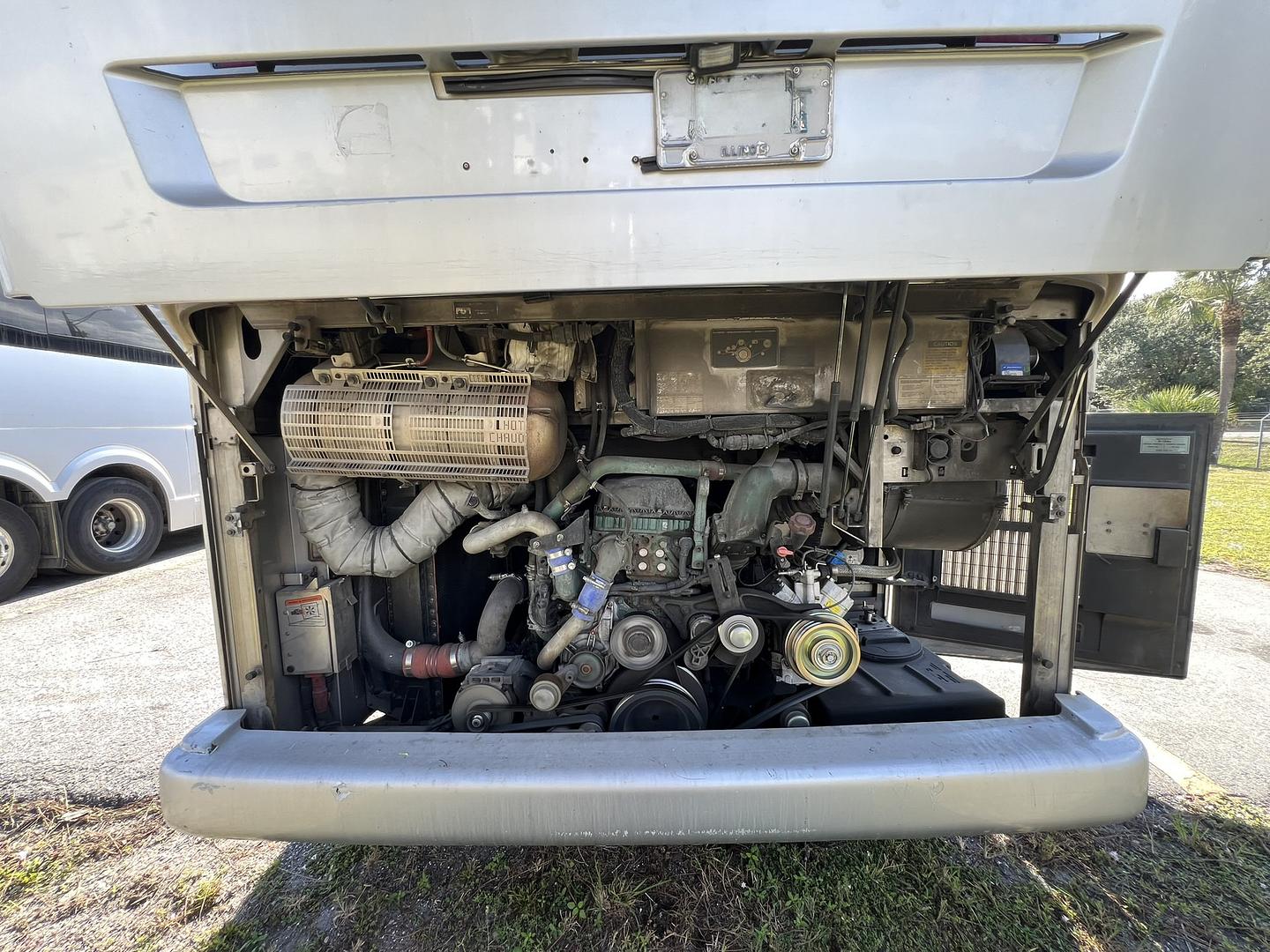
Bus companies often operate in cycles.
Spring sports travel. Summer tours. Holiday charters. Airport contracts. Busy seasons arrive fast.
Yet many operators delay maintenance until peak season starts. That creates serious problems.
The smart move is preparing early.
Schedule larger repairs during slower months whenever possible. Handle inspections before demand rises. Replace worn tires before major charter seasons begin.
Otherwise, repair delays become harder to manage because shops also get busier during peak months.
This is especially important for smaller fleets. Losing even one coach during peak season can seriously impact revenue.
That is why many operators build long-term service relationships with companies like The Bus Coach instead of searching for emergency help after breakdowns happen.
How Smart Operators Lower Bus Maintenance Costs
Successful fleet operators usually focus on consistency.
They track repairs carefully. They standardize fleets when possible. They fix small problems early. They invest in preventive care instead of emergency repairs.
Most importantly, they think long term.
Here are a few habits strong operators follow regularly:
- Keep detailed service records
- Replace parts before failure
- Train drivers properly
- Inspect coaches daily
- Build relationships with trusted service providers
- Monitor fuel efficiency closely
- Rotate older buses strategically
- Budget yearly for major repairs
The bus maintenance cost in the US continues rising each year. That means efficiency matters more than ever.
Operators who stay proactive usually protect profits better.
Is Preventive Maintenance Really Worth the Money?
Most experienced operators would say yes immediately.
Preventive maintenance may feel expensive upfront. But emergency breakdowns cost far more.
Think about the hidden costs:
- Missed charters
- Hotel costs for stranded passengers
- Emergency towing
- Driver overtime
- Refund requests
- Negative reviews
- Lost repeat business
One roadside failure can damage customer trust quickly.
That is why experienced fleet owners rarely gamble with maintenance anymore.
The Real Goal Is Fleet Stability
Every operator wants growth. But growth becomes difficult when buses constantly break down.
Reliable fleets create smoother schedules, happier drivers, and stronger customer trust. They also reduce stress for owners and operations teams.
Peace of mind matters more than many operators admit.
The companies that win long term are usually not the ones with the cheapest buses. They are the ones with the smartest maintenance habits.
So the real question becomes simple. Is your fleet helping your profits grow, or slowly draining them every month?
Final Thought
Bus problems rarely happen all at once. Small issues grow over time. Delayed repairs, poor planning, and skipped inspections slowly increase costs.
Smart operators think long term. They focus on uptime, safety, and fleet reliability.
The goal is simple. Keep buses running smoothly and profits growing steadily.
Ready to Lower Fleet Maintenance Costs?
If your fleet faces rising repair bills or aging coaches, companies like The Bus Coach and Executive Coaches by The Bus Coach can help.
They support operators with:
- Fleet maintenance planning
- Repairs and service support
- Financing guidance
- Premium coach sourcing
- Fleet upgrade strategies
The right maintenance plan does more than prevent breakdowns. It helps your business stay reliable, profitable, and ready for growth.
FAQs
1. What increases bus maintenance costs the most?
Delayed repairs, poor maintenance, tire neglect, and old equipment increase costs the fastest.
2. Is preventive maintenance really worth it for small fleets?
Yes. One breakdown can cost a small fleet major revenue. Preventive maintenance helps avoid downtime and trip delays.
3. How often should coaches be inspected?
Most operators inspect coaches daily. Preventive maintenance is usually scheduled every few thousand miles.
4. When should a fleet operator replace an older coach?
Replace the coach when repairs become frequent, downtime increases, or parts are harder to find. Continuing repairs may cost more in the long term.