
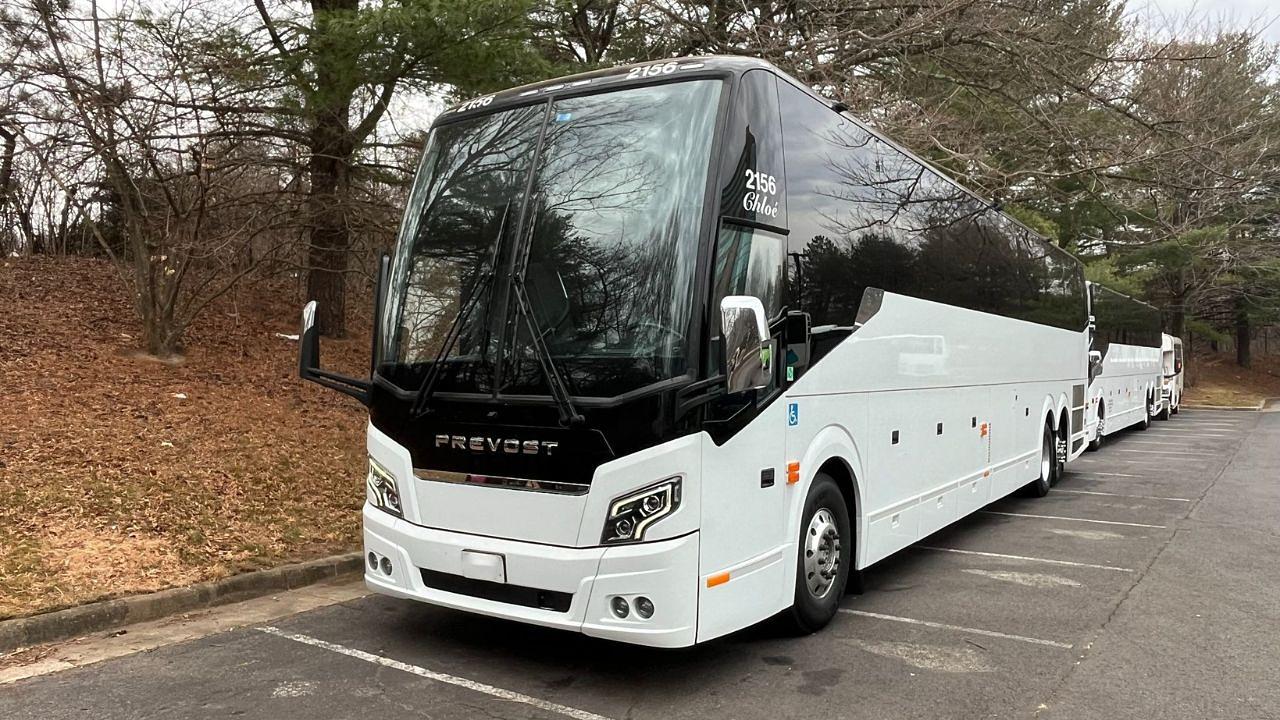
Getting clients for a transport business is less about owning more buses and more about building trust, reliability, and strong local relationships. Many new operators buy expensive coaches first and look for customers later. That usually creates cash flow problems fast.
The smarter approach is simpler.
Start with one niche. Keep your fleet reliable. Build repeat customers. Grow slowly.
Most successful charter and shuttle companies did not start with ten buses. They started with one or two reliable coaches, strong customer service, and consistent operations. Over time, referrals and repeat contracts helped them expand.
If you run a passenger transportation company, your reputation becomes your real marketing engine. One late trip or roadside breakdown can hurt months of hard work. One smooth trip can bring repeat bookings for years.
That is why experienced fleet owners focus heavily on maintenance, communication, and long-term client relationships instead of chasing quick wins.
Why Most Transport Companies Struggle to Find Clients
A lot of operators think transportation is only about buses.
It is not.
Transportation is a service business first. The buses simply deliver the service.
Many new companies struggle because they:
- Buy the wrong equipment
- Ignore local networking
- Respond slowly to quote requests
- Grow too fast
- Neglect maintenance
- Compete only on cheap pricing
Cheap pricing rarely creates loyal clients.
Reliability does.
Schools, hotels, sports teams, and corporate clients want transportation partners they can trust. They care about clean buses, safe drivers, and buses arriving on time.
That trust takes time to build.
This is why many growing operators work with The Bus Coach for fleet sourcing, maintenance support, financing guidance, and long-term fleet planning. Keeping vehicles running consistently helps protect customer relationships.
And customer relationships drive profits.
How to Get Clients for Transport Business Growth
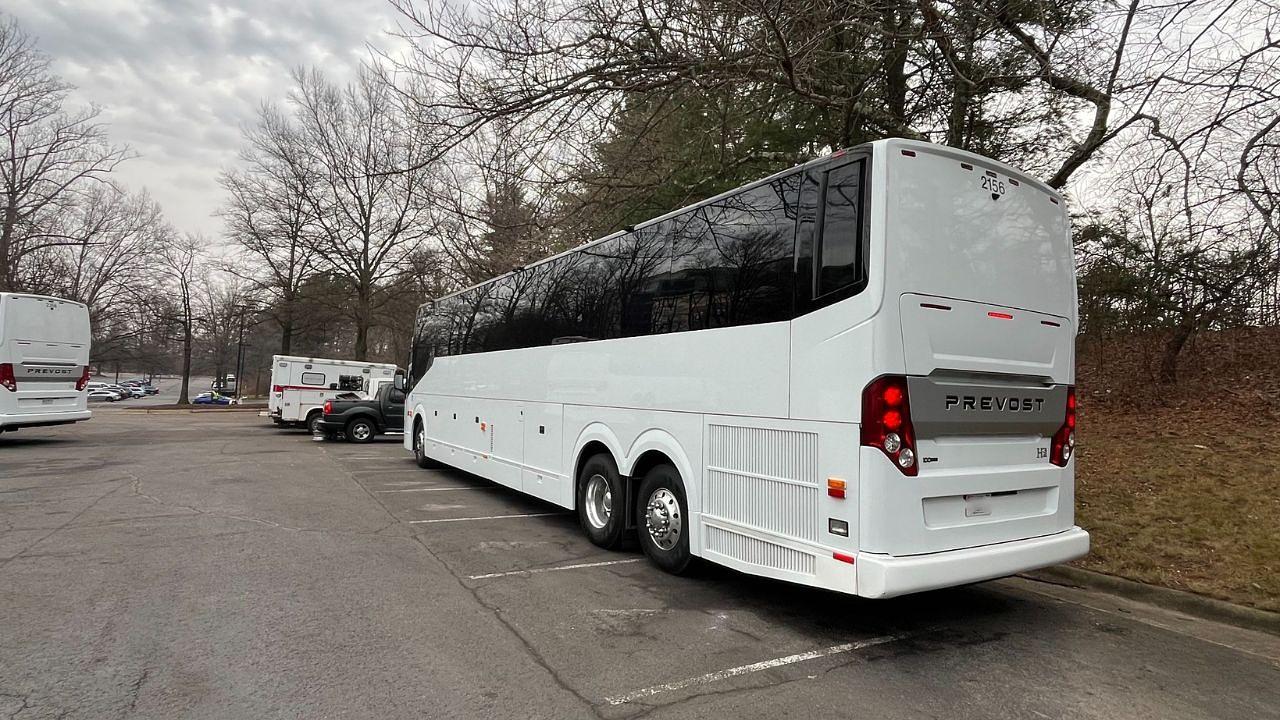
The best transportation clients usually come from relationships, not flashy advertising.
Many operators land their first contracts through:
- Local schools
- Churches
- Hotels
- Corporate offices
- Wedding planners
- Tour companies
- Airport parking operators
- Sports organizations
The transportation industry still runs heavily on referrals.
One successful trip often leads to another booking. Then another. Then referrals.
That is why communication matters so much. Clients remember companies that answer quickly, solve problems calmly, and keep trips running smoothly.
Simple things help more than most people realize:
- Return calls quickly
- Send clear quotes
- Keep buses clean
- Dress drivers professionally
- Arrive early
- Update customers during delays
Many fleet owners underestimate how important professionalism feels to customers. Especially in premium charter work.
Start With One Transportation Niche First
Trying to serve every customer immediately usually creates operational problems.
Different transportation services need different buses, pricing models, insurance requirements, and scheduling systems.
Smaller operators usually grow faster when they focus on one niche first.
Charter and Tour Services
These trips often bring higher revenue potential. Customers expect comfort, reliability, and strong presentation.
Airport Shuttle Services
These routes often provide repeat business. Hotels and parking operators value dependable schedules heavily.
School and Sports Transportation
Many operators start here because demand stays relatively stable during certain seasons.
Corporate Transportation
Business clients usually expect premium service and cleaner fleet presentation.
Experienced operators often recommend starting with standard 55 or 56-passenger coaches because they fit most charter jobs and usually hold resale value better.
Odd-sized buses sometimes create scheduling headaches later.
Your Fleet Appearance Is Part of Your Marketing
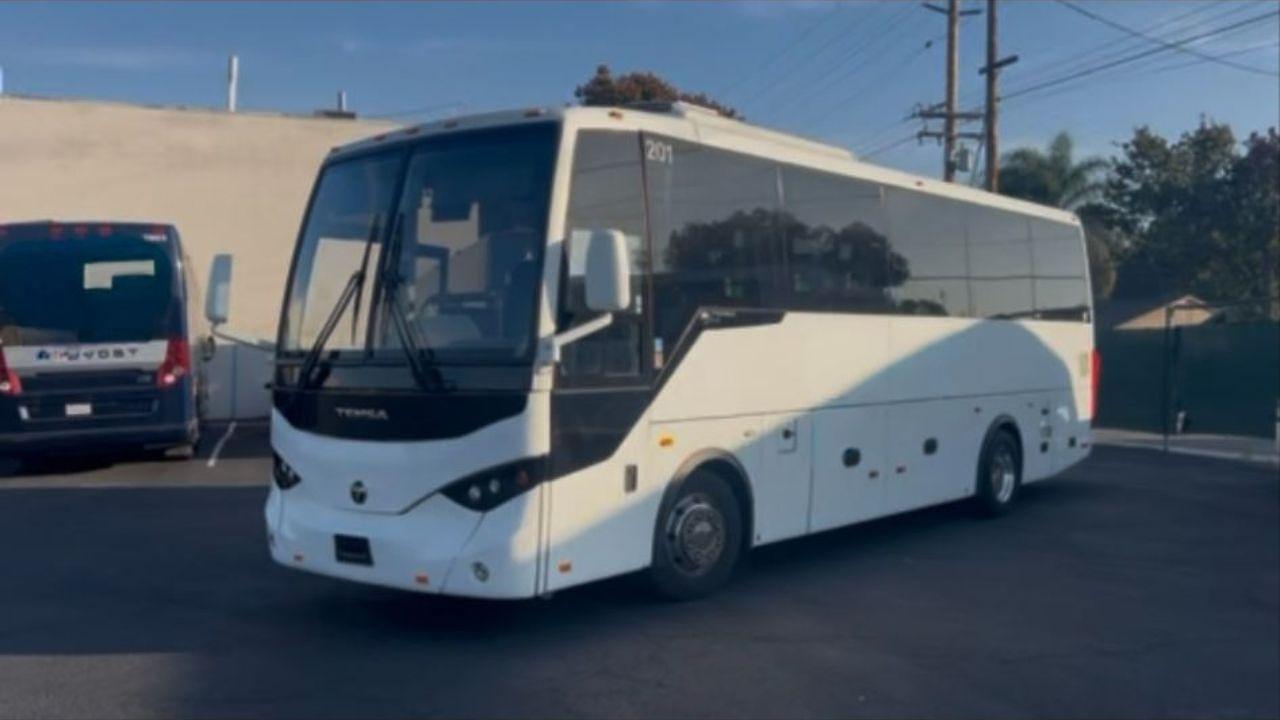
People judge transportation companies quickly.
A dirty bus creates doubt immediately. So does faded paint, poor communication, or worn interiors.
Clients often associate bus conditions with safety and professionalism.
That is why appearance matters more than many new operators expect.
Some companies separate their fleets into:
- Budget trip buses
- Premium charter coaches
That strategy works for many operators. But maintaining a more uniform fleet often lowers maintenance complexity and operating costs long-term.
This is another reason operators explore inventory and fleet solutions through The Bus Coach when upgrading older equipment or expanding service offerings.
The right coach helps support your brand image.
Local SEO Helps Small Fleets Compete
A lot of transport companies still ignore local SEO completely.
That creates opportunity for smaller operators.
When customers search:
- “charter bus near me”
- “airport shuttle company”
- “sports team transportation”
- “wedding transportation service”
Google often prioritizes strong local business profiles and reviews.
Simple improvements help significantly:
- Create a Google Business Profile
- Add real fleet photos
- Collect customer reviews
- Use local city pages on your website
- List your service areas clearly
- Post recent trip photos regularly
Many small fleets beat larger competitors online simply because they communicate better and maintain stronger local visibility.
Reliability Wins More Clients Than Cheap Pricing
This is where experienced operators think differently.
Beginners often lower prices aggressively to win business.
That strategy usually creates problems later.
Low pricing attracts customers who switch providers quickly. Reliable service creates repeat contracts.
Transportation buyers worry about:
- Late arrivals
- Missed pickups
- Bus breakdowns
- Poor communication
- Driver professionalism
They are trusting you with schedules, events, flights, weddings, or employee transportation.
That pressure matters.
One reliable coach often creates more long-term value than three unreliable buses.
Maintenance Directly Affects Customer Retention
This is something many competitors never explain properly.
Maintenance is marketing.
If buses break down often, customers stop calling.
Preventive maintenance protects:
- Customer trust
- Online reviews
- Driver confidence
- Fleet uptime
- Long-term profits
Experienced operators usually treat maintenance as an investment instead of an expense.
Common high-cost failures include:
- Tire blowouts
- HVAC problems
- Cooling system failures
- DEF issues
- Electrical problems
- Transmission repairs
That is why many transportation companies rely on partners like The Bus Coach for maintenance support, repair services, financing guidance, and fleet planning as operations grow.
Because downtime spreads fast through the transportation industry.
Referrals Still Bring the Best Clients
Word-of-mouth referrals still dominate this business.
Especially in regional transportation markets.
Hotels recommend reliable shuttle companies. Schools recommend dependable sports transportation providers. Tour planners share operator contacts constantly.
Good operators protect those relationships carefully.
One smart habit is following up after every successful trip.
Simple follow-ups help:
- Thank customers
- Ask for reviews
- Request referrals
- Offer repeat booking discounts
- Stay connected during slower seasons
Most transportation businesses grow through consistency, not flashy marketing campaigns.
Common Mistakes That Push Clients Away
Many operators lose clients because of avoidable mistakes.
Some of the most common include:
- Slow quote responses
- Dirty buses
- Poor communication
- Inconsistent pricing
- Late arrivals
- Mixed fleet quality
- Poor maintenance planning
- Overbooking schedules
Growth becomes dangerous when operations lose consistency.
This industry rewards stable systems.
Not chaos.
Small Fleets Can Still Compete Against Bigger Companies
Smaller transportation businesses often assume larger fleets automatically dominate the market.
That is not always true.
Many customers prefer smaller operators because they offer:
- Faster communication
- More flexibility
- Better customer service
- Stronger personal relationships
- Quicker scheduling adjustments
A family-owned charter company with two reliable coaches can sometimes outperform a larger fleet with weaker customer service.
That happens more often than people think.
Especially when smaller operators stay organized and maintain their equipment properly.
Social Media Helps Build Trust Faster
Transportation is visual.
Customers want to see:
- Clean coaches
- Happy passengers
- Professional drivers
- Group trips
- Modern interiors
- Safe operations
Simple content performs well:
- Sports team departures
- Wedding transportation setups
- Tour group photos
- Behind-the-scenes maintenance work
- Driver appreciation posts
People book transportation companies they trust.
Visibility helps create that trust faster.
Customers notice companies they see often.
Online visibility makes your business feel more familiar.
Familiar companies feel safer to book.
Simple content helps build confidence:
- Clean bus photos
- Recent trip updates
- Driver introductions
- Maintenance work
- Customer reviews
Customers often compare several operators before booking.
Companies that look active and professional usually stand out faster.
Good visibility also shows your business is organized and reliable.
Because customers are not just booking a bus.
They are trusting your company with their event, schedule, and reputation too.
Because at the end of the day, customers are not just hiring a bus.
They are trusting your company with their schedule, their event, and their reputation too.
So before spending heavily on advertising, ask yourself something simpler:
Would your current customers confidently recommend your company to their friends tomorrow?
FAQs
How to get clients for transport business quickly?
Start with local partnerships, Google Business Profile optimization, and fast customer response times. Many operators also grow through referrals and repeat charter clients.
Do I need a large fleet to start a passenger transportation business?
No. Many successful companies start with one or two reliable coaches. Growth usually comes from consistency, safety, and customer service.
What type of buses work best for new operators?
Standard full-size coaches often work best for newer fleets. They fit most charter jobs and usually have stronger resale value later.
Is financing important when growing a transport company?
Yes. Smart financing helps preserve cash flow and allows operators to expand carefully without creating unnecessary pressure during slower seasons.