
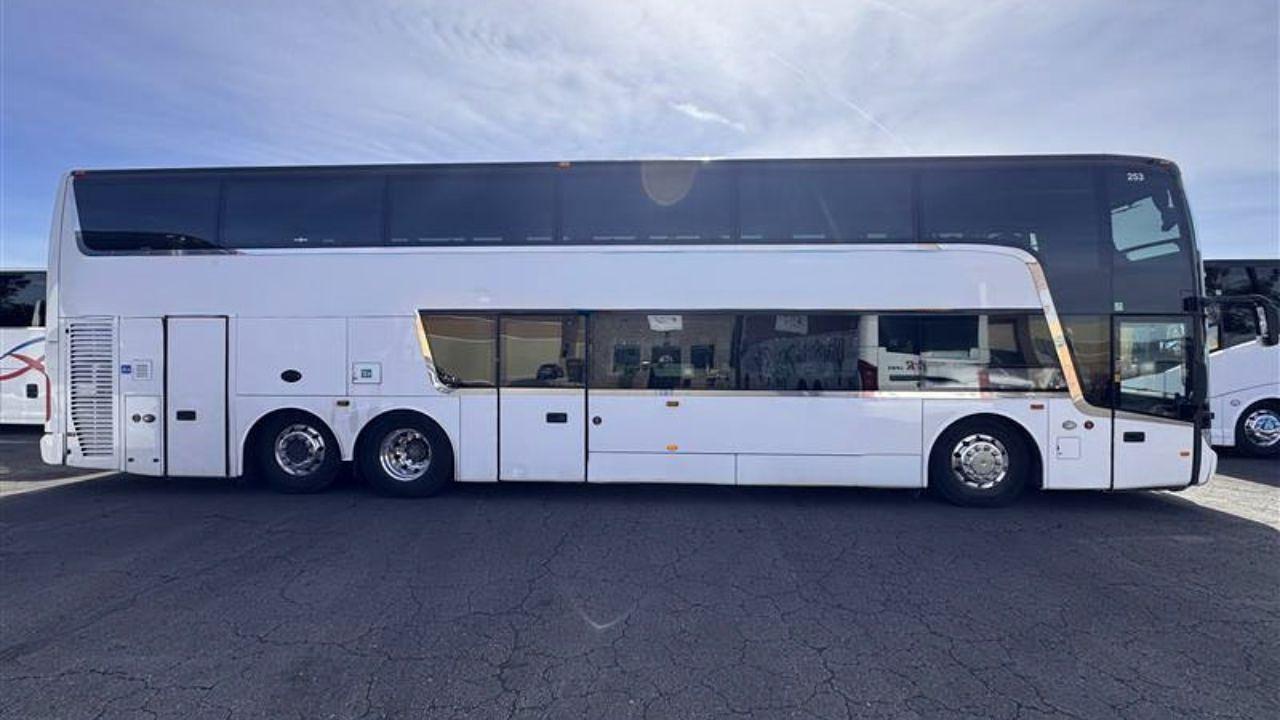
A Double Decker Charter Bus can help operators carry more passengers, improve brand image, and increase revenue on high-demand routes. But the real value goes far beyond the extra seats.
In 2026, fleet owners are thinking differently. Fuel costs stay unpredictable. Driver shortages still create pressure. Customers expect more comfort for premium trips. That is why many operators now look at double decker coaches as a long-term business strategy instead of just a “luxury bus.”
Still, buying one is not a small decision.
You may wonder:
“Will it actually make more money?”
“Is maintenance harder?”
“Can smaller operators even manage one?”
Those are smart questions. And honestly, the answer depends on your routes, customers, and growth plans.
For some fleets, a double decker coach becomes a major profit driver. For others, it creates unnecessary costs. The key is understanding where these buses truly work best.
Why Double Decker Charter Buses Are Growing Fast
Passenger demand keeps changing. Larger groups now want fewer vehicles, better comfort, and a more premium experience.
That is where a Double Decker Charter Bus stands out.
A single coach can often move 70 to 80 passengers comfortably. That changes scheduling completely for sports teams, corporate events, tour groups, and long-distance charters.
Operators also save money in certain situations because they need:
- Fewer drivers
- Fewer vehicles
- Less parking space
- Lower trip coordination
Many passengers also love the upper-deck experience. It feels different from a standard coach. That matters more than many operators realize.
People remember unique travel experiences.
That memory helps charter companies earn repeat business.
Many growing operators explore inventory and fleet planning support through The Bus Coach because scaling fleets today requires more than simply buying another bus.
The Real Profit Advantage Operators Notice
At first, many fleet owners focus only on the purchase price.
Experienced operators focus on revenue per trip.
That changes the conversation quickly.
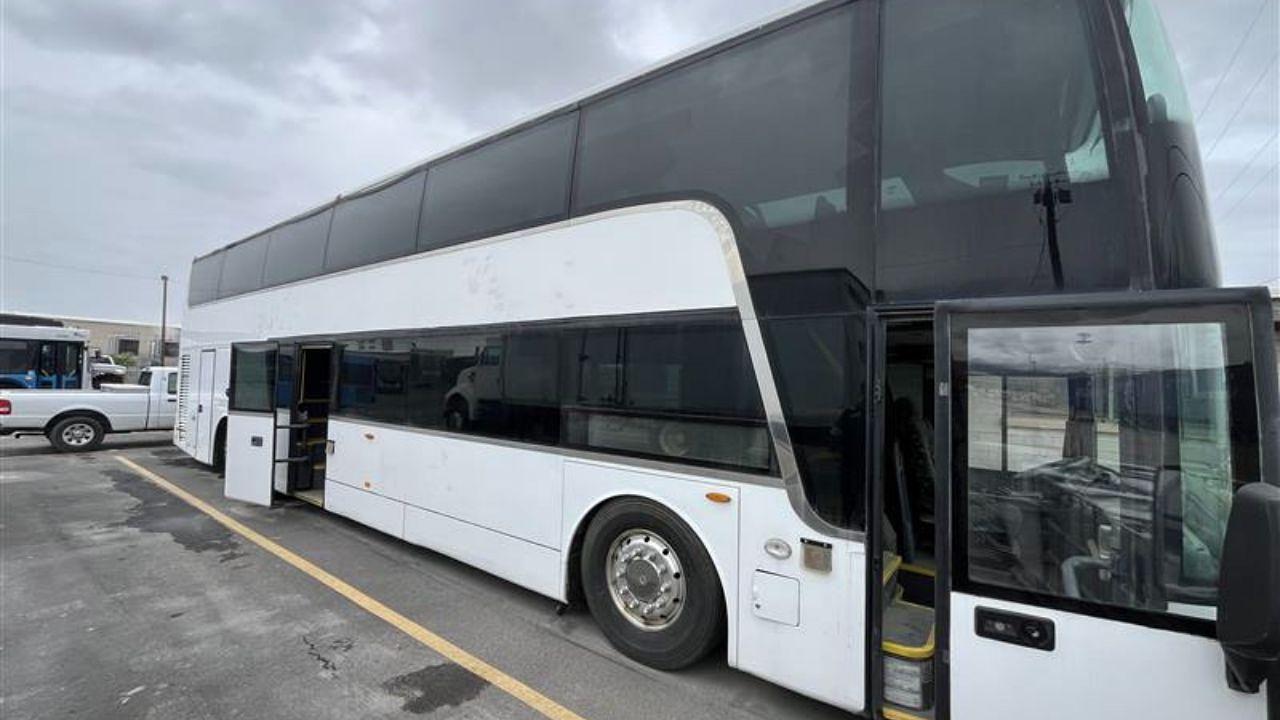
A full-size double decker coach can sometimes replace two smaller buses on busy routes. That creates better efficiency during peak seasons.
This matters heavily for:
- University athletics
- Casino routes
- Tour companies
- Airport transfers
- Convention transportation
- Corporate shuttle contracts
One operator may run three smaller buses for a major event. Another may complete the same job with one double decker and one standard coach.
That difference affects:
- Fuel usage
- Driver payroll
- Dispatch complexity
- Maintenance scheduling
Over time, those savings add up.
Why Premium Clients Prefer Double Decker Coaches
Image matters in this industry.
Passengers notice fleet quality immediately. So do event planners and corporate travel managers.
A modern double decker coach bus often creates a stronger first impression than standard fleet equipment. That premium appearance helps justify higher charter pricing.
Customers often associate larger coaches with:
- Better comfort
- Safer travel
- Premium service
- More professional operators
This becomes especially important for:
- Executive travel
- Music tours
- Destination weddings
- Luxury sightseeing
- VIP event transportation
Some operators even market their double deckers separately as “premium fleet options.”
That simple positioning can increase margins surprisingly fast.
Why Smaller Operators Must Think Carefully First
This is where many new buyers make mistakes.
A double decker coach looks exciting. But excitement alone does not create profits.
Smaller operators need to think about actual route demand first.
For example, many experienced fleet owners still recommend standard 55 or 56-passenger coaches for growing fleets. Those coaches work for almost every charter situation. They also offer:
- Better resale flexibility
- Easier driver scheduling
- Simpler maintenance planning
- More route compatibility
The client feedback from many operators says the same thing.
Uniform fleets usually lower operating costs over time.
That matters a lot for family-owned charter companies trying to scale carefully.
Some operators buy one specialty coach too early. Then it sits unused during slower seasons. That creates financial pressure quickly.
Before buying a double decker, ask yourself:
“Will this bus stay busy enough year-round?”
That question matters more than the sticker price.
Maintenance and Service Matter More Than Buyers Expect
A premium coach needs proper support.
That becomes obvious after the first unexpected repair.
Double decker buses often require technicians familiar with:
- Height clearance systems
- HVAC complexity
- Advanced electrical systems
- Weight distribution
- Suspension systems
Not every local shop handles those systems well.
That is why operators often work with companies like The Bus Coach for maintenance support, fleet planning, repairs, and sourcing help.
Downtime kills profits fast in this industry.
One missed charter can damage customer trust immediately.
Smart operators focus heavily on preventive maintenance because breakdowns during peak travel months become extremely expensive.
Used Double Decker Coaches Can Be Smarter Investments
Not every fleet needs a brand-new coach.
Actually, many profitable operators buy used equipment first.
That strategy lowers financing pressure while still improving fleet capacity.
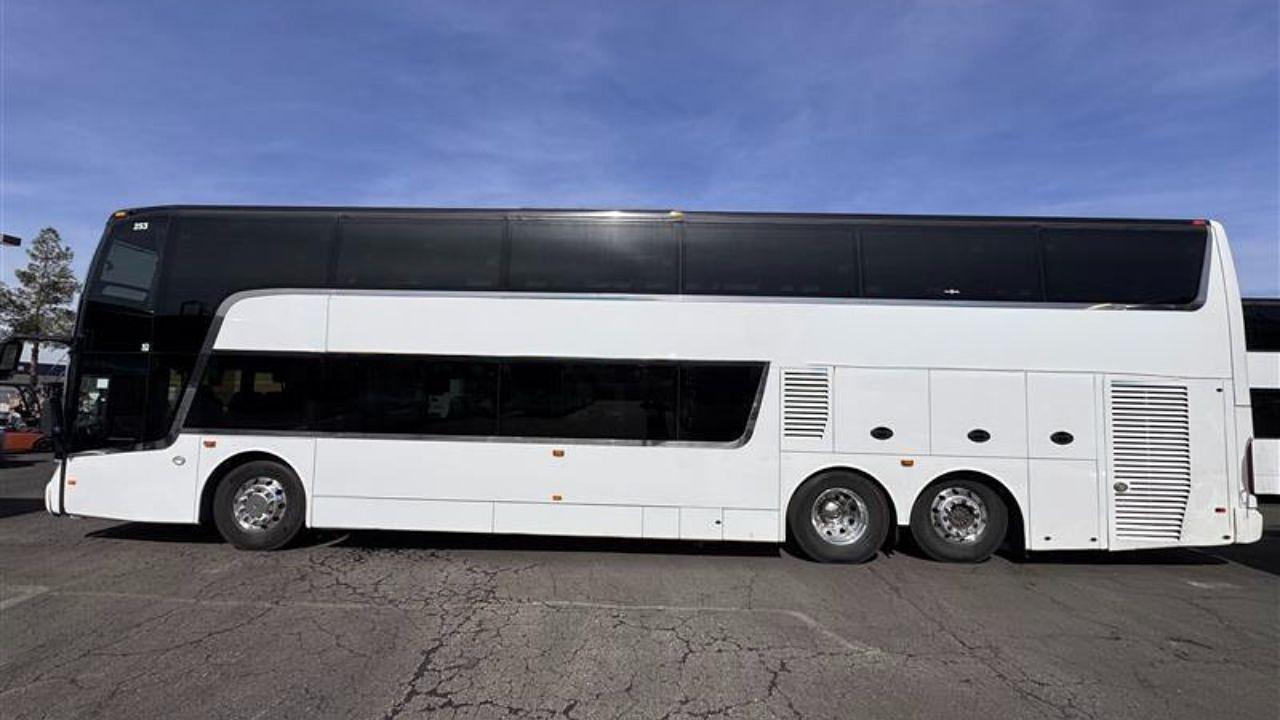
A quality used double decker often works well when:
- You already have charter demand
- Your routes are stable
- You need extra peak-season capacity
- Your maintenance systems are strong
- Your drivers already handle larger coaches
But inspection quality matters heavily.
A cheap coach with poor maintenance history can become a financial headache very quickly.
That is why experienced operators rarely gamble on random online listings anymore.
Many instead work through trusted inventory partners like The Bus Coach because fleet condition, support, and service history matter just as much as purchase price.
Height Restrictions Create Real Challenges
This is something many first-time buyers underestimate.
Not every route works for double deckers.
Bridge clearances, terminals, parking garages, and older urban streets can create problems fast.
Drivers also need additional awareness training.
One clearance mistake can cause serious damage.
That is why route planning becomes extremely important before expanding into double decker operations.
Operators usually perform detailed checks involving:
- Terminal access
- Hotel entrances
- Fuel station clearance
- City restrictions
- Maintenance bay height
- Parking facilities
Ignoring those details creates expensive surprises later.
Why Fleet Branding Changes with Double Deckers
A double decker coach becomes a moving billboard.
People notice it immediately on highways and city streets.
That visibility creates marketing value many operators never expect initially.
Passengers take photos. Event organizers remember the company. Social media exposure increases naturally.
Some charter companies even wrap their double deckers with custom branding because the larger surface area creates stronger advertising impact.
That kind of visibility helps operators stand out in crowded markets.
Especially in tourism-heavy cities.
Financing Structure Matters More Than Purchase Price
A lot of operators focus too much on total cost.
Monthly cash flow matters far more.
The wrong financing setup creates pressure during slow travel periods. The right structure gives operators room to grow safely.
This becomes especially important for seasonal businesses like:
- Tour operators
- School charter companies
- Event transportation providers
Strong financing helps operators:
- Preserve cash reserves
- Upgrade fleets safely
- Handle slower seasons
- Avoid draining working capital
- Add buses gradually
Many operators working with The Bus Coach also explore financing guidance because premium fleet growth requires long-term planning, not emotional buying decisions.
What Smart Operators Understand About Fleet Growth
Experienced operators rarely buy buses based only on appearance.
They focus on operational strategy first.
That includes:
- Passenger demand
- Route structure
- Driver availability
- Maintenance support
- Resale value
- Fleet flexibility
Some operators truly benefit from double deckers.
Others make stronger profits using standard coaches with more uniform fleet setups.
There is no universal answer.
That is why the smartest fleet owners think beyond “biggest bus equals biggest profit.”
Sometimes a double decker becomes the perfect growth move.
Sometimes keeping operations simpler creates better long-term margins.
The real goal is not owning the flashiest fleet.
The real goal is building a fleet that stays profitable year after year while customers keep coming back for the next trip.
FAQs
Is a Double Decker Charter Bus worth it for small operators?
Sometimes yes. It depends on route demand and customer type. Smaller operators should first confirm they can keep the coach busy throughout the year before making the investment.
How many passengers fit inside a double decker coach bus?
Most double decker coaches carry around 70 to 80 passengers comfortably, depending on the layout and configuration.
Are double decker coaches harder to maintain?
They can be more complex than standard coaches. Height systems, HVAC components, and electrical systems often require experienced technicians and specialized maintenance support.
Why do many operators still prefer standard 56-passenger coaches?
Standard coaches offer more flexibility. They fit most charter jobs, usually have stronger resale value, and simplify fleet operations for growing companies.