
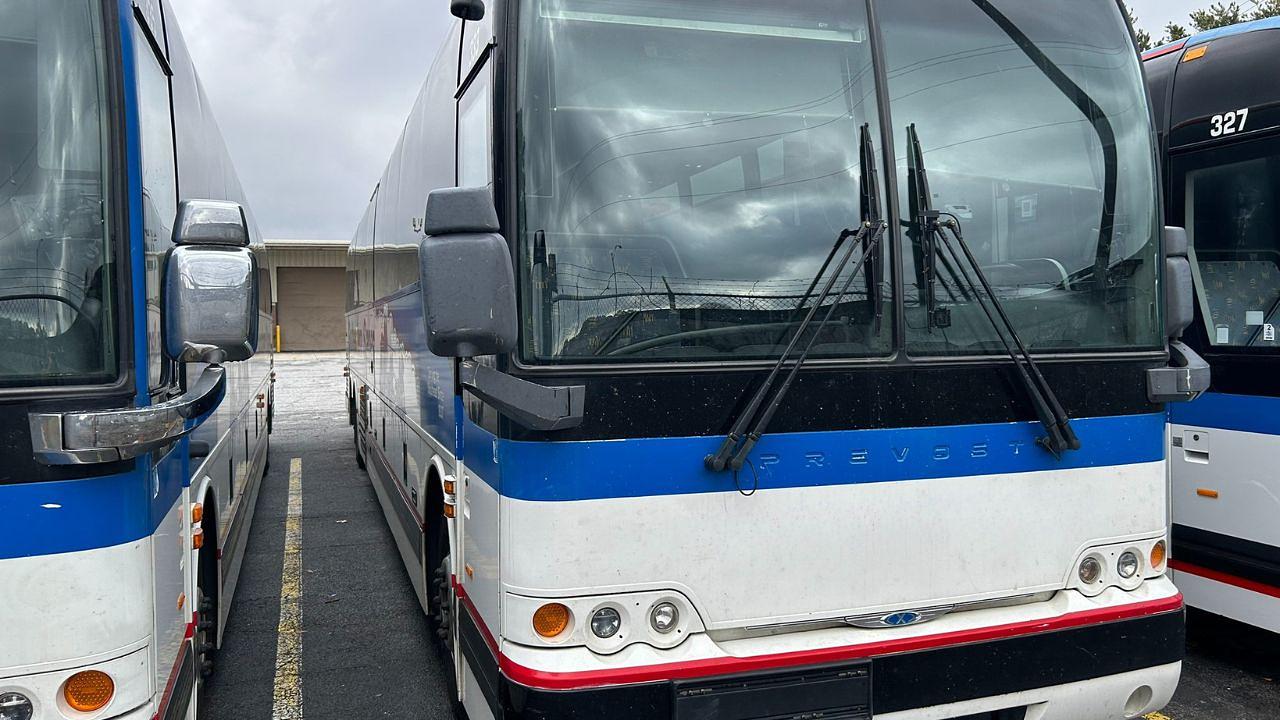
A high Prevost Bus Cost still makes sense in 2026 because smart operators care more about uptime, resale value, and customer experience than simply buying the cheapest coach available.
That may sound strange at first.
After all, Prevost coaches are expensive. Very expensive. A newer model can easily cost over a million dollars depending on the setup. Even older used units still carry strong market value years later.
So why do experienced fleet owners keep buying them?
Because smart operators do not measure cost the same way first-time buyers do.
They think long term.
They think about breakdowns during peak season. They think about customer retention. They think about whether a coach will still hold value ten years later.
That changes the entire buying decision.
Why Prevost Bus Cost Feels High Immediately
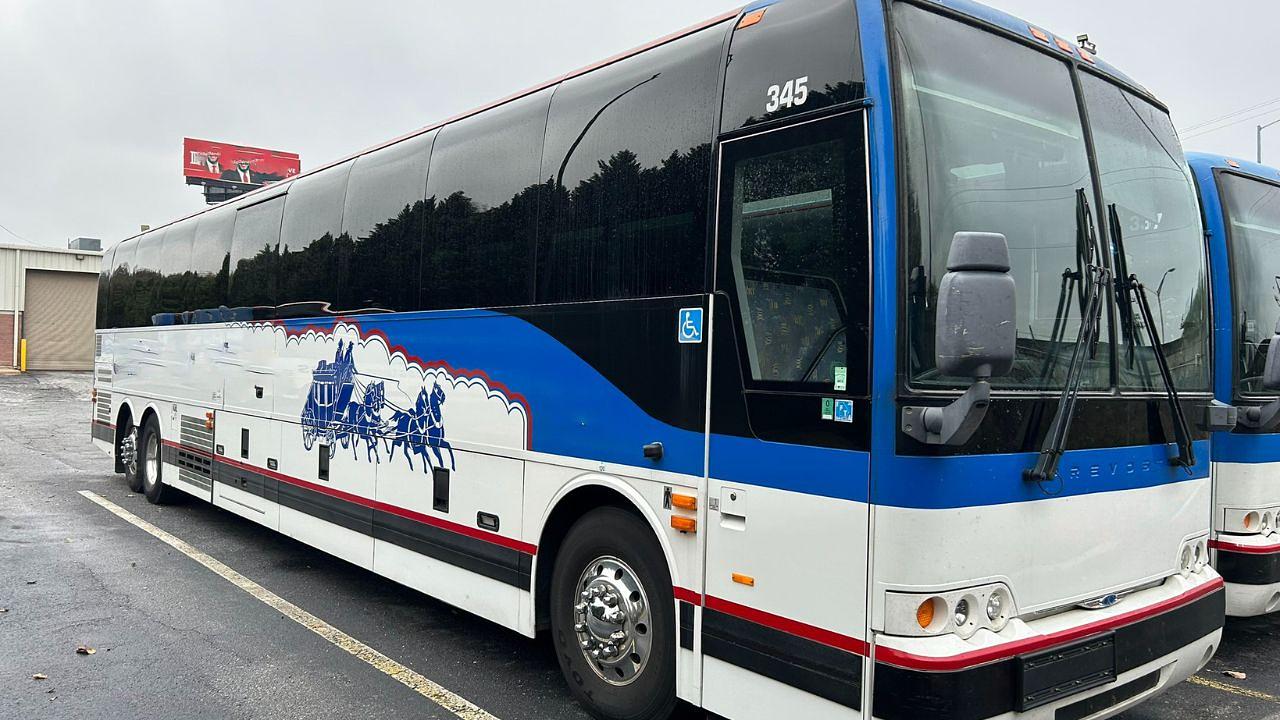
Most operators notice the sticker price first.
That reaction is normal.
The average Prevost Bus Cost depends on age, mileage, interior layout, and service history. A luxury executive coach costs far more than a standard seated charter coach.
Here is the rough pricing range many fleets see today:
Coach Type: Older Used Prevost
Estimated Price Range: $150,000 to $350,000
Coach Type: Mid-Age Prevost Coach
Estimated Price Range: $400,000 to $800,000
Coach Type: New Prevost Coach
Estimated Price Range: $1M to $2.5M+
Coach Type: Executive Conversion Coach
Estimated Price Range: Often $2M+
A lot of buyers immediately ask:
“Is any bus really worth that much?”
For some operators, honestly, no.
But for fleets handling premium charters, long-distance trips, executive transportation, or luxury tours, the answer often becomes yes very quickly.
That is why many operators continue exploring inventory through The Bus Coach when upgrading fleets or replacing older equipment.
Why Smart Operators Focus on Lifecycle Cost Instead
The purchase price only tells part of the story.
This is where many newer operators make mistakes.
A cheaper coach may save money upfront. But if that coach breaks down often, loses resale value quickly, or creates customer complaints, those “savings” disappear fast.
Experienced fleet owners focus on lifecycle value instead.
That includes:
- Downtime costs
- Preventive maintenance
- Fuel efficiency
- Passenger experience
- Driver comfort
- Resale value
- Parts availability
One missed charter can damage customer trust immediately.
And in this industry, reputation spreads fast.
Especially among corporate clients and group travel planners.
Why Premium Clients Still Prefer Prevost Coaches
Passengers notice comfort quickly.
They notice smooth rides. Quiet cabins. Better seating. Cleaner interiors. More luggage space.
Premium clients especially notice those details.
That matters heavily for:
- Corporate travel
- Music tours
- Executive charters
- Sports teams
- Luxury sightseeing
- Destination weddings
A premium-looking fleet also helps justify higher charter pricing.
Many operators quietly admit something important
Customers often judge the company before the trip even starts.
That is why perception and brand image plays a key role here.
Many premium operators also explore higher-end inventory through The Bus Coach Executive Inventory because luxury charter work usually demands better equipment.
Why Smaller Fleets Should Think Carefully Before Buying
Not every operator needs a brand-new Prevost immediately.
Actually, many smaller companies grow faster with reliable used equipment first.
That is especially true for family-owned charter businesses managing seasonal cash flow carefully.
Client feedback across the industry says something very important:
Standard 55 or 56-passenger coaches usually provide the best flexibility for growing fleets.
Why?
Because they work for almost every charter situation.
Those standard configurations help operators:
- Take more trip types
- Support overflow work
- Improve resale value
- Simplify scheduling
- Reduce training complexity
Some operators buy specialty layouts too early. Later, those coaches become harder to resell or harder to keep busy year-round.
That creates financial pressure quickly.
The smartest fleets stay flexible first.
Luxury comes later.
Why Used Prevost Coaches Often Make More Financial Sense
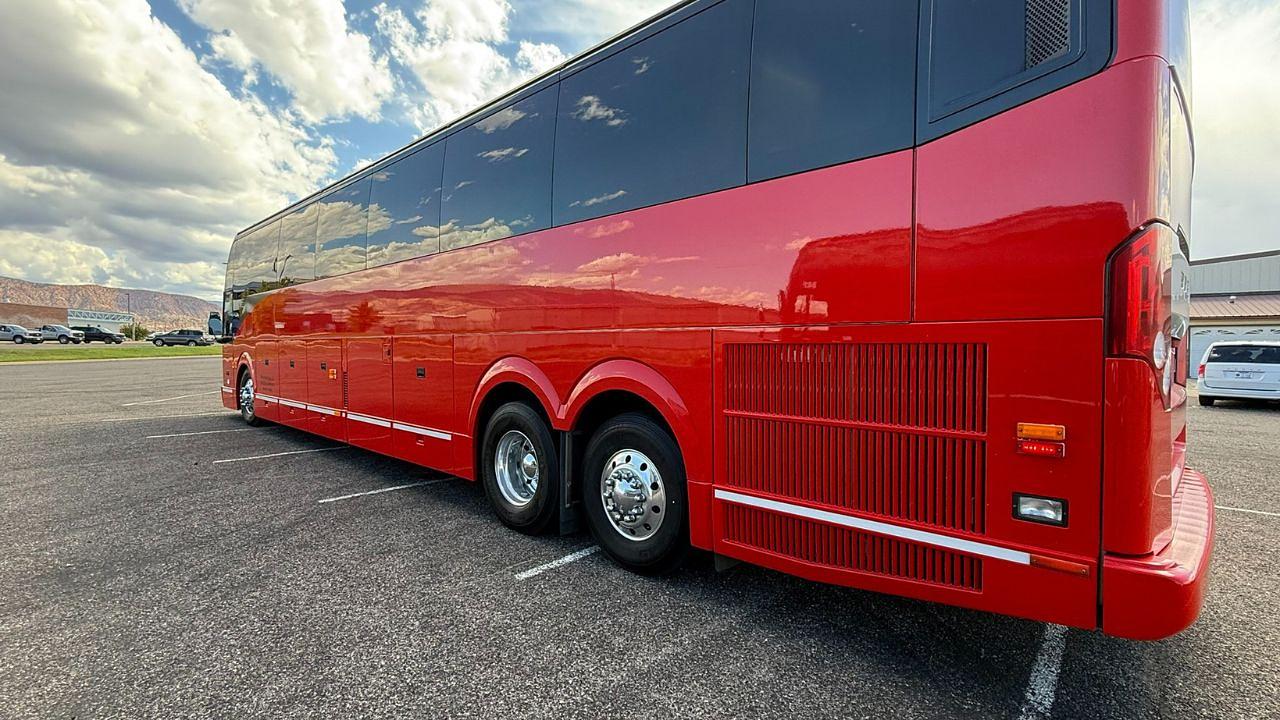
A used coach can sometimes create better ROI than a brand-new one.
This surprises many first-time buyers.
But experienced operators understand something important.
Depreciation hurts hardest early.
That is why many fleets intentionally buy well-maintained used equipment instead of chasing brand-new inventory immediately.
Used coaches often make sense when:
- You are scaling slowly
- Seasonal revenue matters
- You need multiple buses
- Cash flow flexibility matters
- Your maintenance systems are strong
Still, maintenance of the coaches matters a lot.
A cheap coach with poor maintenance history can become a financial nightmare very quickly.
This is why buyers increasingly work with trusted partners like The Bus Coach for sourcing, inspections, maintenance support, and fleet planning instead of relying on random online listings.
Hidden Costs Buyers Often Ignore
A lot of buyers focus too much on purchase price.
Operating costs matter just as much.
This is where many first-time fleet owners underestimate reality.
Common ownership costs include:
- Tires
- Fuel
- DEF systems
- HVAC repairs
- Preventive maintenance
- Driver training
- Insurance
- Suspension repairs
- Unexpected downtime
Luxury coaches also need experienced technicians.
Not every repair shop understands premium motorcoaches properly.
That becomes obvious after the first major repair bill.
This is why maintenance planning matters so much for long-term profitability.
Why Uniform Fleets Usually Lower Costs
Many experienced operators learn this lesson over time.
Mixed fleets create complexity.
Different bus types require different parts, different maintenance procedures, and different driver training. Over time, that increases operating costs.
Uniform fleets simplify operations.
That is why many successful charter businesses standardize around similar coach setups whenever possible.
Often, the biggest fleet difference becomes vehicle age, not completely different bus styles.
That approach helps operators:
- Simplify repairs
- Reduce parts inventory
- Improve scheduling
- Train drivers faster
- Lower maintenance complexity
It also improves resale planning later.
Budget Trips and Luxury Trips Need Different Strategies
Not every charter needs premium equipment.
This is another important industry reality.
Many fleets intentionally segment their operations.
Older coaches or budget buses often handle:
- School athletics
- Ski trips
- Shuttle routes
- Budget charters
- Line-run transportation
Meanwhile, premium coaches handle higher-end customers.
That balance helps maximize profits while protecting premium equipment from unnecessary wear.
Some operators even describe their fleets as “budget trip buses” and “premium trip buses.”
That strategy works surprisingly well.
Why Financing Structure Matters More Than Sticker Price
A lot of operators search “Prevost bus cost for sale” without thinking deeply about financing structure first.
That can become risky.
Monthly cash flow matters far more than headline pricing for most growing fleets.
The right financing structure helps operators:
- Preserve working capital
- Add buses gradually
- Manage seasonal slow periods
- Avoid draining reserves
- Handle unexpected repairs
This becomes especially important for smaller charter businesses where one major breakdown can affect the entire operation.
Many buyers exploring The Bus Coach Executive Coaches also seek financing guidance because premium fleet growth requires careful planning, not emotional decisions.
Why Preventive Maintenance Protects Profits
Most major repair problems start small.
That is why preventive maintenance matters so much.
Delayed repairs usually create the highest long-term costs. Small issues become major failures quickly when coaches stay on the road constantly.
Smart fleets stay proactive.
They schedule regular inspections. They track recurring issues. They handle repairs early instead of waiting for breakdowns.
That approach protects:
- Uptime
- Customer schedules
- Driver confidence
- Long-term operating costs
Customers rarely remember when a trip goes perfectly.
But they absolutely remember breakdowns.
What Smart Operators Understand About Prevost Ownership
Experienced fleet owners rarely buy buses based only on appearance.
They focus on long-term business strategy.
That includes:
- Route demand
- Passenger expectations
- Resale value
- Driver availability
- Maintenance support
- Seasonal revenue
- Operational flexibility
Some operators truly benefit from premium Prevost coaches.
Others make stronger profits using reliable used equipment and simpler fleet structures.
There is no universal answer.
The smartest operators simply understand one thing very clearly.
A coach should not just look impressive.
It should help the business stay profitable year after year while customers keep booking the next trip.
FAQs
Is the Prevost Bus Cost worth it for small fleets?
Sometimes yes. Sometimes no. It depends on your routes, customers, and cash flow.
Why are Prevost coaches so expensive?
They offer better comfort, ride quality, and resale value. Many fleets also trust their long-term reliability.
Is buying a used Prevost a smart choice?
Yes. Many operators start with used coaches first. Just make sure the maintenance history is strong.
What costs do buyers often ignore?
Many forget about tires, repairs, fuel, and downtime. Preventive maintenance also adds ongoing costs.