
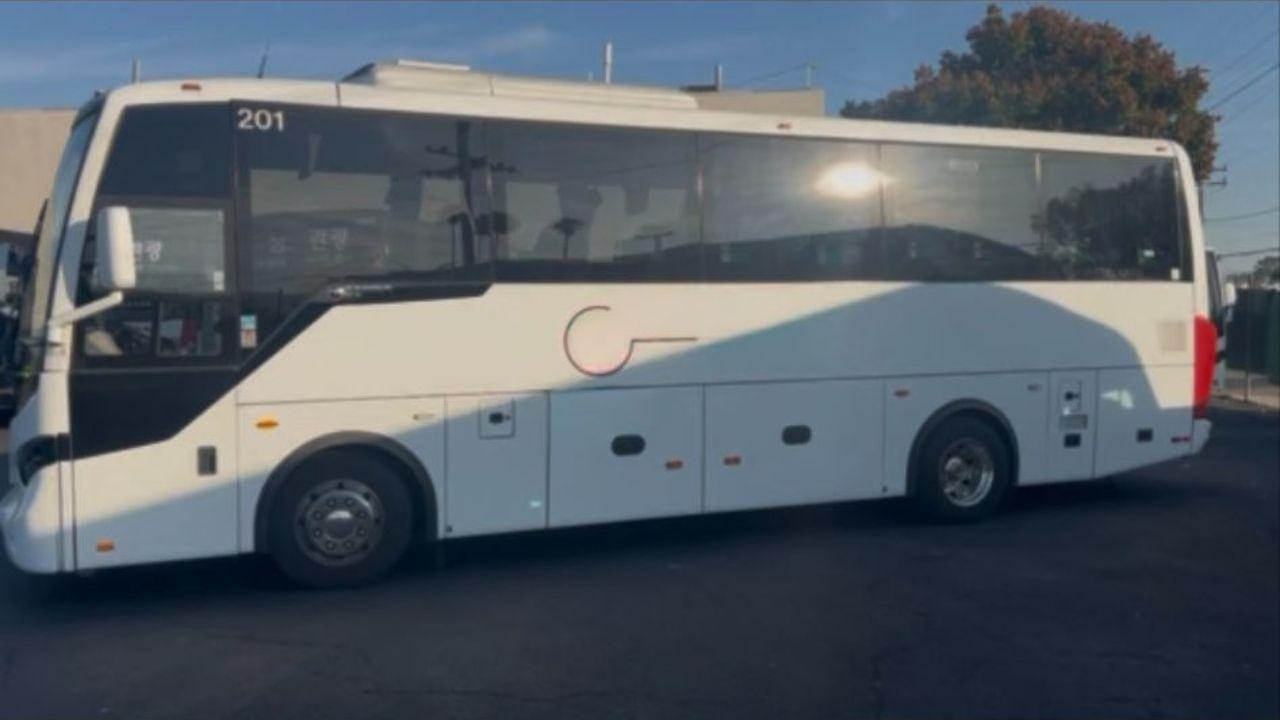
A transportation business plan is not about impressing a lender. It's about avoiding expensive mistakes. That may sound harsh. But ask enough fleet owners and you'll hear the same stories. Someone bought buses before they had enough work. Someone landed a big contract and expanded too fast. Someone assumed the busy season would last forever.
The transportation industry can be rewarding. It can also humble you quickly. A coach payment arrives every month whether the bus is moving or not. That's why the best operators spend time planning before they spend money.
At Bus Coach, we work with charter operators, shuttle companies, tour businesses, and transportation entrepreneurs across North America. The companies that grow steadily are rarely the ones making flashy moves. They're usually the ones making disciplined decisions.
A good transportation business plan helps you see problems before they become expensive.
Why Most Transportation Businesses Struggle
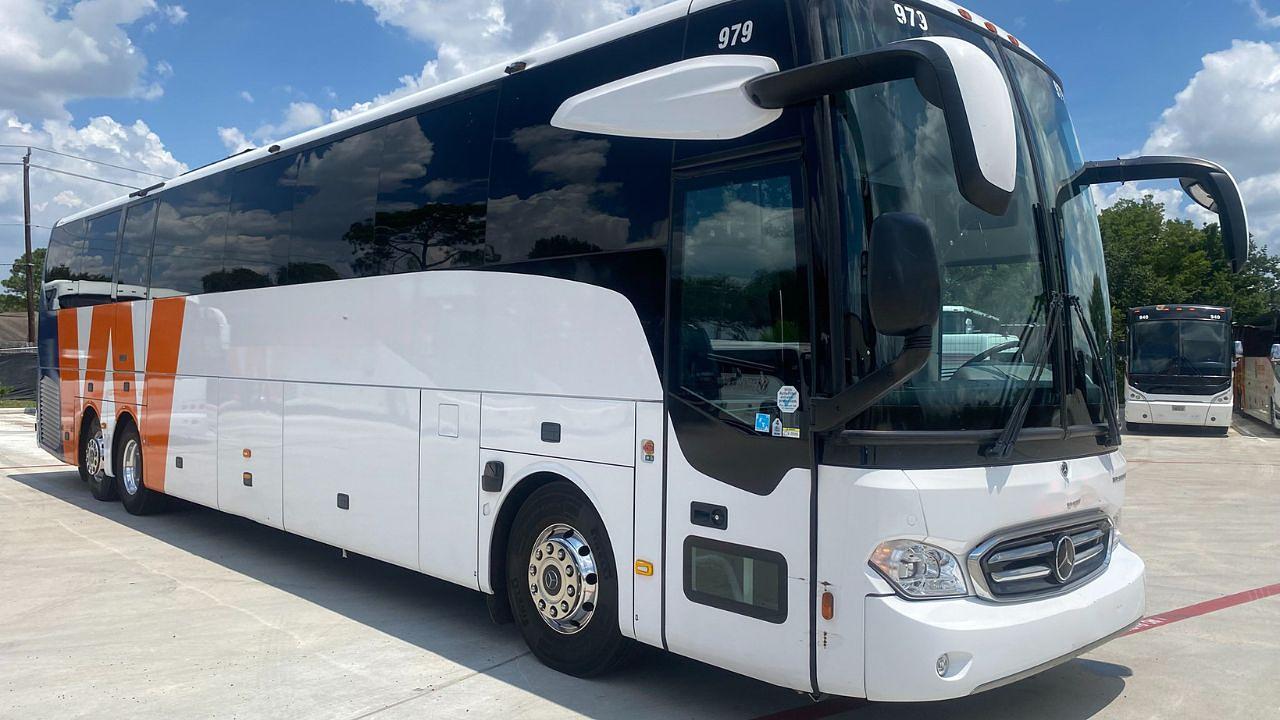
Many people think transportation is simple. Buy a bus. Find customers. Make money. The reality is a little messier. Fuel prices change. Insurance costs rise. Drivers leave. Major repairs happen at the worst possible time.
And then there's seasonality. A tour company may be overwhelmed in June and surprisingly quiet in January. An airport shuttle operator may have steady demand all year. Every transportation business has its own rhythm.
The operators who understand that rhythm usually outperform those who don't. Because transportation isn't really about buses. It's about managing costs, downtime, and customer expectations at the same time.
A Simple Transportation Business Plan Example
Let's say you want to start a charter company with two coaches. On paper, things look exciting. You estimate strong demand. You calculate revenue. You start imagining future growth. But the real numbers matter more than the dream.
A simple transportation business plan example might include:
- Two pre-owned 56-passenger coaches
- Corporate charter services
- Sports team transportation
- Tour group bookings
Annual projections could look something like this:
- Revenue: $850,000
- Payroll: $220,000
- Fuel: $95,000
- Insurance: $70,000
- Maintenance: $55,000
- Financing costs: $120,000
- Administrative expenses: $45,000
Most new operators focus heavily on revenue. Experienced operators focus heavily on expenses. Revenue creates excitement. Expenses decide whether the business survives.
Know What Business You're Actually Starting
This sounds obvious. It isn't.
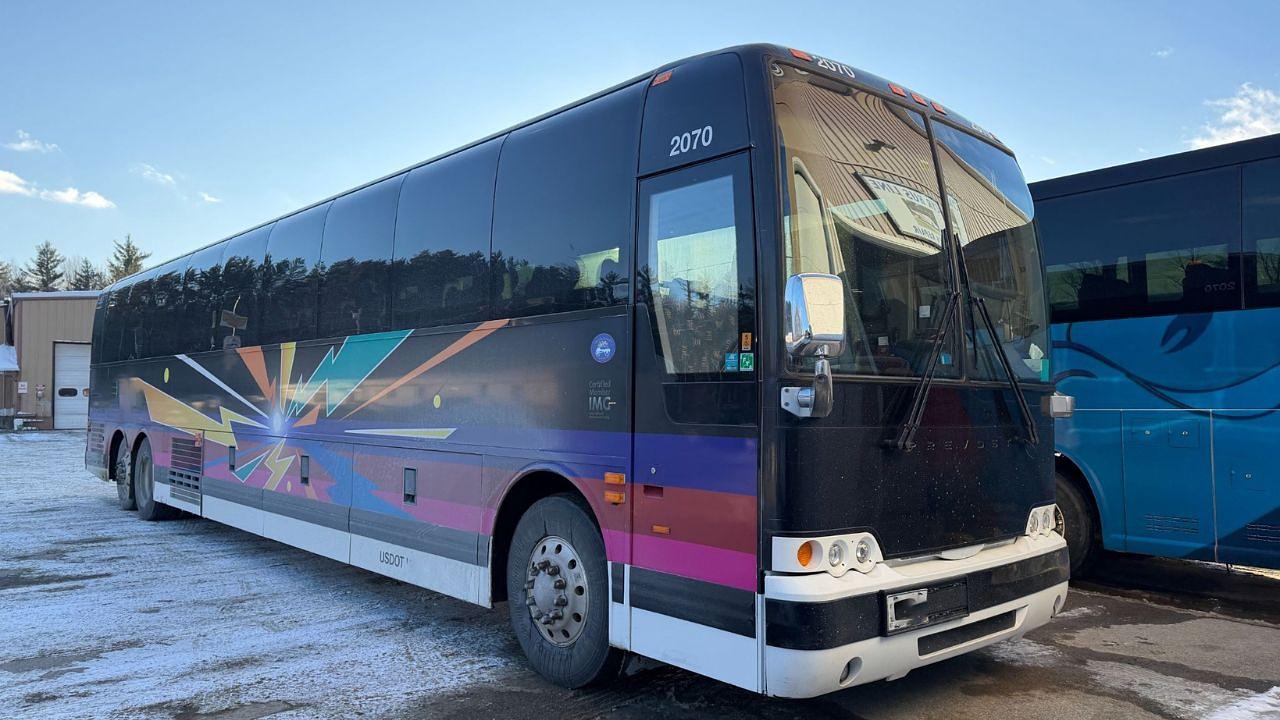
Many operators buy a bus before they know exactly what market they want to serve. That approach creates problems later. A vehicle that works well for corporate charters may not be ideal for airport shuttle work. A fleet built for line-run transportation may not fit luxury tour customers. Before buying anything, answer one question.
Who will be paying you? The answer shapes everything. Fleet size. Pricing. Marketing. Financing. Driver requirements. All of it.
Common transportation niches include:
- Charter services
- Tour operations
- Airport shuttles
- Employee transportation
- School transportation
- Sports team travel
- Commuter routes
Trying to serve everyone from day one usually creates confusion. A focused business tends to grow faster.
Choose Your Fleet Carefully
This is where a lot of money gets wasted. A new operator sees a unique bus configuration and falls in love with it. The bus looks impressive. The price feels reasonable. The financing works. So they buy it. A year later they discover that many customers wanted something different. For smaller and mid-sized operators, standard 55 or 56-passenger coaches usually make the most sense. There's a reason they're everywhere. They fit almost every major charter application. Sports teams. Corporate groups. Tours. School trips. They also hold resale value better. That matters more than people think. Your first coach probably won't be your last. Someday you'll want to upgrade, trade, or expand. Standard configurations make that process easier.
At Bus Coach, we often encourage newer operators to focus on flexibility before specialization. Specialty fleets have their place. But flexibility pays the bills.
Used Coaches Can Be a Smart Business Decision
A lot of people automatically assume a new bus is better.
Not always.
A new coach offers warranty protection, updated technology, and a longer service life. A quality pre-owned coach can offer something just as important. Breathing room. Lower acquisition costs often allow operators to keep more cash available for marketing, maintenance, payroll, and unexpected expenses. That's important during the first few years.
Transportation companies rarely fail because they spend too little on buses. They usually struggle because cash flow becomes tight. Many successful operators built profitable businesses using pre-owned equipment long before upgrading to newer fleets.
The key is buying the right coach. Not simply the newest one.
That is one reason many operators explore inventory options through Bus Coach and review available Coach inventory before making a purchase decision. The goal isn't finding the cheapest vehicle. The goal is finding the right vehicle for the work you actually plan to do.
Revenue Forecasts Need Reality
Every transportation company starts with optimistic numbers. The problem is that fuel bills don't care about optimism. Neither do tire replacements. Or insurance renewals. When forecasting revenue, be conservative.
Estimate:
- Average trip volume
- Average trip value
- Seasonal demand changes
- Customer retention rates
- Contract renewal risks
Some months will be strong. Some won't. Building realistic projections gives you room to adapt when business conditions change. Because eventually they will.
FAQs
1. What should a transportation business plan include?
A transportation business plan should cover your target market, services, fleet strategy, startup costs, financing, operations, marketing, and growth goals.
2. Is it better to start with used or new coaches?
Many new operators start with quality used coaches because they require less upfront capital and can generate revenue faster while preserving cash flow.
3. How many buses should I start with?
Most successful operators begin with one or two reliable coaches. Growing slowly often reduces financial risk and operational challenges.
4. How can I get clients for a transportation business?
Focus on local partnerships, referrals, schools, hotels, corporate clients, online reviews, and a strong reputation for reliability and on-time service.
5. Why is maintenance important in a transportation business plan?
Maintenance protects fleet uptime, customer satisfaction, and profitability. One breakdown can cost far more than regular preventive service.
6. Can I finance a coach instead of paying cash?
Yes. Many transportation companies use financing or leasing options to preserve working capital while expanding or upgrading their fleets.