
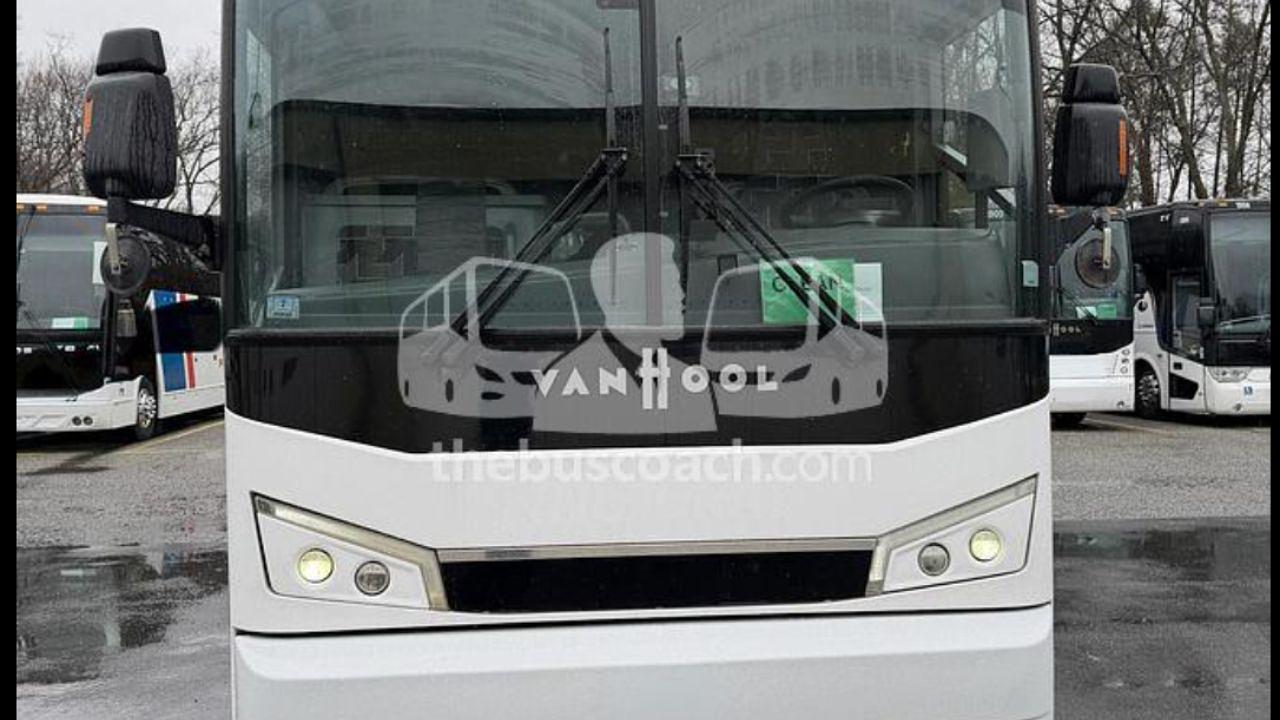
Van Hool went bankrupt in 2024. Big news in the industry. It left a lot of operators wondering the same thing: can you still buy one of these coaches and trust it?
Yes. You can.
The bankruptcy played out in Belgium. VDL, a Dutch manufacturer, bought the key parts of Van Hool's bus business. The trailer side went somewhere else entirely, to a different buyer. Here in North America, none of that hit as hard as people assumed it would. ABC Companies still handles sales, parts, service, tech support. Nothing there really changed.
If the bankruptcy news made you hold off on buying, here's what actually shifted and what didn't. And which models operators are still leaning toward in 2026. If you're shopping for a used Van Hool bus, The Bus Coach offers professionally inspected and reconditioned inventory, making it easier to compare models with confidence.
What the VDL Deal Really Means for Buyers
Ownership changed. Day-to-day, owning the coach didn't.
VDL is one of the bigger industrial manufacturers in Europe. Decades of experience with commercial vehicles. The acquisition let them keep production running, kept the engineering teams in place, kept parts flowing. Schmitz Cargobull picked up the trailer business on its own, separate deal.
ABC Companies is still the distributor here. Parts, tech help, warranty coverage where it applies, FleetAssist roadside service. All still there.
Most buyers want three things answered.
Can I get parts? Can someone local actually fix this? Will it hold value?
Right now, yes to all three. That's basically why fleets are still buying Van Hool.
Why Operators Still Choose Van Hool
Over 12,000 Van Hool coaches have hit the road in North America since the late '80s. That's a long track record. Comfortable cabins, solid builds, coaches that hold up over years of hard use.
Comfort matters a lot here. Many Van Hool configs come with a flushing lavatory. Sounds minor. Ask anyone three days into a tour and it's not minor at all. Restroom setups differ by manufacturer and by order, but plenty of operators call this a real edge on long trips.
Fleet managers like the driving position too. Good luggage space. Layouts built for charter work, not retrofitted for it. None of this makes headlines. It's the stuff that matters at hour nine of a long haul.
Van Hool has also put money into battery-electric coaches. Zero-emission options are starting to look real, not theoretical, especially as charging networks keep growing.
Five Van Hool Models Worth Considering
Feature: Model
CX45: 45 ft | Up to 56 passengers | Diesel | Charter and tour operators
Feature: Model
CX35: 35 ft | Up to 40 passengers | Diesel | Shuttle and regional routes
Feature: Model
TDX Astromega: 45 ft Double Deck | Up to 81 passengers | Diesel | High-capacity charter service
Feature: Model
CX45E: 45 ft | Up to 56 passengers | Battery Electric | Zero-emission fleets
Feature: Model
TDX25E: Double Deck | Up to 75 passengers | Battery Electric | Premium electric operations
CX45
Still Van Hool's flagship. A 45-foot coach that charter companies, tour operators, universities, and corporate shuttle providers have leaned on for years.
Stick with the standard 56-passenger layout if you can. Best mix of capacity, running cost, and resale. Standard setups are also just easier to maintain. And easier to sell later, since more buyers want them.
CX35
Don't need a full-size coach? Look at the CX35. Shorter wheelbase, easier through city streets. Still has the comfort and luggage room you'd expect from a premium coach.
Good fit for airport runs, hotel shuttles, regional charter work.
TDX Astromega
Need to move a crowd? This double-decker does it.
More than 80 seats depending on how it's configured. Fewer vehicles needed to move the same group. On routes that reliably fill up, that saves real money.
CX45E and TDX25E
These electric models say something about where the industry's headed.
Battery power still works best on specific routes with the right charging setup nearby. But it's a real option now, not a science project, for operators wanting to cut emissions or get ahead of coming rules.
As incentives grow and charging infrastructure catches up, expect electric coaches to take a bigger slice of the market.
Van Hool vs. Prevost vs. MCI
Feature: Typical New Price*
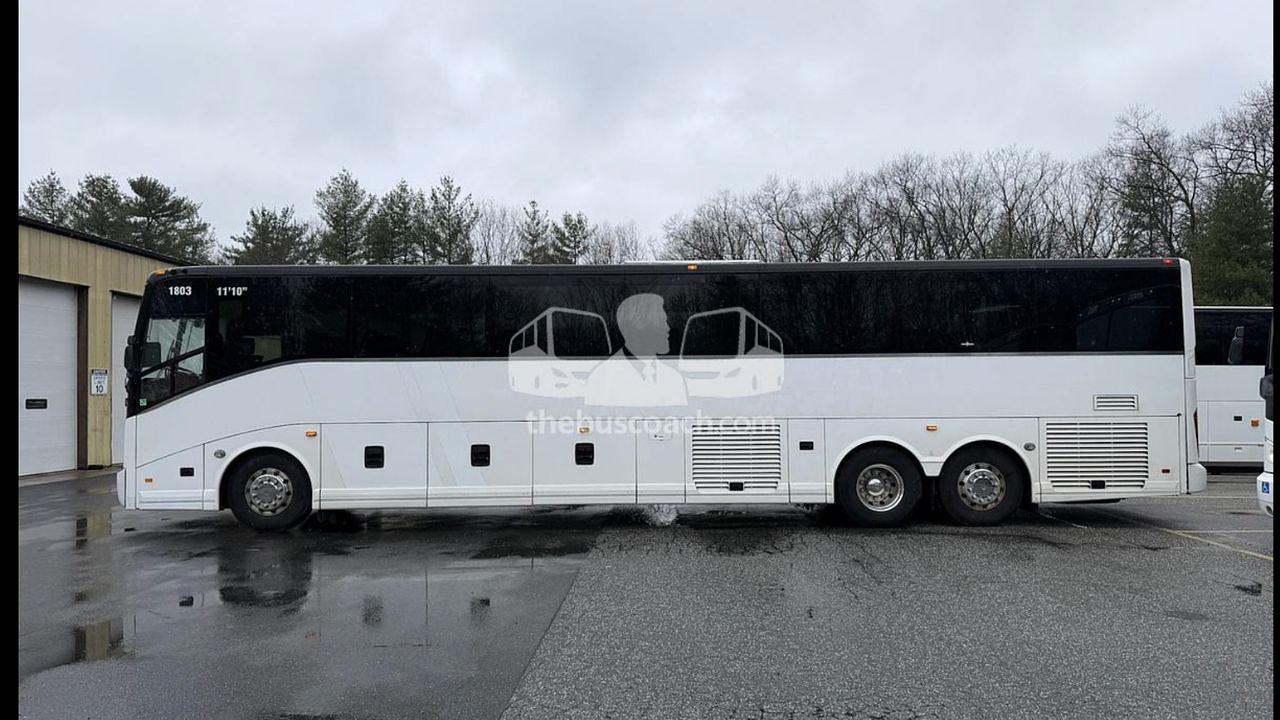
Van Hool CX45: $500K–$650K
Prevost H3-45: $550K–$700K
MCI J4500: $530K–$650K
Feature: Standard Capacity
Van Hool CX45: Up to 56
Prevost H3-45: Up to 56
MCI J4500: Up to 56
Feature: Passenger Comfort
Van Hool CX45: High
Prevost H3-45: High
MCI J4500: High
Feature: Service Network
Van Hool CX45: ABC Companies
Prevost H3-45: Extensive
MCI J4500: Extensive
Feature: Resale Strength
Van Hool CX45: Strong
Prevost H3-45: Excellent
MCI J4500: Strong
Feature: Electric Platform
Van Hool CX45: Available on select models
Prevost H3-45: Developing
MCI J4500: Developing
*Estimated pricing varies by specifications and options.
Each brand does something well.
Van Hool leans on comfort and interior design built for charter work. Prevost has the strongest resale market around and a huge service network behind it. MCI is the safe bet if reliability and easy-to-find parts matter most to you.
Don't just pick the badge. Look at who can actually service the thing near you. A coach with a shop down the road beats a "better" coach that needs parts flown in from three states over.
What Does a Van Hool Bus Price Look Like?
People ask this constantly. Truth is, it depends. Configuration, age, mileage, condition, all of it.
No manufacturer prints a fixed price list. Almost every coach gets built to spec. Engine, seating, accessibility gear, electronics, interior finish. All of it changes the final number.
Rough market numbers:
Model: CX35
Typical New Price: $450K–$550K
Typical Used Price*: $120K–$300K
Model: CX45
Typical New Price: $500K–$650K
Typical Used Price*: $150K–$450K
Model: TDX Astromega
Typical New Price: $700K–$900K
Typical Used Price*: $250K–$600K
*Used prices vary based on model year, mileage, maintenance history, and overall condition.
Electric coaches cost more up front than diesel. Incentives and lower running costs can close that gap over time, for the right fleet.
New to the charter business? A well-inspectedused Van Hool bus is usually the smart entry point.
Buying a Used Van Hool
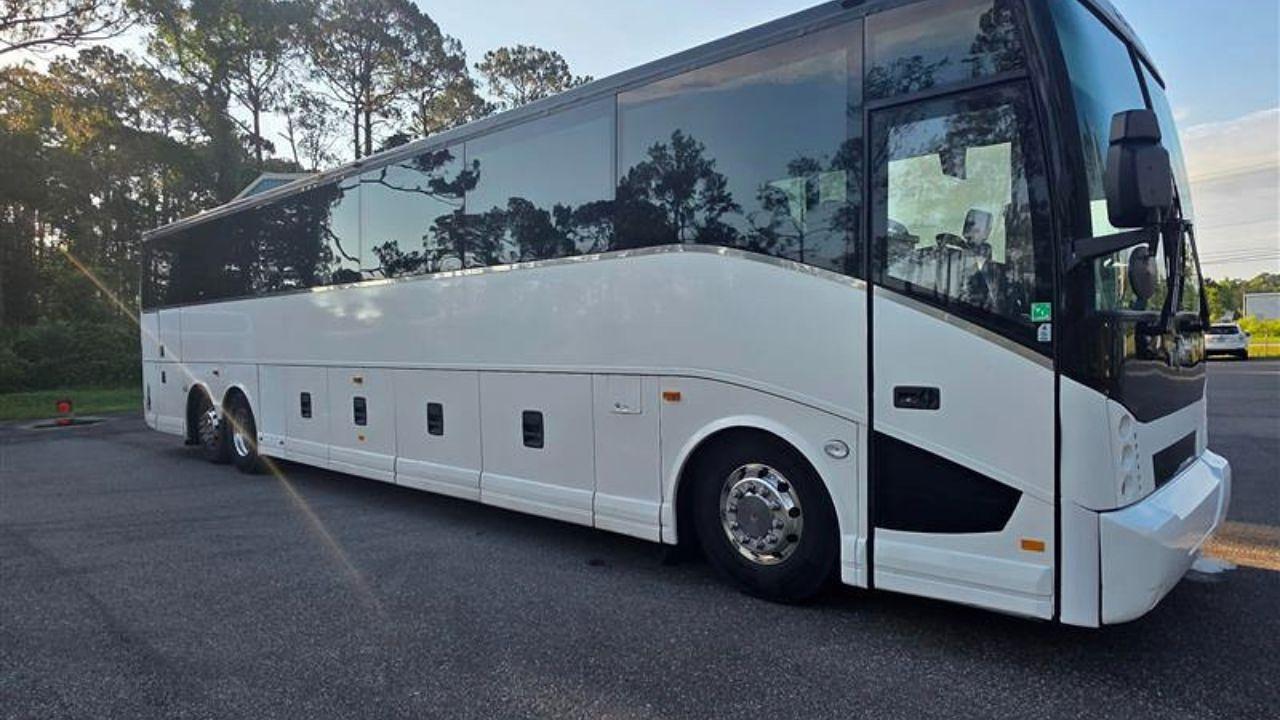
A clean paint job hides a lot. Before you buy, pull the engine and transmission records. Check the suspension and brakes. Run the HVAC under real load, not idle. Test the lavatory yourself. Check the holding tank. Cycle the wheelchair lift fully if there is one. Walk the body slowly for water damage or corrosion.
Then ask about the maintenance history. A lot of experienced buyers will take a well-maintained older coach over a shiny newer one with a spotty record. If you are comparing pre-owned inventory, The Bus Coach inspects and reconditions every vehicle before it's listed, giving buyers a clearer picture of its condition before they make a decision.
When Van Hool May Not Be the Best Choice
These coaches are built for premium passenger work. If most of your business is school routes, athletic trips, budget-driven stuff, a smaller commercial bus probably makes more financial sense.
Plenty of successful operators run mixed fleets. Premium coaches for the long charters. Cheaper vehicles for the shorter, price-sensitive runs. Matching the vehicle to the job usually beats forcing one coach to do everything.
The 2024 bankruptcy changed who signs the checks. It didn't change what made Van Hool worth buying in the first place. ABC Companies is still there. The lineup still covers everything from regional shuttles to premium tour coaches.
New or used, pay attention to maintenance history, local service access, and total cost of ownership. Not just the sticker price. That's what actually shapes how the coach performs over its life.
FAQs
Is Van Hool still building coaches?
Yes. After the 2024 ownership change, the bus business kept going under VDL. ABC Companies still supports customers across North America.
Who bought Van Hool?
VDL bought the key assets of the bus division. Schmitz Cargobull bought the trailer business separately.
Is a Van Hool coach still worth buying?
For a lot of operators, yes. Parts, service, comfort, build quality, all still hold up.
What does a new Van Hool bus cost?
Around $500,000 to start for diesel. Well-equipped models often hit $650,000 or more.
Van Hool or Prevost?
Both solid brands. Van Hool wins on comfort and passenger-focused design. Prevost wins on service network and resale value. Pick based on your routes and what support you can actually get.