
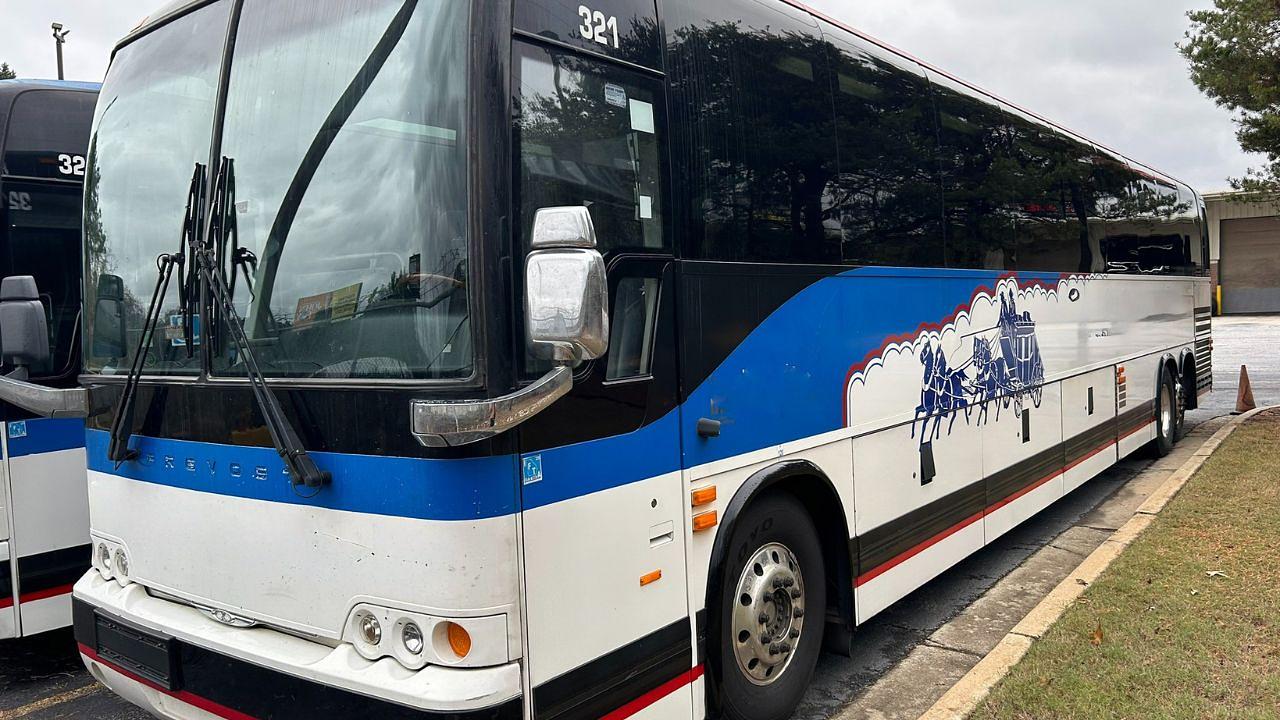
You don't need a big fleet to get into this. Plenty of operators start with one vehicle and build from there. What actually decides how things go is the stuff you figure out early, your niche, your licensing, how you finance the vehicle, how you run things day to day.
It doesn't matter if it's a charter company, an airport shuttle, freight, or medical transport. The path looks pretty similar either way. Nail the foundation before you start dreaming about a second vehicle.
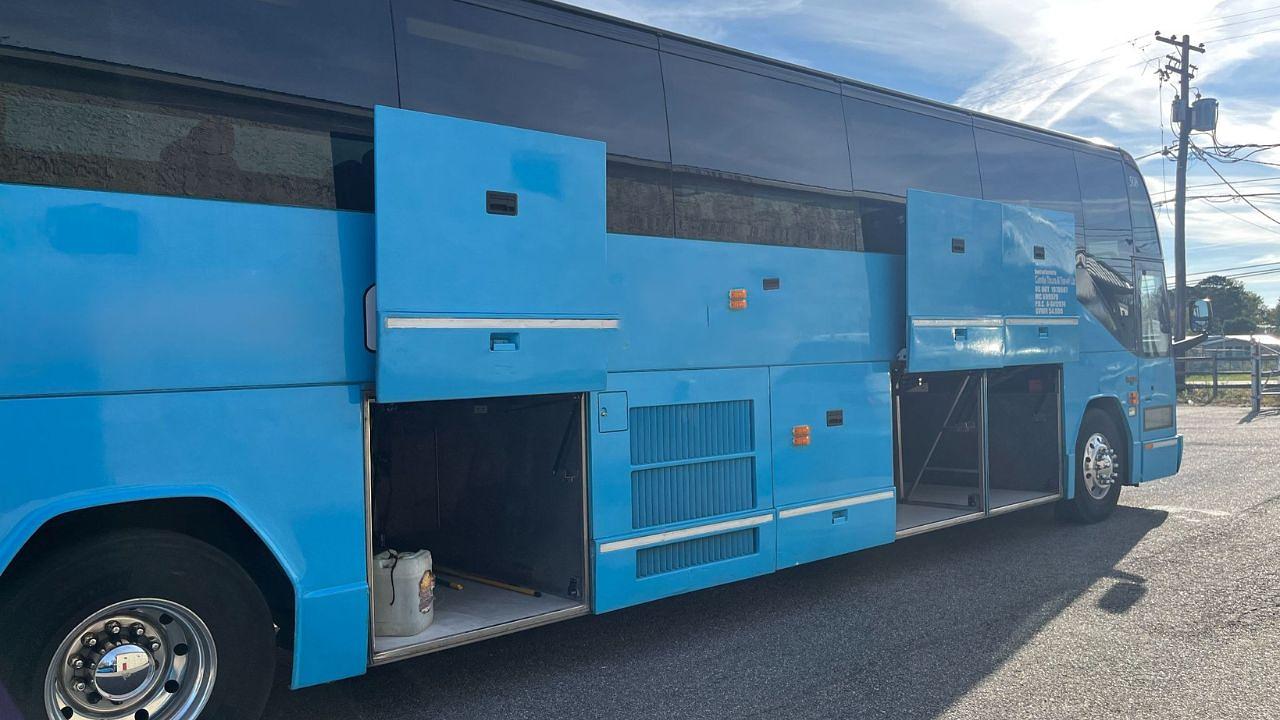
Step 1: Pick One Niche and Stick With It
Transportation businesses aren't all the same animal. Different customers, different rules, different equipment, and the costs swing wildly depending on where you land.
Rough comparison:
Niche: Charter & Motorcoach
Typical Startup Cost: High
Best Fit: Tours, schools, corporate travel
Niche: Airport Shuttle
Typical Startup Cost: Moderate
Best Fit: Hotels, airports, business travel
Niche: Non-Emergency Medical Transport
Typical Startup Cost: Moderate
Best Fit: Medical appointments and senior transport
Niche: Freight & Trucking
Typical Startup Cost: Moderate to High
Best Fit: Commercial goods
Niche: Last-Mile Delivery
Typical Startup Cost: Lower
Best Fit: Local deliveries and e-commerce
Match it to your budget, your background, whatever is actually in demand locally.
Charter and motorcoach work moves slower on the sales side. People book through referrals, through relationships built up over time. Not from a Facebook ad they saw once.
Step 2: Write a Plan You'll Actually Look at Again
A business plan should help you decide things. Not just something you print out for a loan officer and never open again.
Put your target market in there. Service area, startup budget, vehicle costs, pricing, marketing, revenue goals. That's the real substance of it.
Most new operators guess low on year-one expenses. Pad the budget, because insurance, maintenance, fuel, and the repair you didn't see coming are all going to show up.
Starting a charter company? A quality pre-owned coach usually costs a lot less than new, and it still leaves room to grow into something bigger.
Step 3: Make the Business Official
Get the paperwork done before your first customer calls. Most transportation companies run as an LLC, since it keeps the business's liabilities away from your personal stuff.
That means a business name, an LLC filing, an EIN, a dedicated bank account, and whatever local or state licenses apply. Working across state lines? Add a USDOT number to the pile, and probably Motor Carrier authority through FMCSA.
Do this early. It saves you headaches later with financing, insurance, basically everything.
Step 4: Licensing Isn't One-Size-Fits-All
What you need shifts depending on what kind of business this is.
Charter and motorcoach companies typically need a USDOT number, FMCSA operating authority for interstate work, a CDL with a passenger endorsement, state permits where they apply, and a drug and alcohol testing program for drivers. Medical transport usually adds state certification and Medicaid enrollment into the mix. Freight runs on its own separate set of rules.
Rules change state to state, so check before you put a vehicle on the road. ABA or UMA membership is worth it too, mostly because regulations shift and those groups keep you in the loop.
Step 5: Don't Skimp on Insurance
This is one of the bigger costs at the start, and one of the ones you really can't cut corners on.
What you need comes down to your business type, your vehicle, and where you're operating. Passenger transportation usually needs higher liability limits than most commercial vehicles, especially once you're crossing state lines.
Skip the general insurance agent. A broker who focuses on commercial transportation actually understands this stuff and can point you toward coverage built for what you're doing, not something generic.
Step 6: Your First Vehicle Sets the Tone
Whatever you buy first drives your operating costs, your maintenance load, and honestly which customers you can even take on.
For a new charter operator, a quality pre-owned motorcoach usually makes the most sense. Cheaper to get into, but it still gets you access to the same contracts a brand-new coach would. Standard configurations are also easier to maintain, finance, and sell down the road than something custom-built.
Looking into financing? The Bus Coach helps compare new and pre-owned inventory, with financing built around commercial operators specifically.
Step 7: Get Operations Running Before You Take Bookings
Buying the vehicle is only part of it. What actually lets you deliver consistent service is having your operations dialed in first.
Before the first booking, you'll want scheduling and dispatch worked out, a maintenance plan, driver records handled, accounting set up, a system for customer inquiries, and your compliance paperwork ready.
Get this right early, and growth gets a lot less painful later.
Where the First Customers Actually Come From
Advertising alone rarely builds this kind of business. Most of the early work comes from people who already trust you.
Start with your own network. Schools, community groups, local businesses, churches. These end up being your first real customers.
As things grow, a decent website helps. So does a verified Google Business Profile, plus memberships with groups like ABA or UMA. Those connections often turn into repeat work, sometimes subcontracting too.
Answer fast. Follow through on what you say you will do. A good reputation ends up doing more marketing for you than almost anything else in this business.
Mistakes That Trip People Up
A lot of transportation businesses stumble over decisions made way too early.
Trying to be everything to everyone instead of picking one niche. Underpricing just to land the first few jobs. Buying something too specialized to use on everyday work. Putting off maintenance relationships until something breaks. Glossing over licensing details that come back to bite you later.
Skip these, and the whole thing gets a lot more manageable.
What Happens After Vehicle Number One
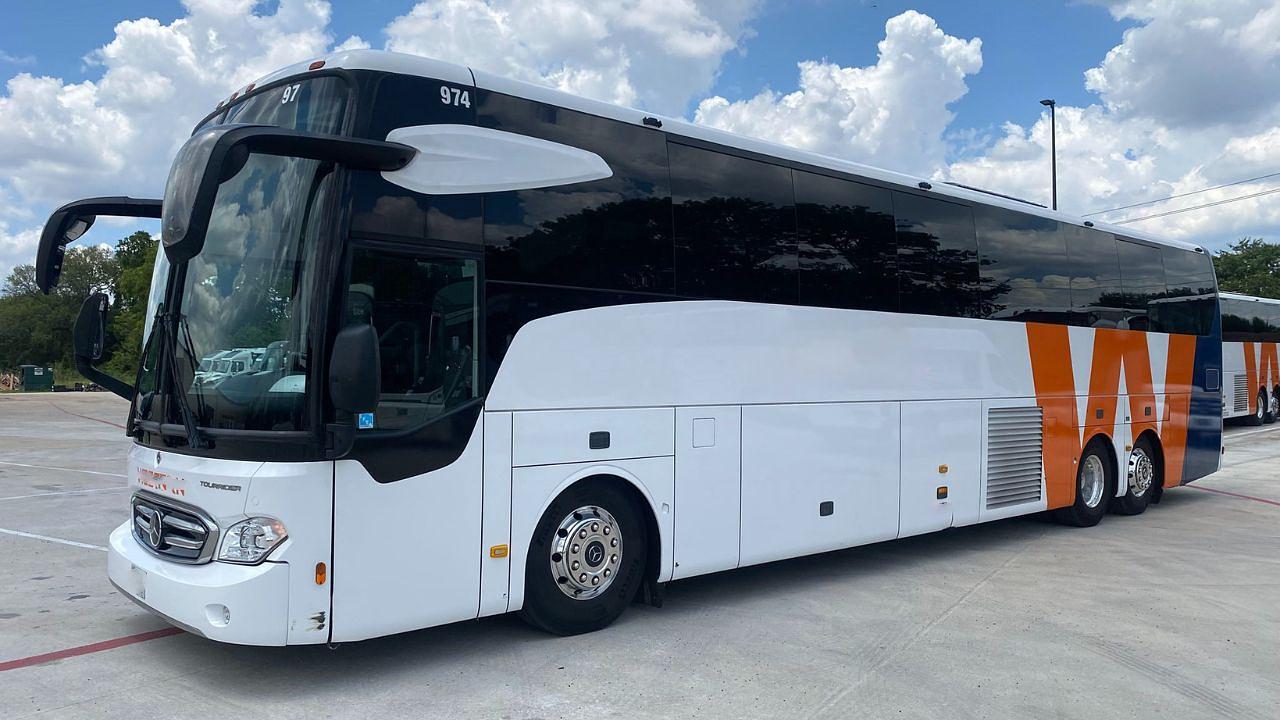
The first vehicle gets you started. The second one changes everything about how you run this.
More staffing, more maintenance, more insurance, more scheduling to juggle. Only take that step once demand is actually there to support it.
Watch a few numbers from day one, revenue per trip, operating costs, how much you're actually using the vehicle, and your booking trends. They'll tell you when it's time to grow, and where the weak spots are.
There's more to this than just buying a vehicle. Real success comes down to the niche you pick, staying compliant, keeping an eye on costs, and actually showing up for customers the way you said you would.
Plenty of people built solid businesses starting with just one vehicle. With the right planning and the right people around you, building something that stays profitable for years is genuinely doable.
Thinking about launching a charter or motorcoach company? The Bus Coach can help you compare pre-owned coaches, walk through financing, and find equipment that actually fits what you're trying to build.
FAQs
How much does it cost to start a transportation business?
Depends entirely on the niche. A delivery business costs a lot less to launch than a charter or motorcoach company. Vehicle choice, insurance, licensing, and working capital move the needle most.
What licenses do I need?
That comes down to what kind of business you're running and where. Most commercial operators need a USDOT number, state permits, and, for interstate passenger work, FMCSA operating authority.
Is a transportation business profitable?
It can be, if you price things right and keep costs under control. Long-term, it comes down to picking the right niche, keeping vehicles maintained, and building repeat customers.
How do transportation companies find customers?
Mostly a mix of referrals, local networking, being visible online, and repeat commercial accounts. Reliable service and real relationships tend to win out over time.
Should I buy a new or used vehicle?
For most first-time operators, a well-maintained used vehicle gets you a lower upfront cost while still giving you room to grow.