
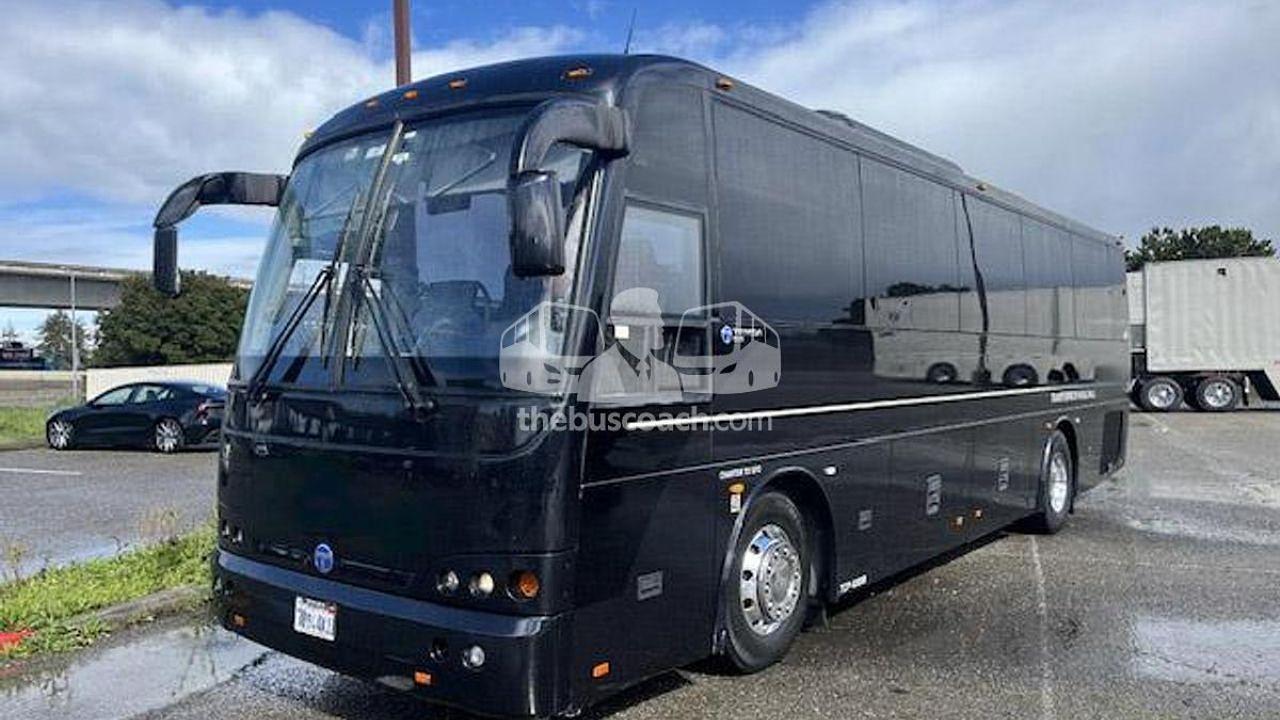
TEMSA is not the newest name in North American motorcoaches. It has become a growing presence in North American motorcoaches. Over the past decade, the company kept expanding, with coaches built for US operators, not adapted from European transit models.
Right now, TEMSA currently offers four primary motorcoach models in North America: the TS30, TS35, TS45, and the battery-electric TS45E. Each does something different, from airport shuttles to long-haul charter work.
Comparing a TEMSA with a Prevost or MCI? It usually comes down to three things. Operating costs. Passenger comfort. Long-term support. This guide walks through how each model stacks up, what a TEMSA bus price actually looks like, and what to think about before buying.
Ready to compare inventory? The Bus Coach carries inspected new and pre-owned TEMSA buses to help you find the right fit.
Why More Fleets Are Considering TEMSA
TEMSA has spent years building out its dealer network here, its service infrastructure, its parts support. Sales, service, replacement parts are all available now through TEMSA North America and its distributors. Ownership is a lot easier than it was ten years ago.
The coaches are built around what fleets actually need. Widely supported commercial components. Comfortable layouts. Monocoque construction across most of the lineup. That mix appeals to operators who want a dependable coach without the premium price tag some competing brands carry.
For a lot of fleets, reliability beats brand name. Easy maintenance, available parts, predictable costs, these usually matter more to the bottom line than what's on the front of the bus.
Four TEMSA Bus Models Worth Considering
TS35
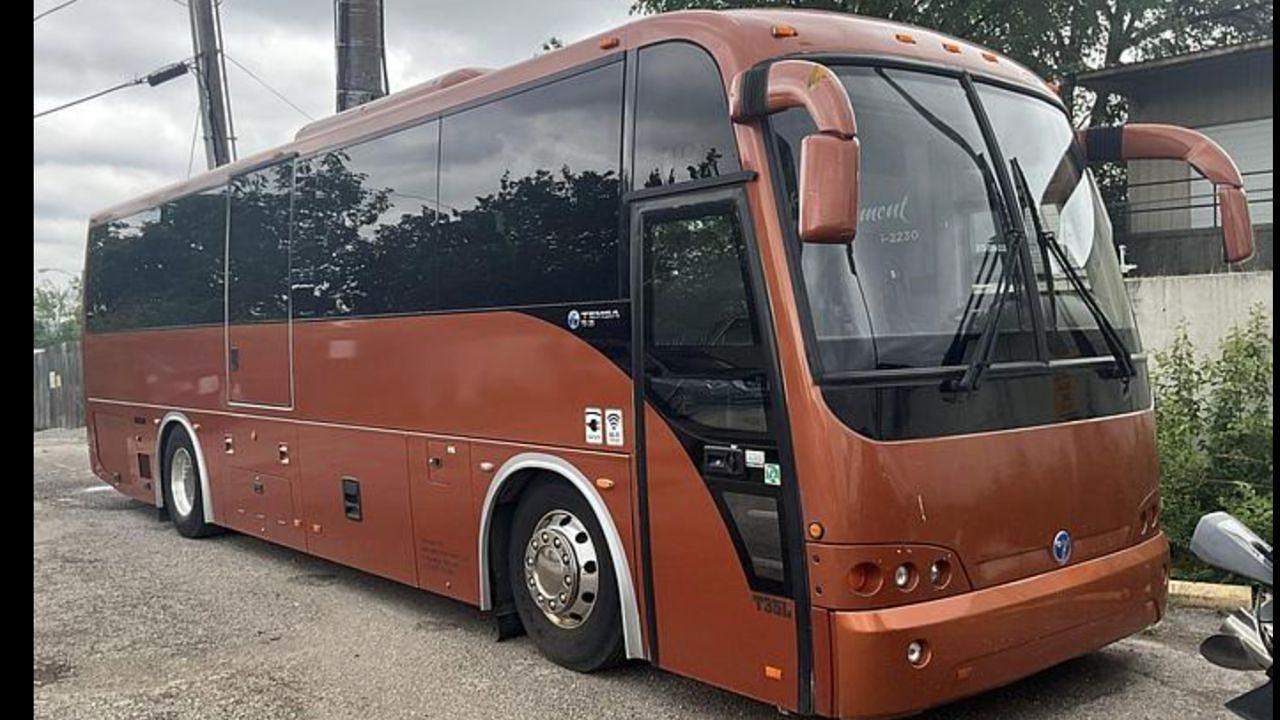
The TS30 fills a gap a lot of operators dealt with for years. Real motorcoach ride quality, but in a smaller package that handles city driving better.
Most buses this size run on a cutaway chassis. The TS30 doesn't. It uses monocoque construction instead, plus a generous luggage room. Good fit for airport transfers, corporate transportation, university shuttles, smaller charter groups.
Best for: Airport shuttles, corporate transportation, regional charters, and smaller fleets.
TS35
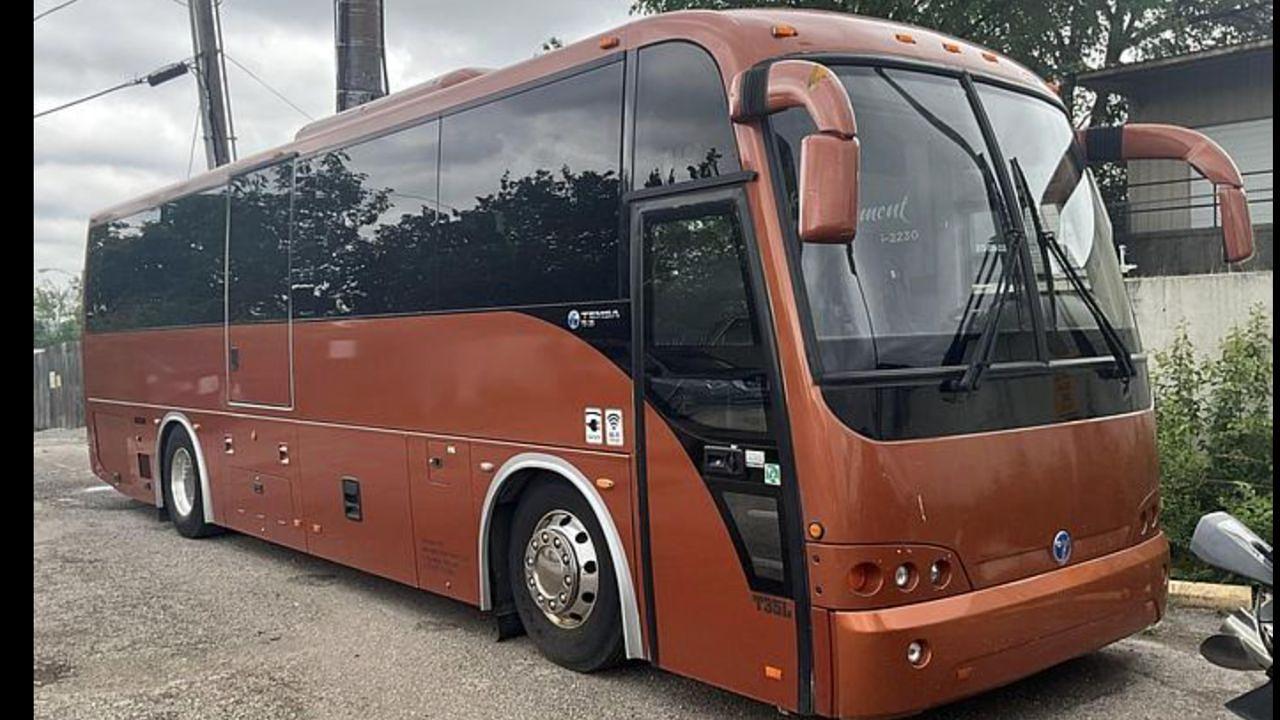
The TS35 is the model that built TEMSA's name in North America. Seats around 40 passengers, with a lot of the comfort you'd expect on a bigger coach.
Many configs come with a flushing lavatory, reclining seats, overhead storage, plenty of luggage space. If you don't need a full-size coach, this hits a strong balance between capacity and running cost.
Best for: Mid-size charter groups, sightseeing tours, hotel shuttles, and corporate travel.
TS45
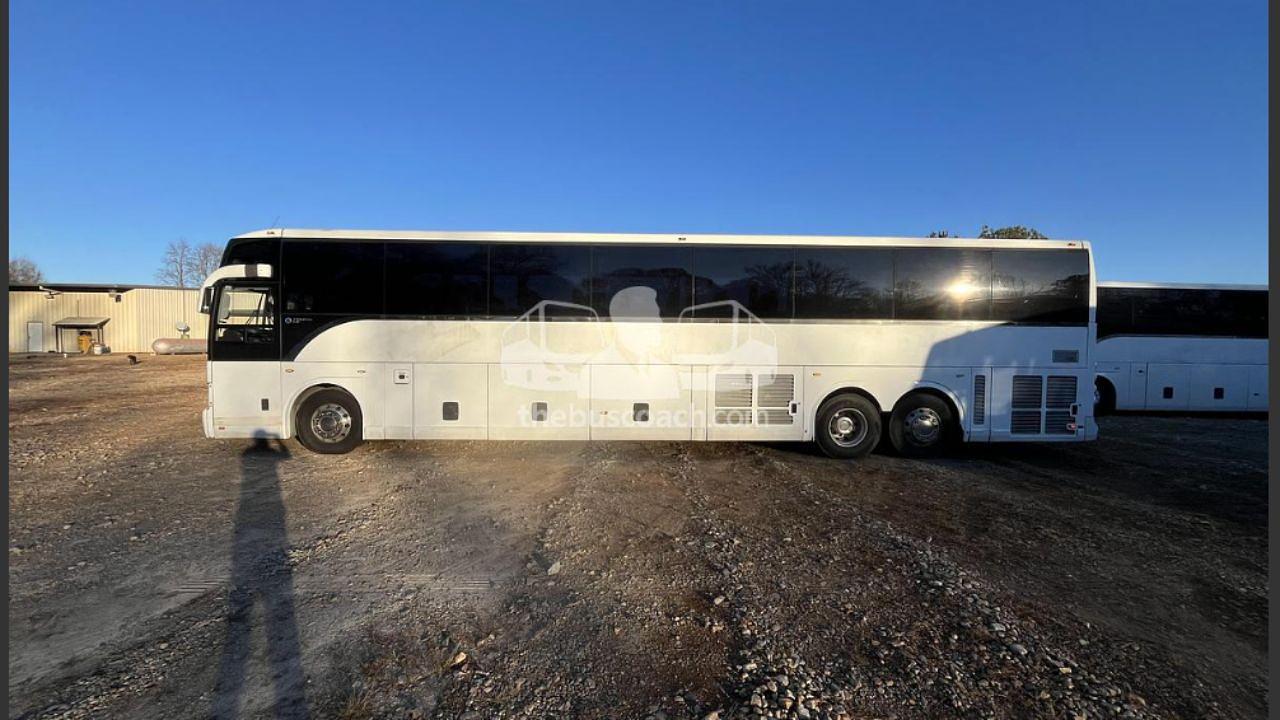
The TS45 is TEMSA's flagship, a standard 45-footer seating up to 56. Built for the everyday work most charter companies handle.
Under the hood, it runs a Cummins X12 engine and Allison automatic transmission, both widely supported across North America. That makes routine maintenance easier, even for fleets running outside big metro areas.
Comfort matters here too. Many TS45 coaches ship with a flushing lavatory as standard, something operators tend to like on multi-day trips.
Best for: Charter operators, tour companies, universities, and long-distance passenger transportation.
TS45E
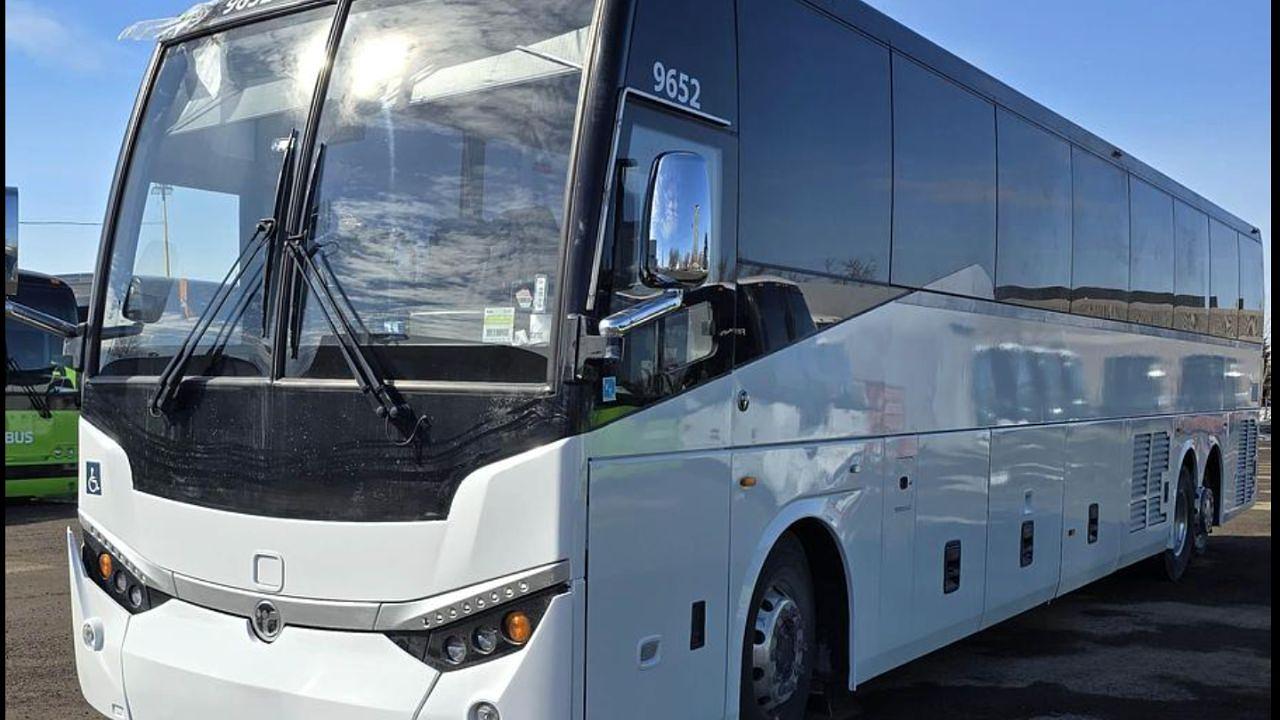
The TS45E puts battery-electric power on that same full-size platform. Built for operators moving toward zero-emission service, without giving up the comfort of a premium coach.
Actual range shifts with terrain, weather, passenger load, how you drive it. The TS45E works well on fixed routes where the charging infrastructure's already there.
Yes, it costs more upfront than diesel. Incentive programs can bring that down for fleets that qualify.
Best for: Zero-emission contracts, municipal operations, airports, and fixed-route charter services.
TEMSA Bus Price: What to Expect
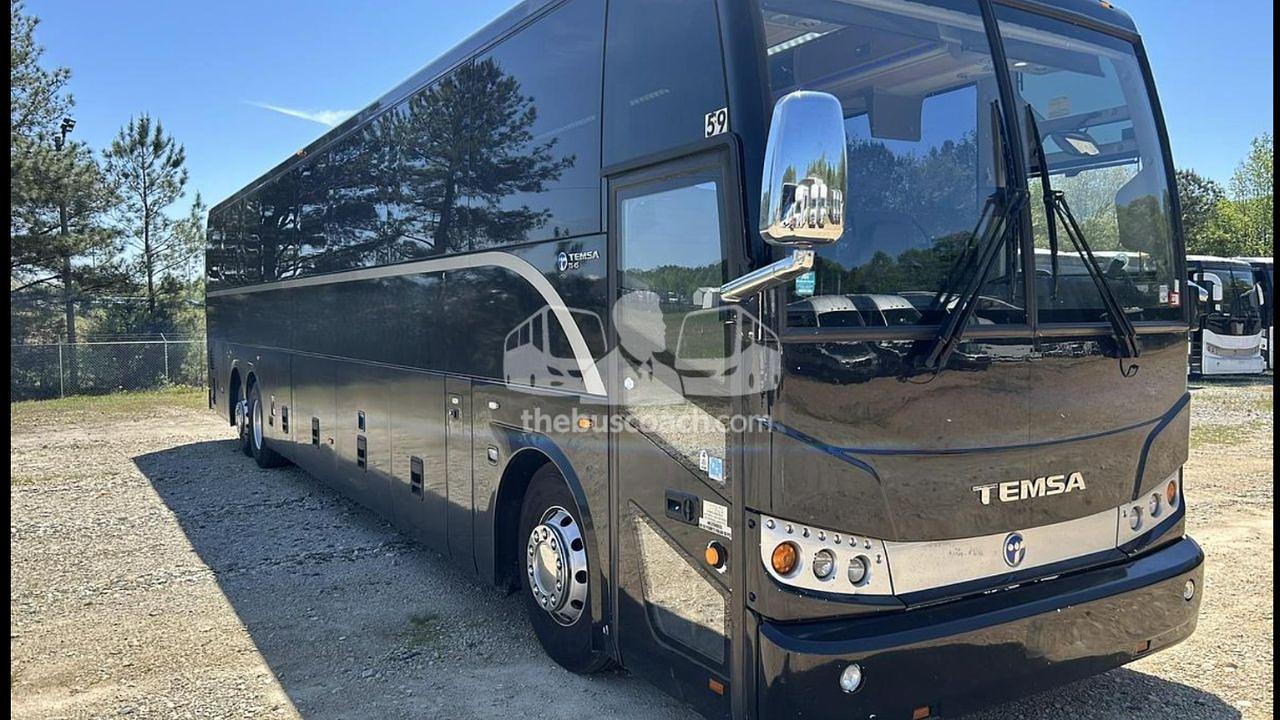
People ask about TEMSA bus prices a lot. There's no single number, since every coach gets configured differently.
Capacity, accessibility gear, electronics, seating, interior finish, all of it changes the final cost. And TEMSA prices through dealers, not a published list.
Typical market pricing:
Model: TS30
Typical New Price*: $300K–$400K
Typical Used Price*: $100K–$220K
Model: TS35
Typical New Price*: $400K–$500K
Typical Used Price*: $150K–$300K
Model: TS45
Typical New Price*: $500K–$650K
Typical Used Price*: $180K–$450K
*Estimated market pricing. Actual prices vary by specification, condition, mileage, and dealer.
Electric models cost more up front than diesel. Incentives and lower running costs can close that gap over time for some fleets.
Comparing inventory? The Bus Coach carries both new and pre-owned TEMSA buses, so you can look across model years and configurations before deciding.
TEMSA vs. Prevost vs. MCI
Every fleet has different priorities. No single winner here.
Feature: Typical New Price
TEMSA TS45: Lower
Prevost H3-45: Premium
MCI J4500: Premium
Feature: Capacity
TEMSA TS45: Up to 56
Prevost H3-45: Up to 56
MCI J4500: Up to 56
Feature: Chassis
TEMSA TS45: Monocoque
Prevost H3-45: Monocoque
MCI J4500: Monocoque
Feature: Service Support
TEMSA TS45: Growing US network
Prevost H3-45: Extensive
MCI J4500: Extensive
Feature: Passenger Comfort
TEMSA TS45: High
Prevost H3-45: High
MCI J4500: High
Prevost's known for resale value and a nationwide service network. MCI's built a strong name on reliability and parts you can find anywhere.
TEMSA draws buyers looking for a modern coach at a lower price. A lot of operators also like the familiar Cummins and Allison drivetrain, since independent truck shops across North America can service it.
Don't just look at the purchase price. Look at total ownership cost. Maintenance, parts, fuel, resale, that's what really shapes the number over the life of the coach.
Buying a Used TEMSA Bus
A well-maintained used coach can be a great deal. But condition matters more than age.
Review the engine and transmission service records first. Check the suspension and brakes. Run the HVAC and see how it actually performs. If there's a wheelchair lift, cycle it. Look for corrosion or water damage. Ask for the full maintenance history.
Don't let fresh paint make the call for you. A coach with complete service records usually beats one with a maintenance history nobody can explain.
Is a TEMSA Bus Right for Your Fleet?
TEMSA buses work well for charter companies, airport transportation, tour operators, universities, and corporate shuttle services.
Mostly running school routes or short local trips? A smaller commercial bus might cost less to operate. Plenty of successful operators run mixed fleets, matching each vehicle to the job it's actually doing.
The goal isn't buying the most expensive coach. It's buying the one that fits your routes, your passengers, your budget.
TEMSA earned its spot in the North American market by focusing on what fleets actually need, not just growing its lineup for the sake of it. The compact TS30, the versatile TS35, the full-size TS45, the electric TS45E, each one serves a clear purpose.
Before buying, look past the sticker price. Total cost of ownership, local service support, maintenance history, that's what actually determines how the investment plays out over the years.
FAQs
Who makes TEMSA buses?
TEMSA's a commercial vehicle manufacturer, founded in Turkey in 1968. Its North American side runs through TEMSA North America and an authorized dealer and service network.
Is a TEMSA bus reliable?
A lot of operators think so, thanks to durable construction, widely supported drivetrain parts, and a growing service network across North America.
What does a TEMSA bus cost?
New TEMSA buses run roughly $300,000 for smaller models up to $650,000 or more for full-size coaches, depending on equipment.
Is the TS45E practical for daily use?
It can be, if your routes match the range and the charging infrastructure there. Works best on fixed or predictable operations.
TEMSA or Prevost?
Both build solid motorcoaches. Prevost has the bigger resale market and service network. TEMSA usually comes in cheaper with comparable comfort. Depends on what you need and where you're headed long-term.