
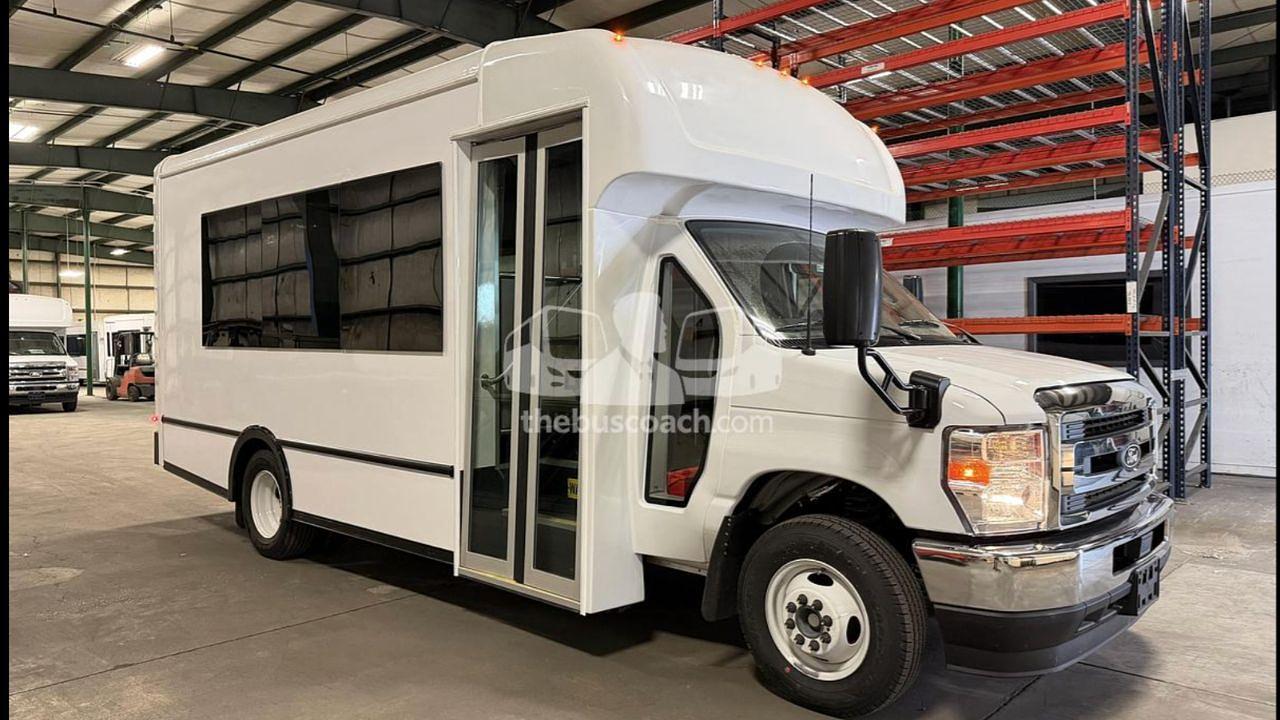
A passenger endorsement is the "P" on a commercial driver's license. It lets someone legally drive a vehicle designed to carry 16 or more people, including the driver. The requirement may seem straightforward. For charter, tour, and shuttle operators, however, it plays an important role in hiring, compliance, and day-to-day fleet operations.
Many fleet owners assume any CDL holder can drive their coaches. That assumption gets expensive fast. A driver without the right endorsement can't legally touch a full-size motorcoach. Finding that out mid-contract is a headache nobody wants. Let's break down what this endorsement actually covers, who needs one, and four things worth knowing before your next hire.
What Is a Passenger Endorsement?
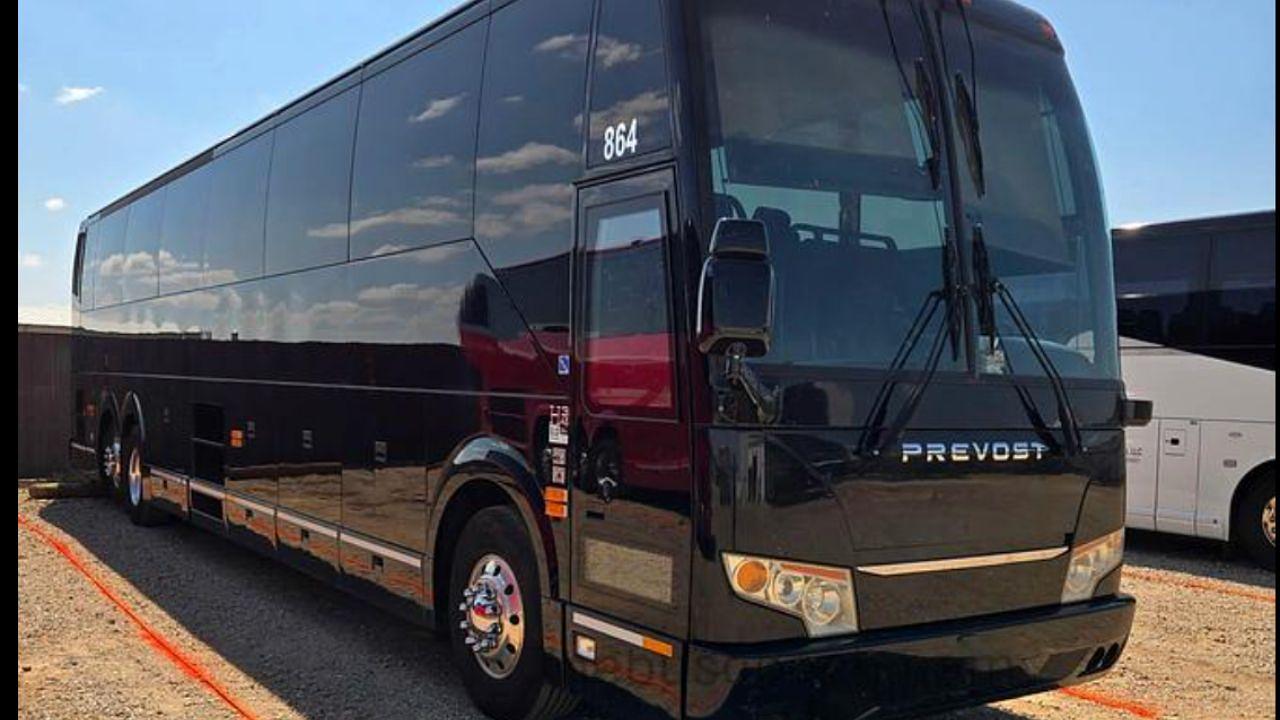
The federal government requires it for anyone driving a vehicle built for 16 or more passengers. Some states set the bar lower. That gap between federal and state rules catches more operators off guard than you would expect, especially fleets running across state lines.
Rule: Passenger threshold
Federal (FMCSA): 16+ (including driver)
California DMV: 10+ (including driver)
Rule: Applies to
Federal (FMCSA): Baseline, all states
California DMV: State-specific, stricter
Getting the endorsement means passing a written test and a driving skills test. Requirements vary by state and employer, and since February 2022, federally required Entry-Level Driver Training. None of this is busywork. It is the floor that keeps your passengers, and your business, protected.
Who Needs a Passenger Endorsement?
This is one area that often causes confusion. You need it to drive:
- City transit or commuter buses
- Charter or tour buses
- Airport or hotel shuttles
- Church or nonprofit group vehicles
Passenger endorsement vs. school bus endorsement: not the same thing. A school bus endorsement (S) covers school routes specifically. It stacks on top of the P endorsement, not instead of it. Pick up any school contracts, and you'll need both.
Which Vehicles Need a Passenger Endorsement?
Vehicle Type: Full-size charter coach
Passenger Endorsement Required?: Yes
Vehicle Type: Tour bus
Passenger Endorsement Required?: Yes
Vehicle Type: Transit bus
Passenger Endorsement Required?: Yes
Vehicle Type: Shuttle bus (16+ passenger capacity)
Passenger Endorsement Required?: Yes
Vehicle Type: School bus
Passenger Endorsement Required?: Yes (plus School Bus "S" endorsement)
Vehicle Type: 12- or 15-passenger van
Passenger Endorsement Required?: Usually no, unless state law requires it
1: Not Every Driver Needs the Same Class
A regular CDL won't cover passenger transport on its own. Add the P endorsement, and a driver can run anything from a transit bus to a full-size coach. But vehicle class still matters here.
A Class B license with a passenger endorsement covers most single-unit motorcoaches. Class A comes in when drivers tow trailers or run combination vehicles. Mix these up during hiring, and you are not dealing with a paperwork slip. You are dealing with a liability problem.
2: How Long Does It Take to Get a Passenger Endorsement?
This is the question we hear constantly from operators trying to staff up fast. For drivers who already hold a CDL, the whole thing usually takes a few days to a few weeks. Timing depends on your state and how fast tests get scheduled.
Here is the process, broken down:
- Complete ELDT passenger theory training through an FMCSA-registered provider
- Pass the written knowledge test at your state licensing agency
- Complete the skills test in an actual passenger vehicle
- Get the endorsement added once testing clears
New drivers without passenger experience should expect two to four weeks. Testing centers get backed up during busy seasons too. Planning ahead for summer tour season or a new shuttle contract? Start recruiting early. Waiting until you're short-staffed puts you in a bad spot.
3: The Training Covers More Than Driving Skills
People think this endorsement is mostly about handling a bigger vehicle. That's part of it. But it's not the whole picture. Training covers passenger safety, emergency exits, and managing boarding without chaos.
Think about a real route for a second. A driver might help an elderly passenger down uneven steps, calm a crowded bus during a hard stop or evacuate everyone fast if something breaks down. None of that comes naturally. It gets trained into drivers.
The training covers:
- Securing passengers and keeping order during transit
- Safe operation of emergency exits and evacuation steps
- Handling wider turns and longer stopping distances
- Pre-trip checks that catch problems before they start
You could own the newest coach on the lot. It's still only as safe as the person driving it.
4: It Directly Affects Your Fleet Decisions
Here is where this ties into the business side. Every vehicle you add means another staffing need. A brand-new 56-passenger coach does nothing for you without enough P-endorsed drivers to run it on your busiest weekends.
Some operators buy vehicles before expanding their driver pool. It creates a scramble. Suddenly you are paying overtime. You start turning down work. Some weekends, there simply isn't anyone available to drive the coach. Nobody is licensed to take the wheel. Before your next purchase, ask yourself:
- Do I have enough licensed drivers for peak season, without burning out my team?
- Would training current staff make more sense than hiring outside?
- Does this next vehicle match the driver capacity I actually have?
Common Passenger Endorsement Mistakes Employers Make
Most compliance problems don't happen because someone ignores the rules. They happen because people make small assumptions. One missed detail during hiring or scheduling can create expensive problems later.
Here are a few mistakes experienced fleet managers try to avoid.
(i) Assuming Every CDL Holder Has a Passenger Endorsement
A CDL does not automatically include a passenger endorsement.
Many drivers hold a commercial license for trucks or other commercial vehicles but have never completed the testing required for passenger transport.
Before assigning a driver to a coach, verify the license instead of assuming it includes the right endorsements. A quick check today can prevent canceled trips and compliance issues later.
(ii) Forgetting to Check State-Specific Requirements
Federal rules provide the baseline. States can add stricter requirements.
California is one example, but it is not the only state with additional licensing rules or procedures.
If your fleet crosses state lines or operates in several states, review local requirements regularly. Keeping up with rule changes is much easier than fixing a compliance issue after an inspection.
(iii) Hiring Before Verifying ELDT Completion
From February 2022, new applicants for a passenger endorsement must complete Entry-Level Driver Training (ELDT) through an FMCSA-registered provider before taking the required skills test.
Some employers assume a driver has already completed this step.
It is worth confirming during the hiring process. Finding out after onboarding only delays training and pushes back your schedule.
(iv) Losing Track of License Renewals
Passenger endorsements renew with the driver's CDL, but renewal periods vary by state.
A missed renewal can leave a qualified driver temporarily unable to operate a passenger vehicle.
Many fleets use reminders or digital compliance software to track expiration dates before they become a problem.
(v) Waiting Until Peak Season to Recruit
Summer tours, sports travel, and holiday charters all increase demand for qualified drivers.
If you begin recruiting only after your calendar fills up, you may struggle to find drivers with the right qualifications.
Building your driver pipeline throughout the year gives your business more flexibility when demand rises.
Planning Your Fleet's Driver Pipeline
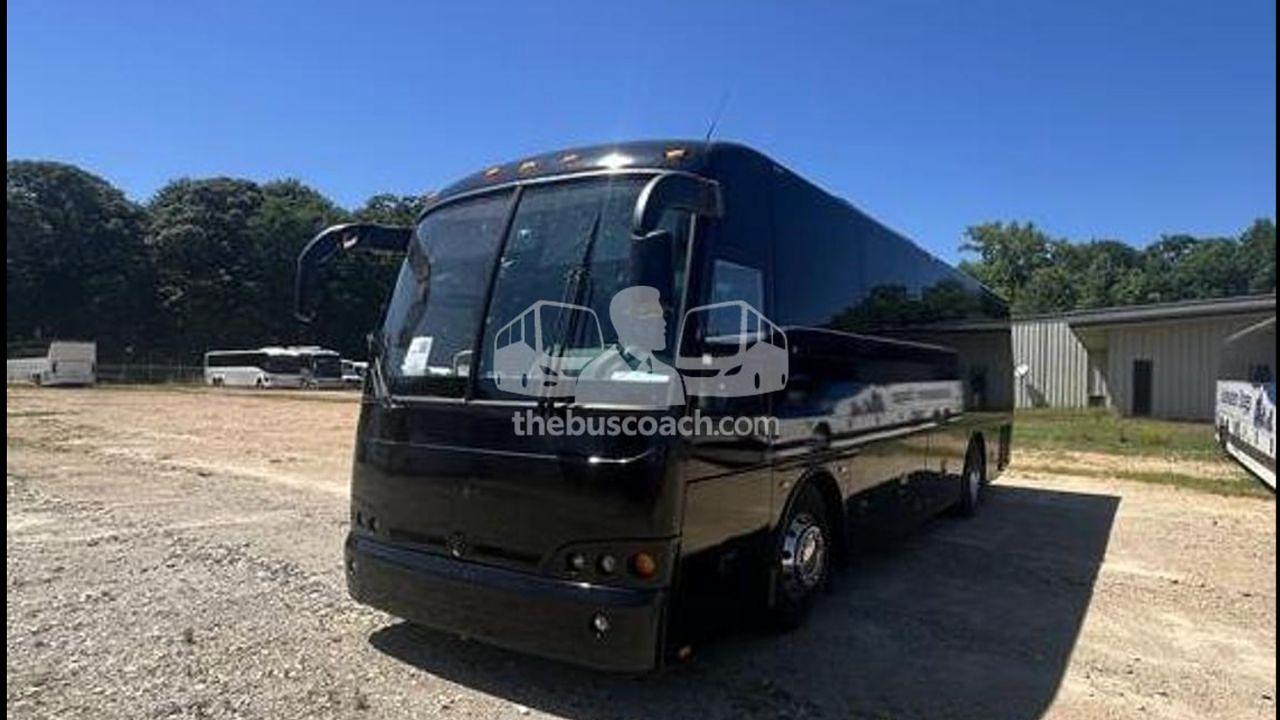
A passenger endorsement isn't just a box to check. It signals a driver's been trained, tested, and vetted to handle real responsibility on the road. Knowing what it covers, how long it takes, and how it connects to staffing saves you from costly surprises later.
Expanding into a new shuttle contract? Adding another coach for tour season? Your drivers and your vehicles need to grow together. So here's the real question: is your driver pipeline actually keeping pace with your fleet? Or are you one contract away from finding out the hard way?
FAQs: Passenger Endorsement Basics
Do all CDL holders need a passenger endorsement?
No. Only drivers running vehicles built for 16 or more people (10+ in states like California) need one added.
Does a passenger endorsement expire?
It generally renews with your CDL based on your state's licensing schedule, depending on the state. Renewal requirements vary by state.
Can a driver hold both a school bus and passenger endorsement?
Yes. Plenty of drivers carry both if their routes mix school contracts with standard charter or transit work.