
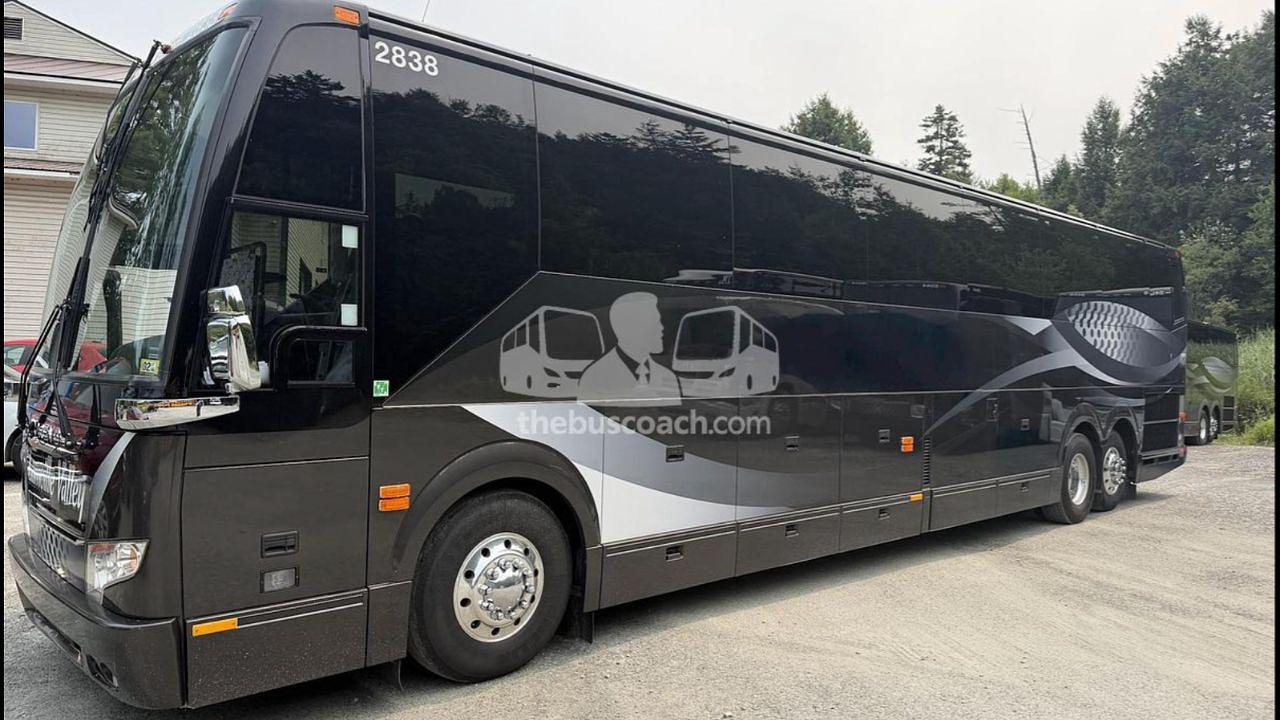
A typical full-size coach seats 55 to 56 passengers. That's the quick answer. But the real number depends on the bus type and layout. Planning a trip? Sizing a fleet? That range covers most cases. The details still matter for a good fit.
At The Bus Coach, we hear this question all the time. Operators want to know what actually works for their routes and clients. Getting it right upfront saves you from overbooking or buying a bus that spends more time parked than earning money.
The Quick Answer
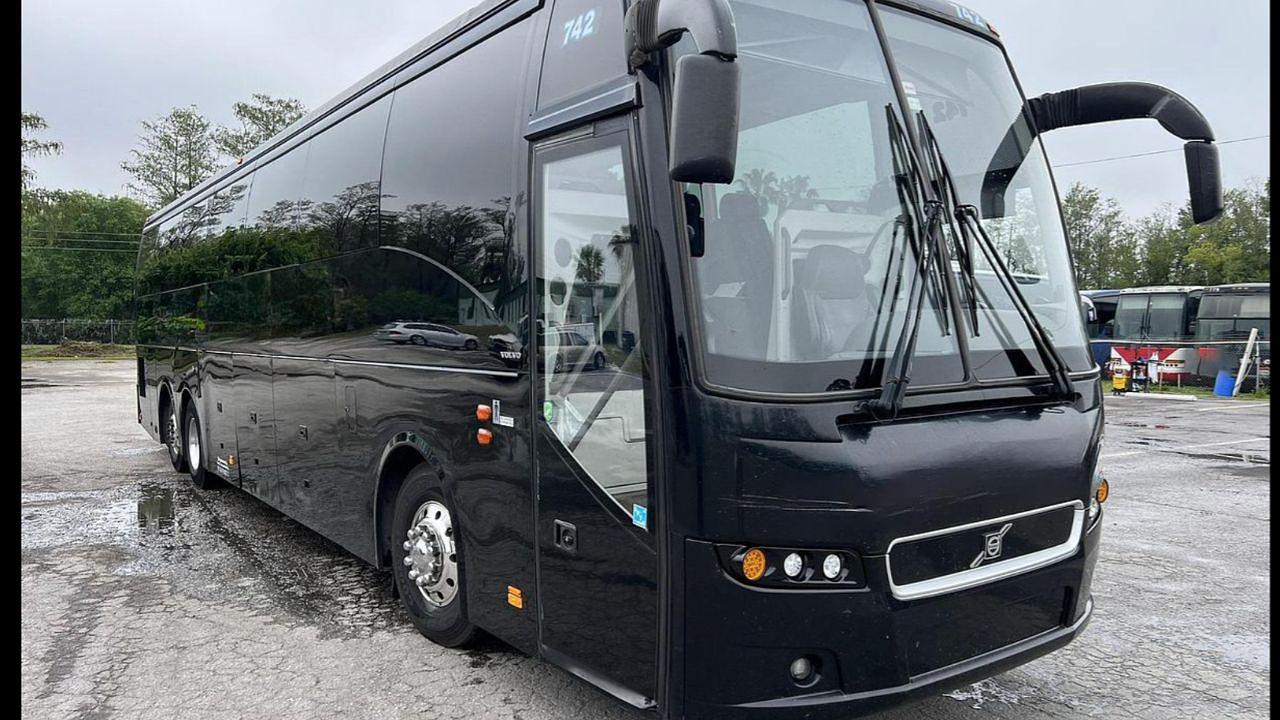
Most full-size motorcoaches in the US seat 55 to 56 passengers. That's the standard setup. It is the sweet spot for charter work, tours, and line runs. It is also the most common layout on the resale market.
Some premium charter layouts reduce occupancy to improve legroom and comfort. Others pack in more with a tighter layout. For planning purposes, stick with 55 to 56 as your baseline number.
Coach Bus Size Comparison
Not every coach bus is built for the same job. Some work best for airport shuttles. Others are designed for long-distance charters or large tour groups. Comparing sizes makes it much easier to choose the right vehicle.
Bus Type: Cutaway bus
Typical Seating: 12–25 passengers
Best For: Airport shuttles, hotels, senior transport
Bus Type: Mini coach
Typical Seating: 24–35 passengers
Best For: Small tours, corporate groups
Bus Type: Mid-size coach
Typical Seating: 36–48 passengers
Best For: Medium-sized events and regional trips
Bus Type: Full-size coach
Typical Seating: 55–56 passengers
Best For: Charter buses, sports teams, long-distance travel
Bus Type: Double-decker coach
Typical Seating: 70–81 passengers
Best For: High-capacity tours and sightseeing
The biggest bus isn't always the smartest choice. If you are running smaller groups every week, paying to move empty seats doesn't make much business sense. The best coach is the one that matches your routes and passenger demand.
1. Capacity Shifts With Bus Type
Not every "coach bus" means the same thing. Size and layout change the headcount fast.
- Full-size coach: 55 to 56 seats, the standard.
- Mini coach: 24 to 35 seats, fits smaller groups.
- Mid-size coach: 36 to 48 seats, a middle option.
- Double-decker: Usually 70 to 80 seats (depending on layout), for high-capacity routes.
- Shuttle or cutaway: Usually seat 12 to 35 passengers (depending on body length), common for airports.
Booking a trip? Match the bus to your group. Building a fleet? Think about the jobs you win most.
2. What Actually Affects Capacity
Capacity isn't just rows of seats. A few small choices shift the count more than you'd think.
- Lavatory: A bigger restroom eats up a whole row.
- Luggage: More underfloor storage often means fewer seats.
- ADA lift: The lift and securement space cuts capacity too.
- Comfort layout: Extra legroom or wider seats lowers the count.
- Special features: Tables or a galley remove seats too.
That's why two buses the same length can seat different numbers. Layout drives the count more than length does.
3. Picking the Right Size
A little planning pays off here. Ask yourself a few things first.
- How many people actually need to ride?
- Could that number grow later?
- Do you want extra legroom or a premium feel?
- Is the group hauling heavy luggage or gear?
- Do you need a restroom on board?
These questions steer you toward the right bus. They also help you avoid a classic mistake. Squeezing a group into something too small.
4. Standard vs. Custom Layouts
A typical 55 to 56 seat layout is the most flexible option. It handles nearly any job that comes your way. It is often easier to resell because more buyers look for standard seating layouts, since buyers want familiar setups.
Custom layouts make sense once you've found your niche. Running premium tours? Pull a row for extra legroom. Running high-volume routes instead? Push the seat count higher. For mixed work though, standard usually wins.
When a Standard Coach Makes Sense
Many first-time buyers wonder whether they should customize the interior. In most cases, the answer is simple. Start with a standard layout unless your business has a very specific need.
A standard 55 or 56-passenger coach gives you the most flexibility. You can handle school trips one day, corporate charters the next, and sports teams over the weekend. That flexibility often leads to more booking opportunities.
Custom layouts work well for luxury tours, executive travel, or VIP transportation. Extra legroom, tables, or fewer seats can improve passenger comfort. The trade-off is that fewer buyers want those configurations later, which can make resale more difficult.
If your fleet is still growing, a standard coach usually offers the best balance between versatility, operating efficiency, and long-term value.
5. Comfort, Budget, and Brand Image
Passenger count is important, but it isn't everything. Comfort matters too. The same goes for operating costs. A full-size coach costs more than a cutaway, but passengers usually notice the difference on longer trips.
For budget runs, like ski trips or school athletics, a cheaper bus works fine. For premium charters, a coach is usually the smarter fit. Many operators split their fleet into two groups. "Nice trip" buses and "budget trip" buses. That keeps costs down without upsetting clients.
6. What This Looks Like in Real Life
People asking this question usually mean something simpler. "How many should we actually book?" The safe move is planning around rated capacity. Not the "we can squeeze one more in" count.
Getting close to the limit? A few options worth trying:
- Add a second bus for comfort and safety.
- Go bigger if luggage is heavy.
- Use a mini or mid-size coach for small groups.
- Stick with a common layout for resale flexibility.
At The Bus Coach, operators do best when they match the bus to the job. Get that fit right, and you get fewer headaches. Happier clients too.
Why This Matters for Fleet Planning
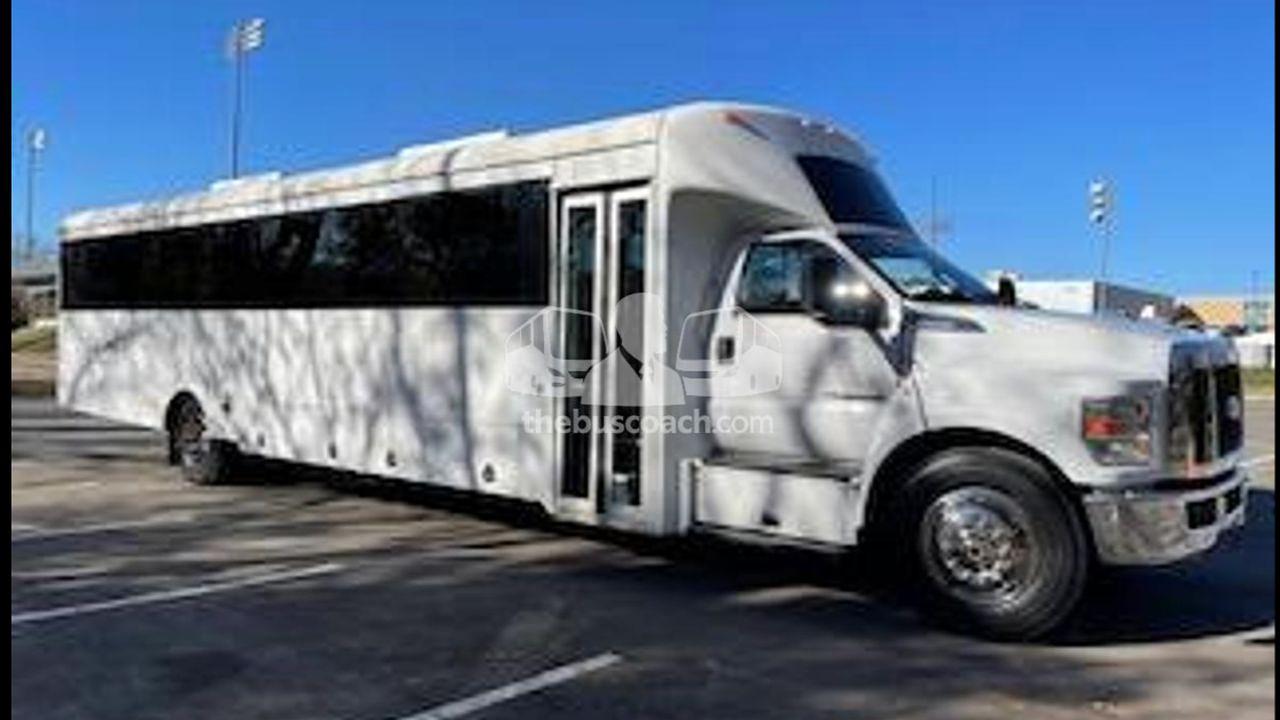
Capacity affects more than one trip. It shapes your whole fleet strategy. Run mostly standard jobs? A 55 to 56 seat coach covers nearly everything. Run niche routes instead? A custom layout might make more sense.
For smaller operators, a standard coach is often the smartest first buy. It fits most jobs that come along. It gives you the flexibility to take on a wider range of charter work. And it holds value better at resale time.
A Few Smart Planning Notes
Before you book or buy, run through this:
- Do you need a restroom on board?
- Will the group carry a lot of gear?
- Do you want extra legroom or something premium?
- Is this a one-off trip or a regular route?
- Are you planning to resell this bus later?
These questions separate a decent plan from a genuinely good one.
One Last Thing
A coach bus isn't just a seat count. It is a tool for running your business. Getting the capacity right makes trips smoother. It makes clients happier and resale easier too.
Keep these basics in mind, and you can size your bus the right way. Still unsure where to land? A quick chat with a specialist can clear things up fast.
FAQs
How many people fit on a standard coach bus?
A standard full-size coach bus usually seats 55 to 56 passengers. Some luxury coaches seat fewer people to provide extra legroom, wider seats, or premium features. Always confirm the seating layout before booking or purchasing because configurations vary by manufacturer and operator.
Does a restroom reduce seating capacity?
Yes, it can. A larger onboard restroom takes up interior space that could otherwise be used for seating. Most reductions are small, but luxury coaches with larger lavatories or premium interiors often carry fewer passengers than standard layouts.
Can a coach bus carry luggage for every passenger?
Most full-size coaches include spacious luggage bays designed for suitcases and travel bags. However, oversized equipment like skis, bicycles, band instruments, or sports gear may require additional storage or even a separate baggage trailer.
Should I buy a standard or custom coach layout?
For most fleet operators, a standard layout offers the greatest flexibility. It works well for corporate charters, school trips, tours, and sports teams while also holding stronger resale appeal. Custom interiors make more sense when your business focuses on premium or executive transportation.
Is a bigger coach always the better choice?
Not necessarily. Buying more seats than you regularly need increases operating costs without adding value. Matching the coach size to your average group size usually improves profitability, fuel efficiency, and fleet utilization over time.