
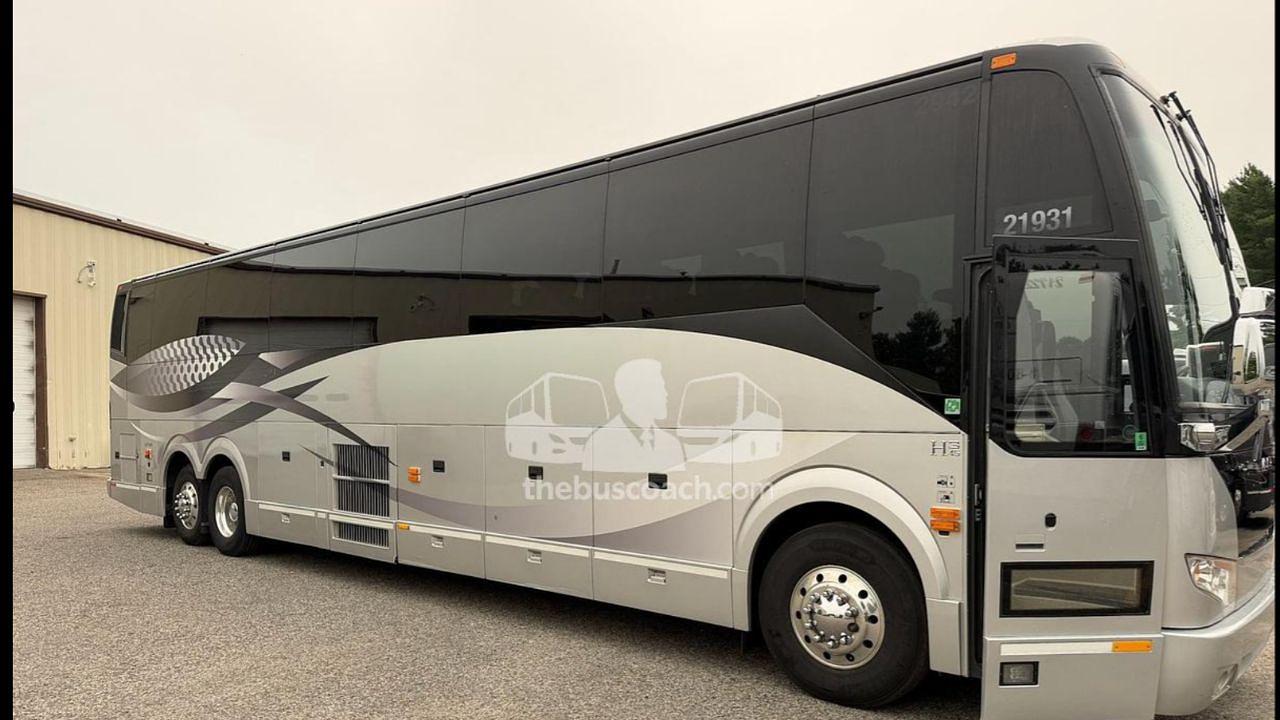
A standard full-size coach seats 55 to 56 passengers. That is the number most operators build around. But the real answer depends on the model and layout. And what features get added inside. Buying your next vehicle? Bidding on a new contract? That range is your starting point.
At The Bus Coach, fleet owners ask us this all the time. They want a number they can plan around. Not a vague guess. Getting this right upfront saves you from turning down a job. Or overpaying for capacity you'll rarely use.
How Many Seats Are There on a Coach Bus? The Quick Answer
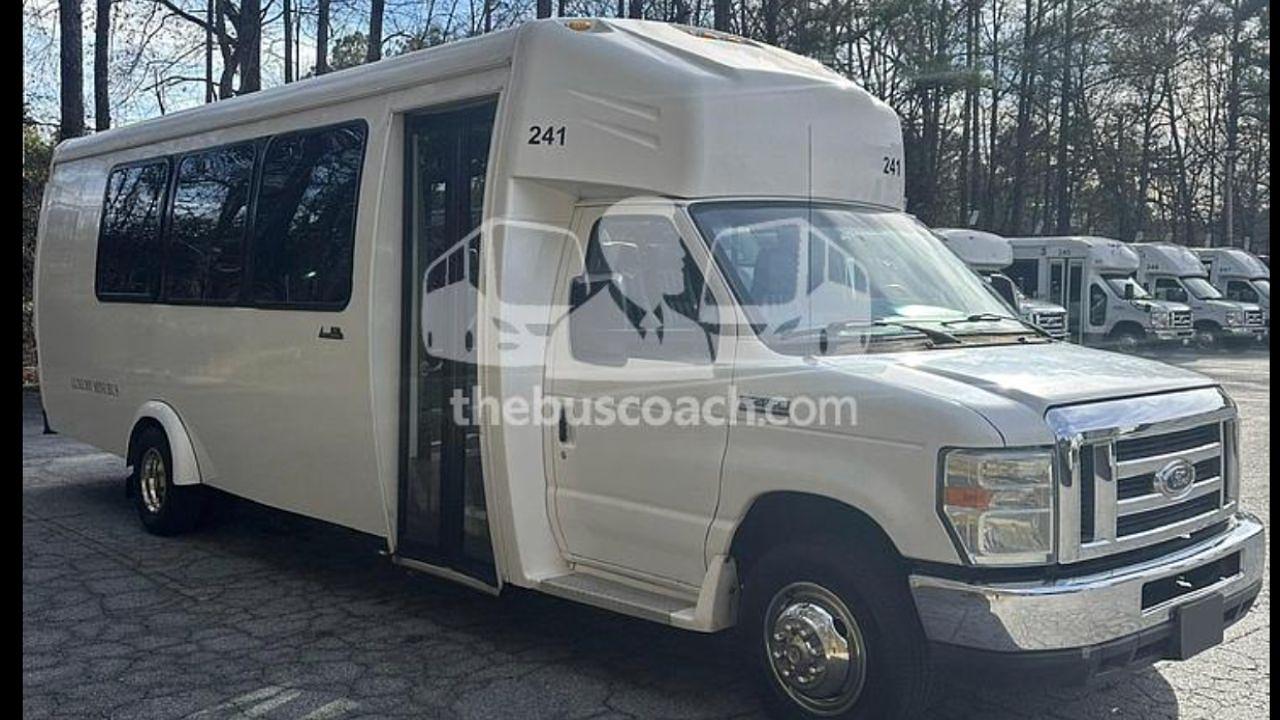
Most full-size motorcoaches in the US carry 55 to 56 passengers. That's the standard configuration. It fits nearly every job type. That configuration works well for charters, tours, corporate shuttles, and scheduled line runs.
For smaller or newer operators, sticking with this size makes sense. IIt allows you to compete for a wider variety of charter work. It also lets you help other companies when they're sold out during peak season.
Coach Bus Seating Comparison
Bus Type: Cutaway
Seats: 12–25
Best For: Airport, hotels
Bus Type: Mini coach
Seats: 24–35
Best For: Small groups
Bus Type: Mid-size
Seats: 36–48
Best For: Regional charters
Bus Type: Full-size
Seats: 55–56
Best For: Tours, charter
Bus Type: Double-decker
Seats: 70–81
Best For: Large events
1. How Many Seats Are on a Coach Bus by Type?
Not every bus labeled "coach" carries the same number of people. Size and configuration shift the headcount fast. Knowing the range helps you match the vehicle to the job.
Bus Type: Full-size coach
Typical Seating: 55 to 56 seats
Bus Type: Mid-size coach
Typical Seating: 36 to 48 seats
Bus Type: Mini coach
Typical Seating: 24 to 35 seats
Bus Type: Double-decker
Typical Seating: 70 to 80 seats
Bus Type: Shuttle or cutaway
Typical Seating: 12 to 35 seats
Bidding on contracts regularly? Think hard before drifting from the 55 to 56 seat standard. Odd-sized buses work for niche routes. But they limit your flexibility. And they hurt resale value down the line.
2. What Actually Shrinks Seat Count
Seating capacity depends on more than simply adding rows of seats. A few design choices quietly eat into the total. This is where buyers often get surprised later.
- Lavatory: Adding a restroom usually reduces seating capacity, although the exact number varies by manufacturer and interior configuration.
- Luggage bays: More underfloor storage often means fewer seats.
- ADA lift and securement: Wheelchair access takes real floor space.
- Legroom upgrades: Wider row spacing lowers total capacity.
- Onboard features: Tables or crew space remove seats too.
Not all lavatories work the same way either. Restroom systems vary by manufacturer and customer specification. Some coaches use flushing systems, while others rely on non-flushing designs. If onboard restroom features matter, confirm the specifications before purchasing or booking. A flushing system with an auxiliary tank helps on multi-day trips. No need to service the lav mid-route.
3. Seat Belts, ADA Access, and Safety Rules
Seat count isn't purely a comfort decision. It's a regulated one. Federal rules require motorcoach seat belts. ADA compliance mandates dedicated wheelchair securement space on many routes. That space comes straight out of your seating capacity.
This matters when comparing vehicles. A bus advertised at 56 seats without ADA provisions isn't the same as one built for full accessibility. Before booking or buying, confirm the safety documentation. Check the seat belt policy and lift capability too. Don't assume every "56-seat" bus is identical.
4. Match the Bus to the Group
Here is where the numbers get useful. A quick way to think about it:
- Wedding party of 15 to 25: A mini coach handles this well.
- School trip of 45 to 56: A typical full-size coach fits best.
- Corporate event or sports team of 60+: Go with a double-decker, or two standard coaches.
- Airport or hotel shuttle runs: A cutaway in the 20 to 32 range usually works.
Before booking a trip or adding a vehicle, ask yourself a few things:
- How many people need to ride, and could that grow before departure?
- Does the group need extra legroom or a premium feel?
- Will this route need a restroom for longer stretches?
- Is this a one-off charter, or part of a recurring contract?
5. Standard vs. Custom Layouts
A standard 55 to 56 seat coach is the most flexible choice for most operators. It handles almost any job. It also holds resale value better, since buyers already know how to run it.
Custom layouts have their place. Usually once you've built a steady niche. Running premium tours regularly? Pulling a row for extra legroom can become a real selling point. Running high-volume routes instead? Pushing seat capacity higher might make more sense. For operators still building their business, standard wins nearly every time.
6. Comfort, Cost, and Where a Coach Fits
Seat capacity only tells half the story. Comfort and operating cost matter just as much. And they tend to move in opposite directions. A full-size coach delivers the best comfort and strongest brand image. But it costs more to run than a school bus or large cutaway.
For budget-focused trips, ski runs, line-haul routes, or school athletics, a cheaper vehicle often does the job fine. For premium charters and corporate work, a coach is usually the smarter call. Many established operators split their fleet this way on purpose. Nicer buses for premium jobs. Budget-friendly options for price-sensitive trips. Many operators buy used buses for budget routes and reserve newer coaches for premium work. It saves room for the premium coaches your top clients expect.
What This Means for Your Whole Fleet
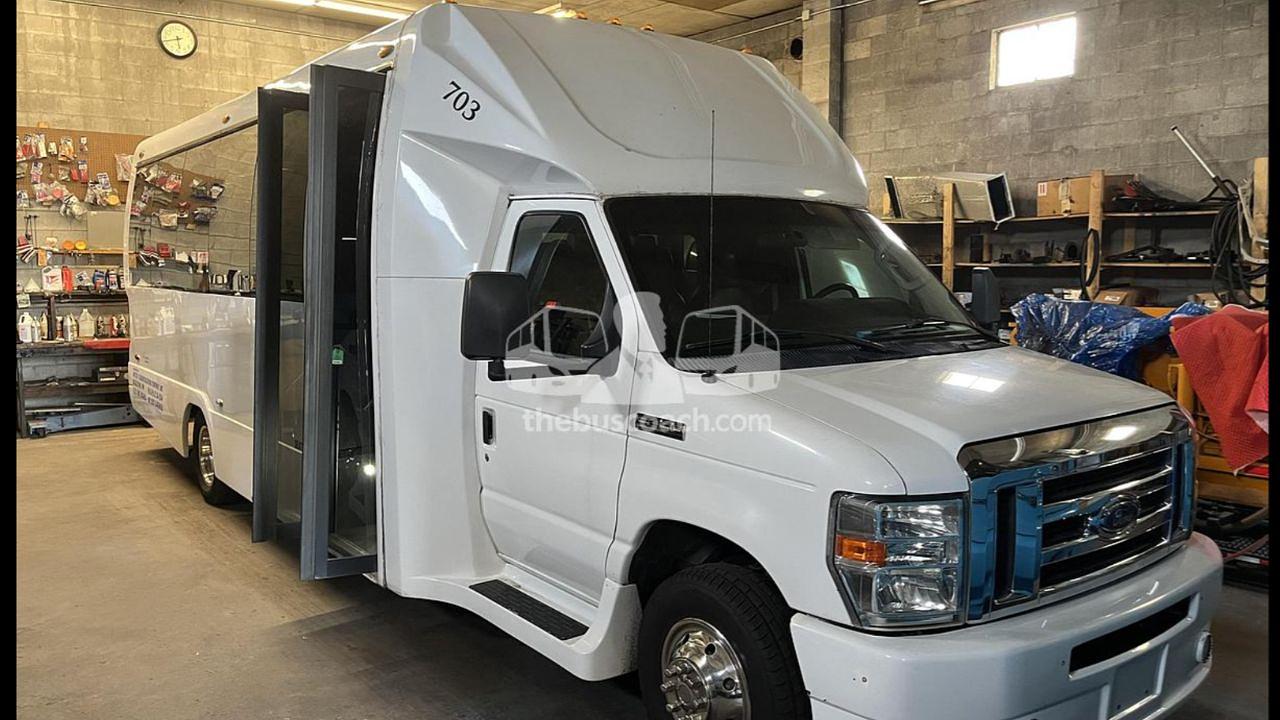
Seat count shapes more than a single trip. It influences how efficiently your fleet operates throughout the year. Most of your work is standard charter and tour business? A 55 to 56 seat coach covers nearly everything. If you mainly operate niche routes with steady demand, a custom configuration may make more sense. A custom layout can genuinely make sense.
Still growing your fleet? Stick with the standard size early on. It gives you the most room to say yes to new contracts. It's also the layout that resells fastest when it's time to upgrade.
A coach bus isn't just a seat count on a spec sheet. It's a working asset. One that either fits your business or fights against it every day it's on the road. So before your next purchase, ask yourself this: is your fleet built around the jobs you want? Or the jobs you happened to end up with?
FAQs: Coach Bus Seating
How many people fit on a coach bus?
Most full-size coaches fit 55 to 56 people. Mini coaches fit 24 to 35. Double-deckers carry up to 80.
Does a coach bus seat count include the driver?
Usually not. Advertised seat counts typically mean passenger seats. The driver's seat gets counted separately.
How many seats does a coach lose for a restroom?
Adding a lavatory usually costs one to two rows. That's roughly four to six seats, depending on the model.