
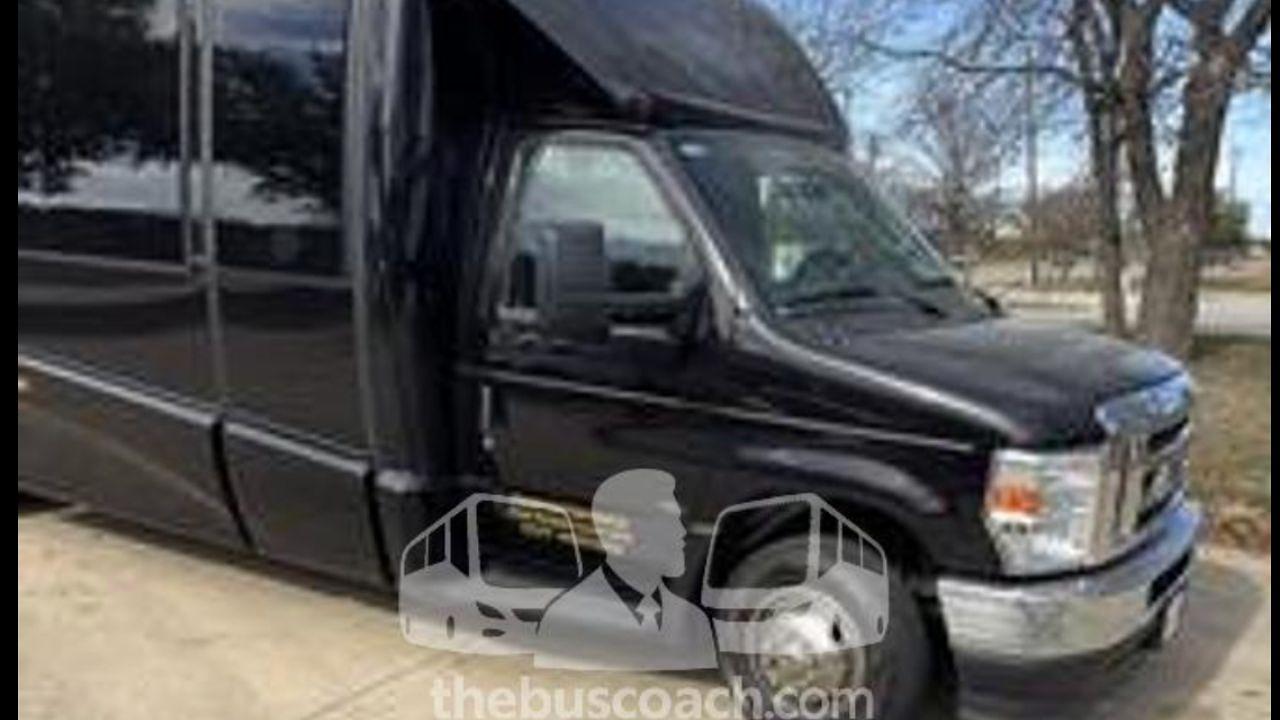
Adding a mini coach to your fleet sounds straightforward until you start looking at the details. Passenger capacity is only part of the decision. You also need to think about the routes you will run, how often the vehicle will be used, maintenance, operating costs, and whether the bus actually fits the work you expect it to do.
A good-looking vehicle at a good price isn't necessarily a good fleet investment. Before you buy, there are a few questions worth asking. Adding a mini coach to your fleet looks simple right up until you sit with the actual numbers, and then it isn't simple at all. Capacity's the easy part. Routes, utilization, upkeep, resale, the stuff that doesn't show up in a photo, that's where deals go sideways months later.
A mini coach fills a real gap between shuttle vans and full-size motorcoaches, and getting the size right means you are not dragging a 56-seater onto jobs that never needed one. But size is really just the opening question. Who are you actually carrying? How often does the thing run? What does it cost to keep road-ready, and does it even earn a spot next to the rest of your fleet or just take up space?
Mostly comes down to headcount, if we are honest.
Vehicle: Shuttle van
Capacity: 8–15
Best For: Small groups, short trips
Vehicle: Mini coach
Capacity: 25–34
Best For: Weddings, shuttles, tours
Vehicle: Full-size motorcoach
Capacity: 55–56
Best For: Larger groups, longer hauls
Running 25 to 35 passengers on most jobs? You are probably overpaying the second you jump to something bigger. Worth a look at what The Bus Coach carries in that bracket before you lock anything in.
10 Questions

1.What Passenger Loads Will This Vehicle Actually Handle?
Start with your typical passenger count, not the vehicle's maximum advertised capacity. Compare the seating layout with your real-world routes, luggage needs, accessibility requirements, and peak demand.
2.What Driver Requirements Apply?
Confirm the license, passenger endorsement, training, and other driver requirements that apply to the vehicle in your operating jurisdiction. Make sure your current drivers meet those requirements before purchasing.
3.What Insurance and Compliance Rules Actually Apply Here?
These vary by state and by how the vehicle's used. One coverage number rarely protects you everywhere you'll drive it.
4.Does It Fit The Routes You Actually Run?
This one gets skipped constantly, and it is the one that bites hardest. A coach can look perfect on paper and still choke on your turning radius or that one parking lot every driver in town complains about.
5.What Will Maintenance Look Like?
Ask about recommended service intervals, common wear items, maintenance schedules, and expected downtime. You should also understand what routine maintenance your team can handle and what requires an authorized service center.
6.Will It Earn Its Place In The Fleet, or Just Sit There Looking Expensive?
Look at how often it will actually run and what job it is replacing. If the demand is not real, the bus becomes a very costly ornament, and nobody wants to explain that at the next board meeting.
7.What Is The Total Cost of Ownership?
Don't stop at the purchase price. Add up fuel, insurance, tires, financing, and depreciation before comparing offers. The cheaper vehicle upfront isn't always the cheaper vehicle to operate.
8.What Are The Purchase, Warranty, and Delivery Terms?
Get the complete purchase price and terms in writing. Confirm what is included, the warranty coverage, expected delivery timeline, payment requirements, and what happens if delivery is delayed.
9.Where Do You Actually Get Parts and Service?
Find out where warranty work happens and how long a repair really takes, not the number they quote you on day one.
10 . Will This Still Make Sense In Three Years, or Are You Buying for a Route That Might Not Exist By Then?
A good purchase solves today's problem without quietly becoming next year's mismatch.
Keep the paper trail, too. A verbal quote is easy to forget by delivery day, and purchase price, specifications, warranty coverage, every fee, all of it should live somewhere your team can actually find it later, not buried in somebody's inbox from six months ago.
Pricing itself swings with size, mileage, season, region, and who you are buying from, so get an itemized quote instead of trusting a single number someone rattles off over the phone. Ask if the rate is locked or if it could move before delivery. A locked number is worth more than it looks like on paper. You can compare a few real examples on The Bus Coach's coach page if you want a sense of what is typical right now.
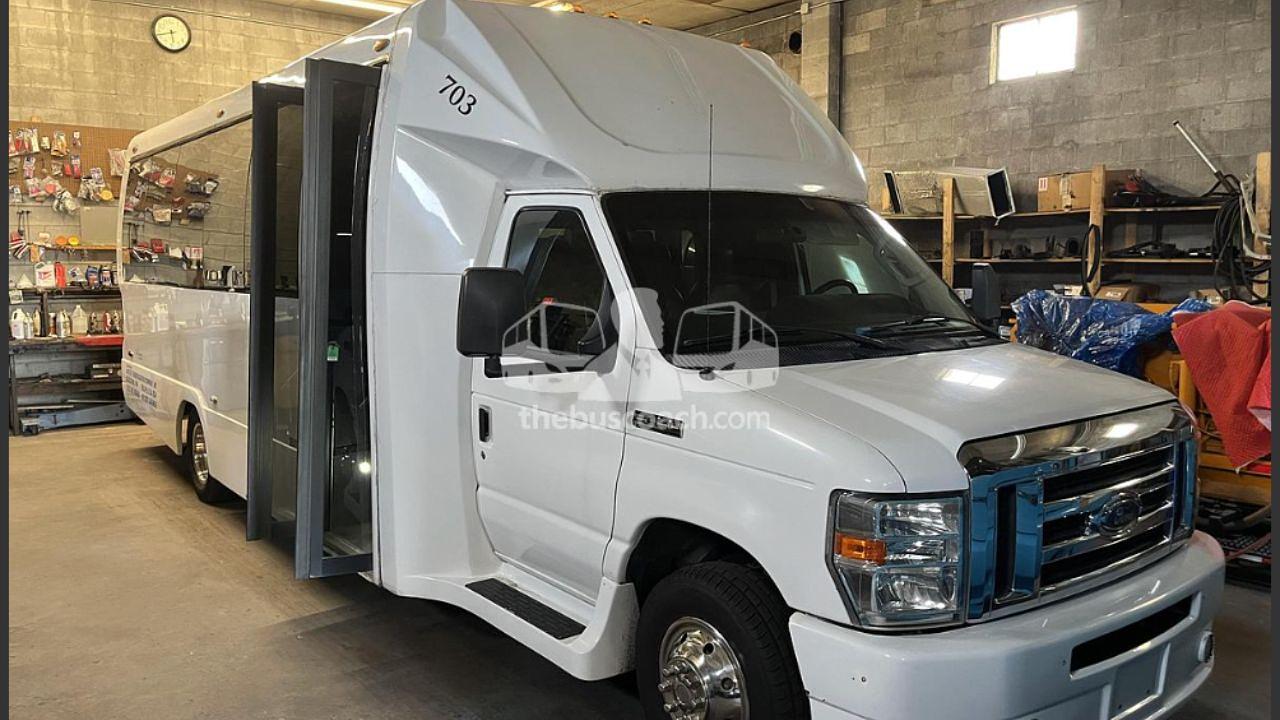
Most mini coaches seat somewhere between 24 and 35 people, and a smaller coach often makes more financial sense than stretching for a full-size motorcoach you will never actually fill. The right pick depends on your routes and your contracts, not on which bus looks the newest sitting in the lot.
So, are you buying the bus that looks good in the picture? Or the one that will actually earn its keep out there?