
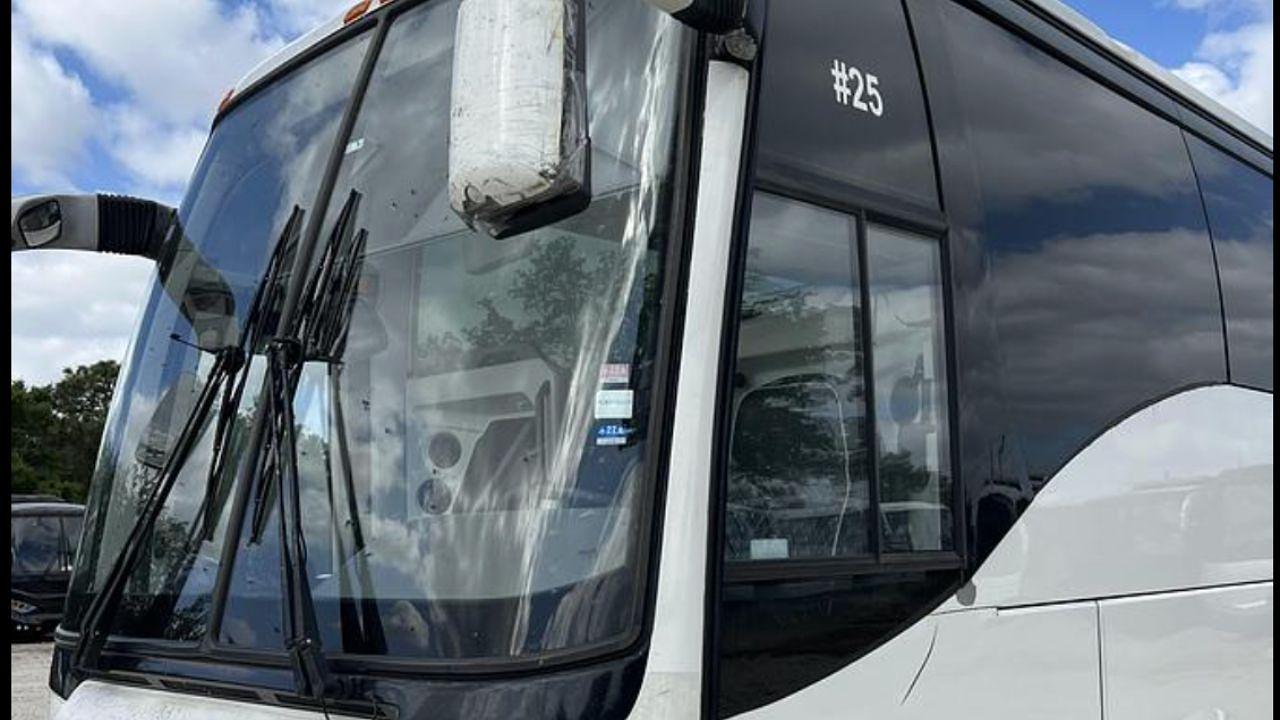
Electric coach bus partnerships work best when they split risk and share cost. You do not need to own every part of the chain to go electric. You just need a deal that fits your routes and cash flow.
At The Bus Coach, we see this all the time. Owners want to modernize. They worry about range, charging, and big bills. That is why partnership models matter. They can spread capital costs, infrastructure responsibilities, and operational risk across multiple parties.
Why Electric Coach Bus Partnerships Matter
Electric coach bus partnerships are not just about buying a bus. They are about uptime and total cost. A good partnership lines up bus, charger, service, and money. That is the difference between a pilot that stalls and a fleet that sticks.
For private operators, this is the key. You do not want to become a power company. You want a partner who gets your routes and margins. That is the whole point of a smart deal.
5 Powerful Electric Coach Bus Partnership Models
These are five partnership structures fleet operators can consider. Each one splits the work in a different way. The best fit depends on your fleet size and routes.
1. Oem Plus Operator Plus Finance
This structure can suit private fleets that want to retain operational control while spreading the capital cost through financing. The OEM supplies the electric coach, the operator runs the routes, and a finance partner handles the loan or lease.
It works well when you want control of daily ops. You pick the routes and drivers. The finance piece smooths the cash hit. You can scale without a huge upfront bill.
2. OEM Plus Operator Plus Charger Partner
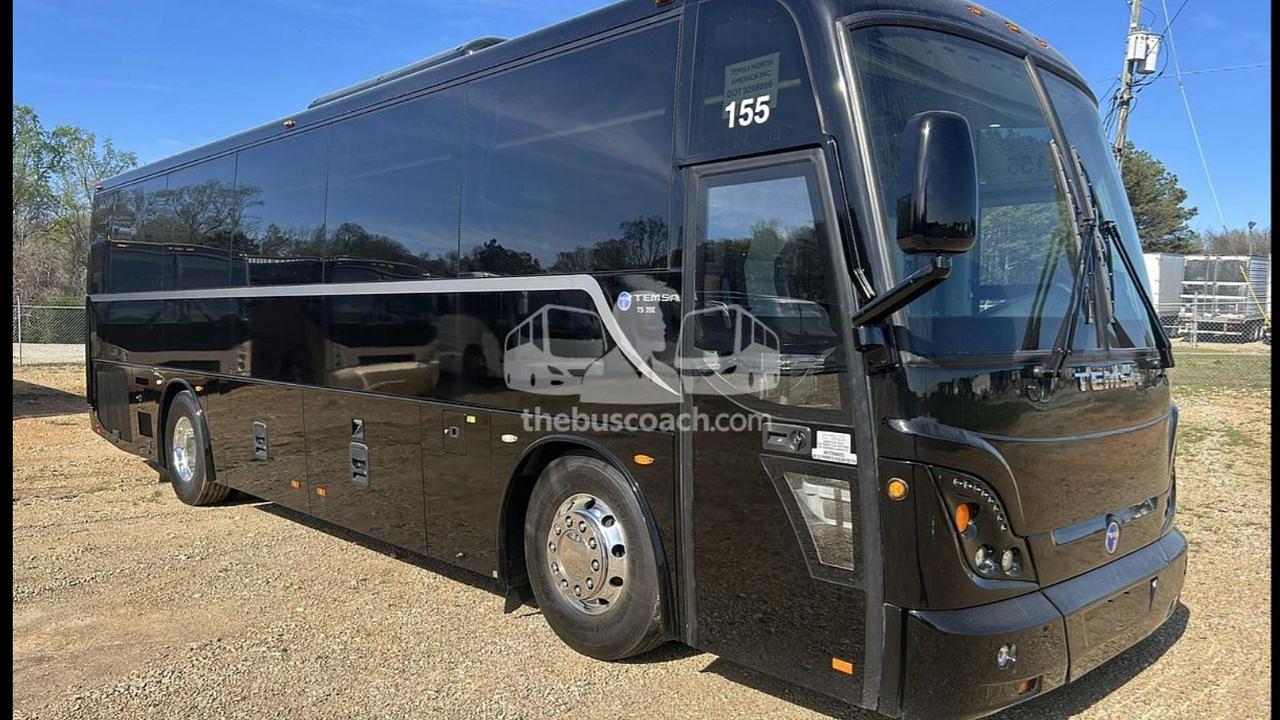
This model adds a dedicated charger partner. The OEM brings the bus. The operator runs the service. The charger partner designs and maintains the depot chargers.
It helps when you do not want to manage power. The charger partner handles load studies and utility work. You get a clear point of contact when something fails.
This setup fits operators who want to focus on driving. It also helps when you plan to add more units. A good charger partner designs for growth from the start.
3. Asset Company That Leases Bus and Charger Together
In this model, an asset company owns the bus and charger. The operator leases both as one package. The lease can include maintenance and energy management too.
This is powerful for fleets that want a predictable cost. You do not carry the full asset on your books. You get a bundle that lines up bus, plug, and service.
It works well for operators who want to test routes. It also helps when you want to swap units as tech improves. The asset owner handles the heavy lifting on hardware.
4. Energy Partner Plus Operator With Managed Charging
This model puts an energy partner in charge of charging. The operator runs the buses. The energy partner manages the chargers and rates.
It shines when power costs or grid limits worry you. The partner can shift charging to off-peak hours. They can add batteries or negotiate better rates. That may reduce energy costs when time-of-use rates or demand charges make managed charging financially beneficial.
This is a smart fit for operators with tight margins. It also helps when you plan to scale fast. A managed charging plan keeps the grid happy and buses ready.
5. Full Service Deal With Bus, Charger, Maintenance, and Finance
This is the one-stop model. One partner or group provides bus, chargers, service, and money. You get a single point of contact for most issues.
It works best when you want simplicity and speed. You do not juggle five vendors for one route. You get a clear plan for uptime and costs.
This model fits operators who want to move fast. It also helps when you run mixed routes. A full service deal can grow with you as you add units.
Compare the Total Cost, Not Just the Monthly Payment
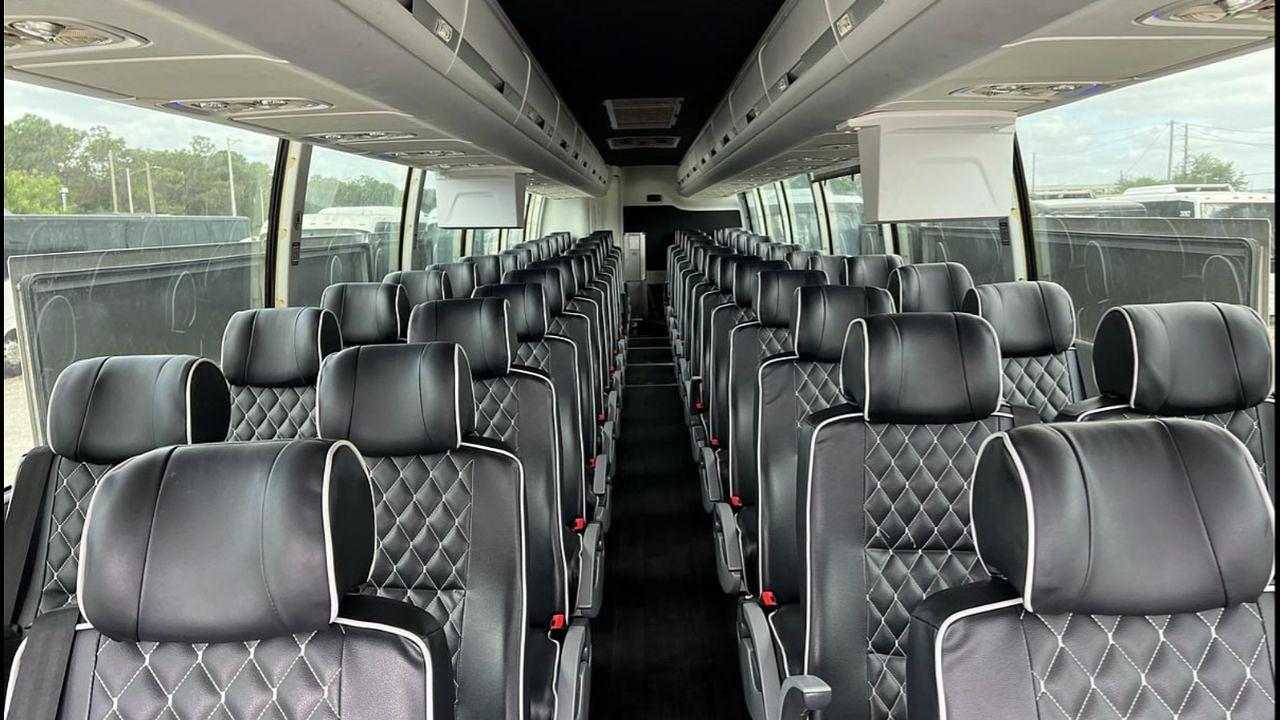
A partnership can look affordable when you only look at the monthly payment. Fleet buyers need the bigger picture. The real cost of an electric coach includes the bus, the infrastructure around it, and what it takes to keep the vehicle running.
Before signing a deal, compare:
- Vehicle acquisition cost
- Financing or lease payments
- Charging equipment
- Charger installation
- Utility upgrades
- Electricity
- Maintenance
- Insurance
- Downtime
- Battery warranty
- Battery degradation
- Residual value
- Contract termination costs
The important part is comparing these costs across the partnership models, not just looking for the lowest monthly payment. One model may bundle charging and maintenance, while another may leave those costs with the operator.
For example, an asset-lease model might reduce upfront capital requirements, while a traditional purchase may give the operator more control over the assets. A managed charging partnership may also shift some infrastructure and energy-management responsibilities to the partner.
The right question is not, “Which deal has the lowest payment?” It is, “Which structure gives us the most workable total cost for the routes we actually run?”
Who Does What In Each Model
Each model shifts the work to different players. Here is the simple split:
- OEM plus operator plus finance: OEM supplies bus, operator runs routes, finance funds the deal.
- OEM plus operator plus charger partner: OEM supplies bus, operator runs routes, charger partner owns uptime.
- Asset company lease: Asset owner holds bus and charger, operator pays monthly, service may bundle.
- Energy partner plus operator: Operator runs buses, energy partner manages charging and load.
- Full service deal: One lead partner handles bus, charger, service, and finance together.
That clarity helps you know who to call.
Simple Route Math to Plan Battery and Charging
Before choosing an electric coach, start with the routes you actually run. Look at three things: daily mileage, passenger load, and available charging time.
For example, imagine a coach travels 200 miles in a day. If the vehicle averages around 3–4 kWh per mile, that would mean roughly 600–800 kWh of driving energy before accounting for charging losses and reserve.
Now look at the charging window. If the coach has eight hours to recharge, the fleet may need roughly 75–100 kW of average charging power for that simplified example. Actual requirements can be higher or lower depending on the vehicle, charging curve, weather, HVAC use, passenger load, and available utility capacity.
That is why the route should come first. Don't choose the bus and charger before checking whether they can support the work your fleet actually needs to do.
When To Pick Each Model
Not every deal fits every fleet. Use this quick guide:
- OEM plus operator plus finance: Best when you want control and steady cash flow.
- OEM plus operator plus charger partner: Best when you want to offload charger risk.
- Asset company lease: Best when you want low capex and clean monthly cost.
- Energy partner plus operator: Best when power costs or grid limits worry you.
- Full service deal: Best when you want fast rollout.
That is the fastest way to narrow your options.
Key Questions To Ask Before You Sign
Not every deal is a good fit. Ask these questions before you commit:
- Does the partner understand my routes and peak times?
- Can they guarantee charger uptime during my service window?
- What happens if a bus or charger goes down mid-day?
- Is the finance plan flexible if my revenue swings by season?
- Will they support my existing Coach units while I add electricity?
Those answers tell you more than the brochure. They show if the partner gets your business.
Final Thoughts
Electric coach bus partnerships are not about one big deal. They are about the right mix of bus, charger, service, and money. The best model lowers risk and keeps your fleet moving.
If you could design your ideal partner today, what would they handle for you?
FAQs
Are electric coach partnerships worth it for small fleets?
Yes, if the deal splits risk and keeps costs predictable. Start with one or two units on a clear route.
Do I need to own the chargers?
No. Some partnership structures allow a third party to own or manage the charging infrastructure.
What if my routes change next year?
Pick a model with flexible terms and a path to swap units.
Will this work with my current diesel fleet?
Yes. A mixed fleet can allow operators to introduce electric coaches gradually while continuing to operate existing vehicles. The key is a partner who can support both.