
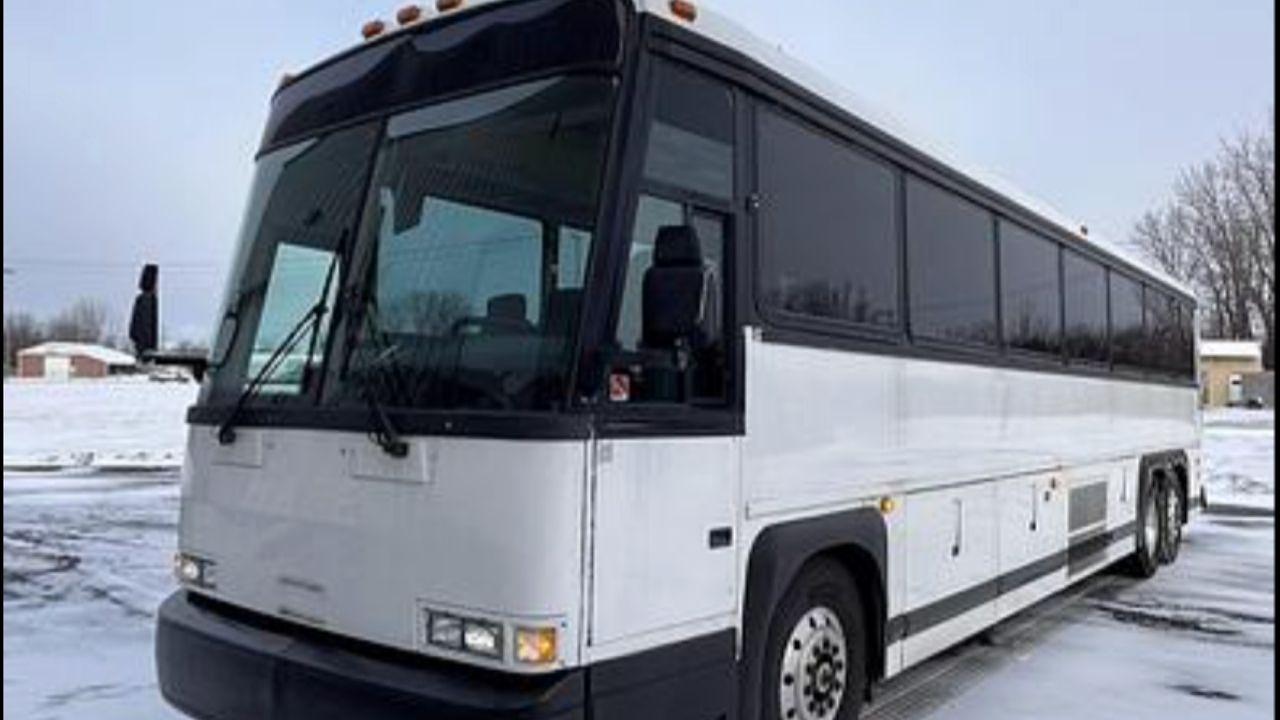
Buying an MCI bus is a big investment. Most of the expensive mistakes happen weeks before anyone signs anything, not during the sale itself. One missed inspection can turn into a major repair bill within weeks. That is exactly the kind of problem this guide aims to help you avoid.
What to check before you buy an MCI bus? Get a full pre-purchase inspection, confirm the passenger capacity actually fits your routes, review complete maintenance records, and make sure the seller sticks around after the sale. Miss any one of those and you are gambling with uptime.
Here is where buyers usually trip up.
#1: Skipping the Pre-Purchase Inspection
Photos sell coaches. That is the problem. A listing can look flawless online and still hide rust under the frame or a transmission on its last legs. Inspect the coach in person before you get attached to it. Walk the engine bay yourself, and pull the full service history while you are at it.
Mileage matters, but it should not be the only number you watch. A well-maintained coach with higher mileage may be a better buy than a lower-mileage vehicle with weak records. Look at age, engine hours, service history, and major component work together. Paying a few hundred dollars for a third-party inspection stings a lot less than a bad transmission does six months down the road.
#2: Choosing the Wrong Passenger Capacity
Odd-sized coaches sometimes look like a deal on paper. For many operators, a standard 55 to 56-seat setup offers useful flexibility. Standard configurations can make a used coach easier to market to a wider pool of buyers. Fleets with plenty of flexibility elsewhere can afford to get creative with odd sizes. Everyone else should stick with standard.
#3: Assuming You Can't Finance an MCI Bus
Plenty of smaller, family-run operators just assume financing is out of reach for them. So they drain their cash reserves, or they pass on a solid coach entirely. Neither is necessary. Depending on the lender, motorcoach financing may allow payment structures that better fit seasonal revenue. It costs nothing to have that conversation before ruling yourself out.
#4: Ignoring Maintenance History
Nobody buys a used car blind. A coach deserves the same scrutiny, arguably more, given how many miles it will rack up in a season. Ask for engine overhaul dates and transmission service records. Get the accident history too if there is any on file. Incomplete records should make you slow down and ask more questions. Listings like this MCI inventory keep records transparent for exactly this reason.
#5: Overlooking Used Buses for Budget Routes
New is not automatically the right call, and treating it like a default costs operators money every year. Ski charters and line-haul trips run on thin margins already. A well-maintained used coach can cost much less upfront than a new one. This is exactly why so many fleets are split on purpose, with nicer units reserved for premium charters while dependable used coaches take the routine grind.
#6: Forgetting to Ask About the Lavatory Setup
Lavatory setup is easy to overlook during a first purchase. Most MCI models ship with a non-flushing lavatory as standard equipment, though flushing versions with an auxiliary tank are available if you specifically request them. If the coach will handle long or multi-day trips, ask how the lavatory system works. For straightforward day trips, non-flushing does the job fine and keeps costs down. Confirm the setup before you assume anything.
#7: Not Checking Parts and Service Availability
Picture the coach going down on a Friday afternoon, right before a weekend charter you can't afford to lose. How fast can parts actually get to you? MCI has an established parts and service network in North America. Still, ask how quickly parts and repairs can be handled in your operating area. Ask directly, before you buy, not after something breaks. A dealer who vanishes the moment the sale closes isn't much help once the honeymoon phase ends.
#8: Underestimating Resale Value Differences
Coaches don't all depreciate the same way. Configuration plays a bigger role in resale value than most first-time buyers realize, and mileage and paint condition matter more than people expect too. Find out what the resale market looks like for that exact setup before you sign anything, not three years later when you're already trying to unload it.
#9: Choosing a Seller With No After-Sale Support
Ask yourself a blunt question. What happens the day after you drive this coach off the lot? If nothing happens, that should worry you. The strongest purchases come from sellers who stay in the picture through maintenance, repairs, and the eventual trade-in. Operators keep going back to a trusted source for this exact reason, instead of starting from scratch every time they need a coach.
What to Check Before Buying an MCI Bus
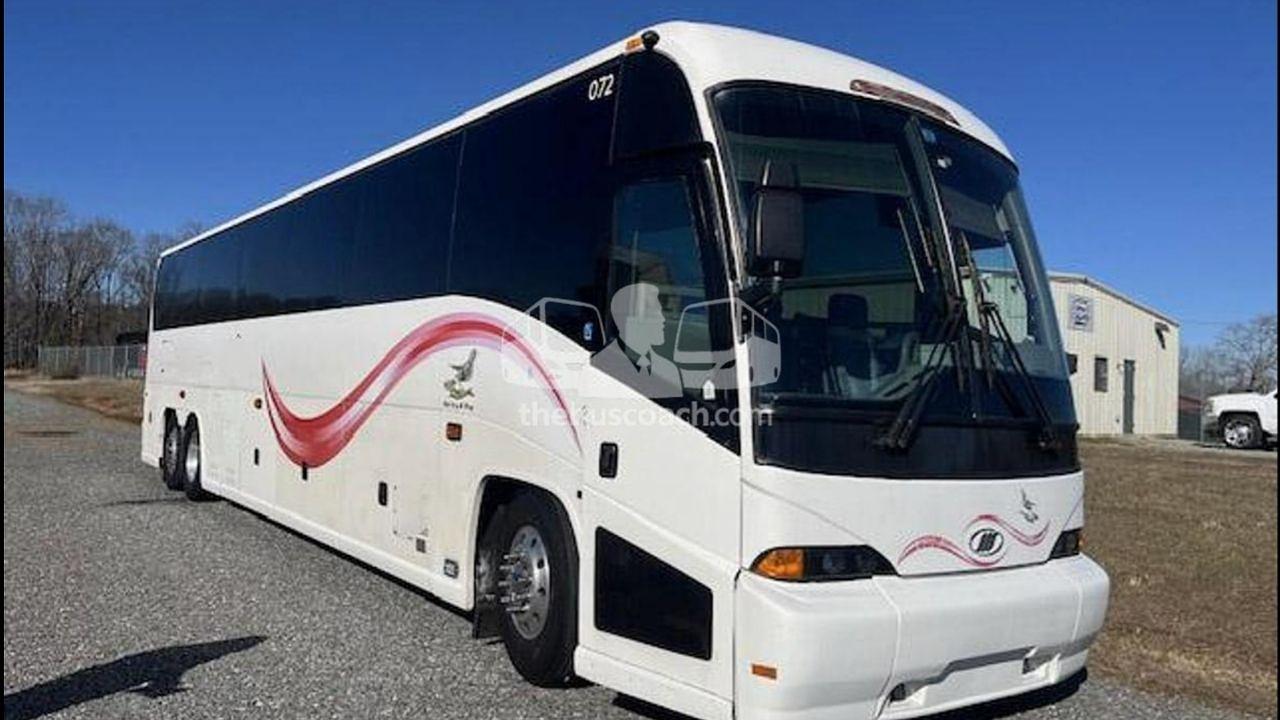
Found an MCI you like? Slow down before you put down a deposit. A clean listing can only tell you so much. You want to know how the coach has been used, how well it was cared for, and what you may need to fix later.
Start with the basics, then dig into the parts that can become expensive.
- Vehicle age and mileage: Check both together. Mileage alone does not tell you how hard the coach was used.
- Engine and transmission: Ask about major repairs, rebuilds, service dates, and current condition.
- Maintenance records: Look for regular service records, not just recent work done before the sale.
- Accident history: Find out whether the coach has had any major collision or structural repairs.
- Passenger configuration: Make sure the seating layout fits the work you plan to run.
- Lavatory setup: Confirm whether the coach has a lavatory and how that system is configured.
- Tire condition: Check tread, age, wear patterns, and signs of uneven wear.
- HVAC operation: Test the heating and cooling system before buying. A coach can get uncomfortable fast when HVAC fails.
- ADA equipment: If accessibility matters for your routes, confirm the lift or other required equipment works properly.
- Title and ownership records: Make sure the paperwork matches the vehicle and seller.
- Parts and service access: Check whether qualified technicians and parts are easy to reach in your operating area.
- Financing terms: Compare the total cost, payment schedule, fees, and any seasonal options before committing.
You do not need to become a mechanic to buy wisely. You just need enough information to spot a risky purchase before it becomes your problem.
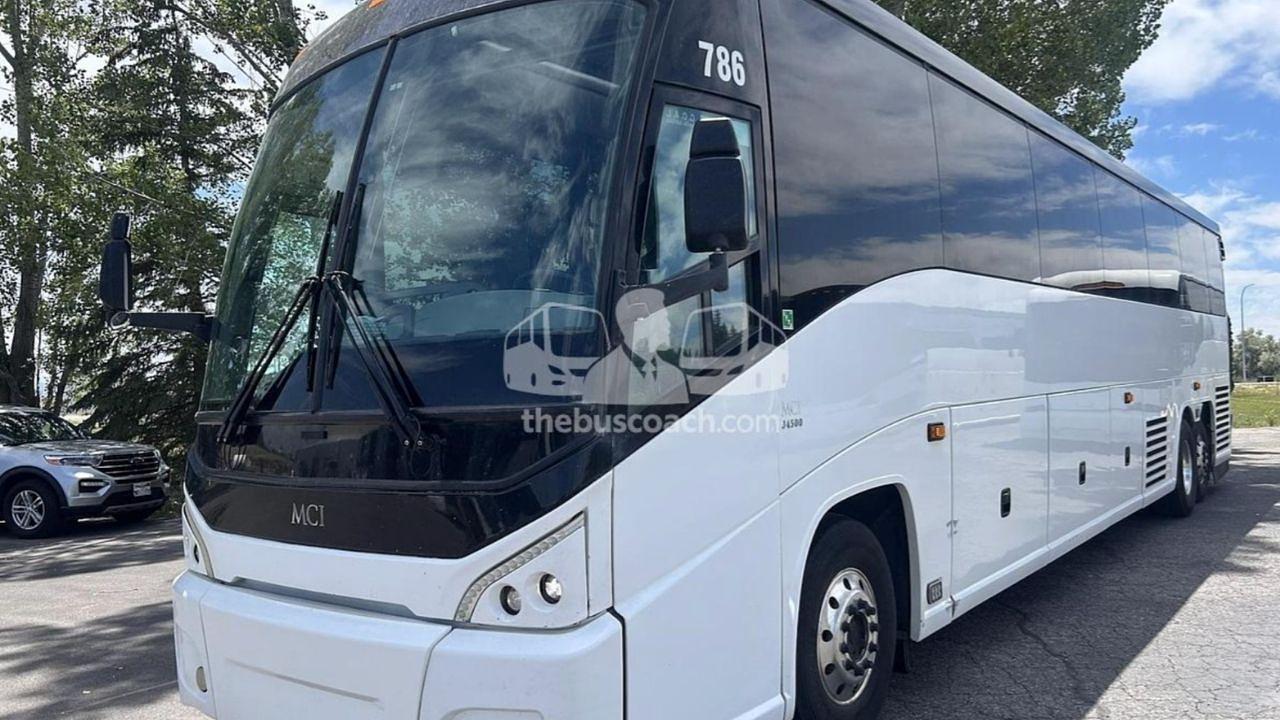
9 Mistakes at a Glance
#1
Mistake: Skipping inspection
Quick Fix: Get a third-party check
#2
Mistake: Wrong capacity
Quick Fix: Choose standard 55–56 pass
#3
Mistake: Assuming no financing
Quick Fix: Ask about flexible terms
#4
Mistake: Ignoring maintenance history
Quick Fix: Request full records
#5
Mistake: Skipping used options
Quick Fix: Mix budget and premium units
#6
Mistake: Ignoring lavatory type
Quick Fix: Confirm flushing vs. non-flushing
#7
Mistake: Skipping parts check
Quick Fix: Confirm turnaround speed
#8
Mistake: Ignoring resale value
Quick Fix: Ask about configuration demand
#9
Mistake: No after-sale support
Quick Fix: Pick a seller who stays involved
Comparing MCI models takes time, and that is time well spent. The right choice depends on your routes, budget, and plans for the coach. A lower price does not always mean a better deal.
What would it mean for your business if your next coach purchase was the smoothest one yet?
FAQs
How many passengers does a standard MCI bus hold?
Many standard MCI motorcoach configurations seat about 55 to 56 passengers, but capacity varies by model and layout.
Should I buy a new or used MCI bus?
New units make sense for premium jobs. A well-maintained used coach handles budget routes like ski trips or line-haul service just fine.
Does an MCI bus have a flushing lavatory?
Most models ship with a non-flushing lavatory as standard, though flushing versions with auxiliary tanks are available on request.
Can I finance an MCI bus with seasonal revenue?
Some lenders offer financing structures designed around seasonal transportation revenue. Availability depends on the lender, vehicle, business, and borrower.