
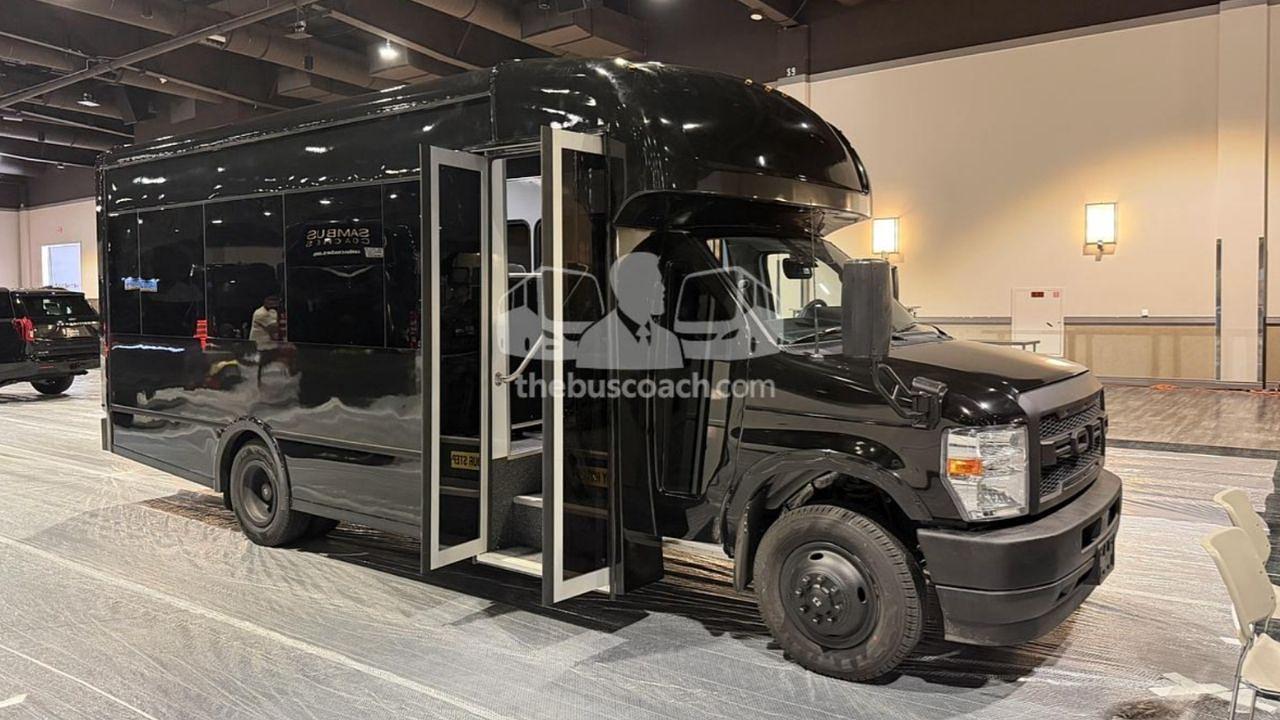
A non-CDL shuttle bus lets you put a route back on the road fast. You don't wait months for a commercially licensed driver. Many of these vehicles stay below the federal passenger threshold for CDL requirements. That difference can make staffing easier for some operators.
How many passengers can you carry without a CDL? Federal CDL rules generally require a CDL when a vehicle is designed to carry 16 or more people, including the driver. Vehicle weight and state rules can also affect the requirement. Some states set a lower bar. Always confirm local rules before you hire.
A route needs covering, a CDL holder calls in sick, and suddenly you are scrambling. A route needs covering, a CDL holder calls in sick, and suddenly you're scrambling.
Why the Driver Shortage Hits Fleet Operators So Hard
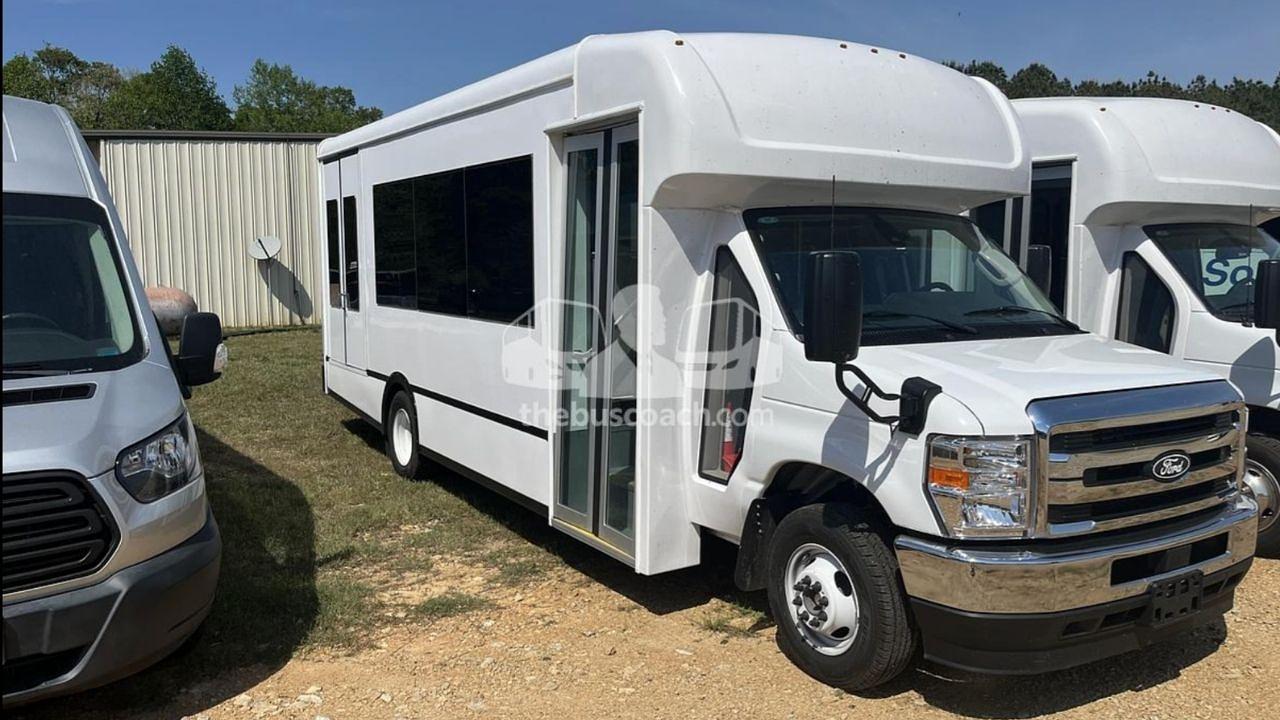
Finding qualified CDL drivers has gotten harder every year. Training takes weeks. Licensing takes time. Plenty of candidates won't deal with that process for a part-time role. Staffing shortages can disrupt scheduled transportation, especially on routes that need consistent daily coverage. Demand didn't drop. They just couldn't staff the vehicles.
Airport shuttles, hotel routes, and employee transport all run on tight schedules. Predictable schedules need reliable staffing more than almost anything else in this business. One missed run can cost you a contract renewal.
What Actually Makes a Bus "Non-CDL"
Here is where most people get fuzzy. Federal rules require a CDL for vehicles carrying 16 or more passengers, including the driver. Passenger capacity is one factor, but vehicle weight can matter too. A vehicle with fewer than 16 passenger positions can still fall under other commercial vehicle rules. Check the GVWR and your state's requirements before assigning a driver. Stay under that number, and a standard license usually covers it.
States add their own wrinkles though. California has stricter passenger rules than the federal baseline. Its DMV requires a P endorsement for drivers operating vehicles designed to carry 10 or more people, including the driver. That's well below the federal 16-passenger line. This gap catches operators off guard constantly, especially ones running shuttles across state lines. Check with your state DMV before assuming your vehicle qualifies.
- Federal rule: CDL required at 16 or more passengers, including the driver
- Some states set the bar lower, like California's 10-passenger endorsement rule
- Confirming locally before hiring saves you a compliance headache later
One important distinction: “non-CDL” describes the licensing requirement, not a special type of bus. Two similar-looking shuttles can have different requirements based on their seating, weight, use, and state rules.
GVWR matters too. Passenger count is not the only thing to check. Federal CDL rules also use vehicle weight as one of the thresholds. Before buying a shuttle, look at its GVWR on the vehicle information label and confirm the licensing rules that apply to that specific unit.
Non-CDL vs CDL Shuttle: Quick Comparison
Factor: Typical capacity
Smaller Shuttle: Up to 15 passengers
CDL Shuttle: 16+ passengers
Factor: License
Smaller Shuttle: Depends on vehicle and state
CDL Shuttle: CDL requirements apply
Factor: Hiring pool
Smaller Shuttle: Often broader
CDL Shuttle: CDL-qualified drivers
Factor: Training
Smaller Shuttle: Usually simpler
CDL Shuttle: More licensing and testing
Finding a non-CDL Shuttle Bus for Sale: What to Look For
Browsing listings for a non-CDL shuttle bus for sale? Don't stop at seat count. Passenger comfort matters just as much. This is especially true on airport or hotel routes, where first impressions count. Check legroom and luggage space. See how the unit holds up over a full duty cycle.
Ask about maintenance history too. A shuttle babied on light routes wears very differently than one grinding through twelve-hour airport shifts. Our lineup gets built for exactly that kind of daily use. Plenty of operators searching for a non-CDL bus for sale skip this step. They often regret it by the end of the first season.
How Non-CDL Shuttles Solve Real Staffing Problems
Widen your hiring pool from "must have a CDL" to "must have a valid license." Removing a CDL requirement where legally permitted can broaden the pool of eligible applicants. You stop competing with every other CDL-dependent operator for the same shrinking pool.
Training can be simpler than CDL qualification, but the timeline varies by employer, state, and vehicle.Is this a full replacement for your CDL fleet? Not even close. But it's a real release valve when staffing gets tight.
- Faster hiring, since the applicant pool is far large
- Shorter onboarding for part-time or seasonal drivers
- Lower dependency on a shrinking CDL labor market
Where Non-CDL Shuttles Fit Best in Your Fleet
Large group charters still need full-size coaches and CDL drivers. So do long-haul intercity runs. But plenty of your routine work doesn't need that horsepower at all. Airport transfers, hotel loops, and employee transport are a natural fit.
Many operators run a mixed fleet on purpose. Coaches handle the premium work.A shuttle or two covers the routine, high-frequency runs. How many of your daily routes actually need 40-plus seats and a CDL driver? For a lot of operators, the answer is fewer than they assumed.
When a Non-CDL Shuttle Makes Sense
A smaller shuttle can make sense when the route doesn't need a full coach. Think hotel loops, employee runs, airport transfers, and smaller group trips. The point isn't to replace your motorcoaches. It's to stop using a 40-plus passenger vehicle for jobs that rarely fill half the seats.
Then give three bullets:
- Smaller groups: You rarely need more than 15 passenger positions.
- Frequent short routes: The vehicle spends most of its day on repeat shuttle runs.
- Staffing flexibility: Your state and operating setup allow drivers without a CDL.
Buying Smart: A Few Things to Verify First
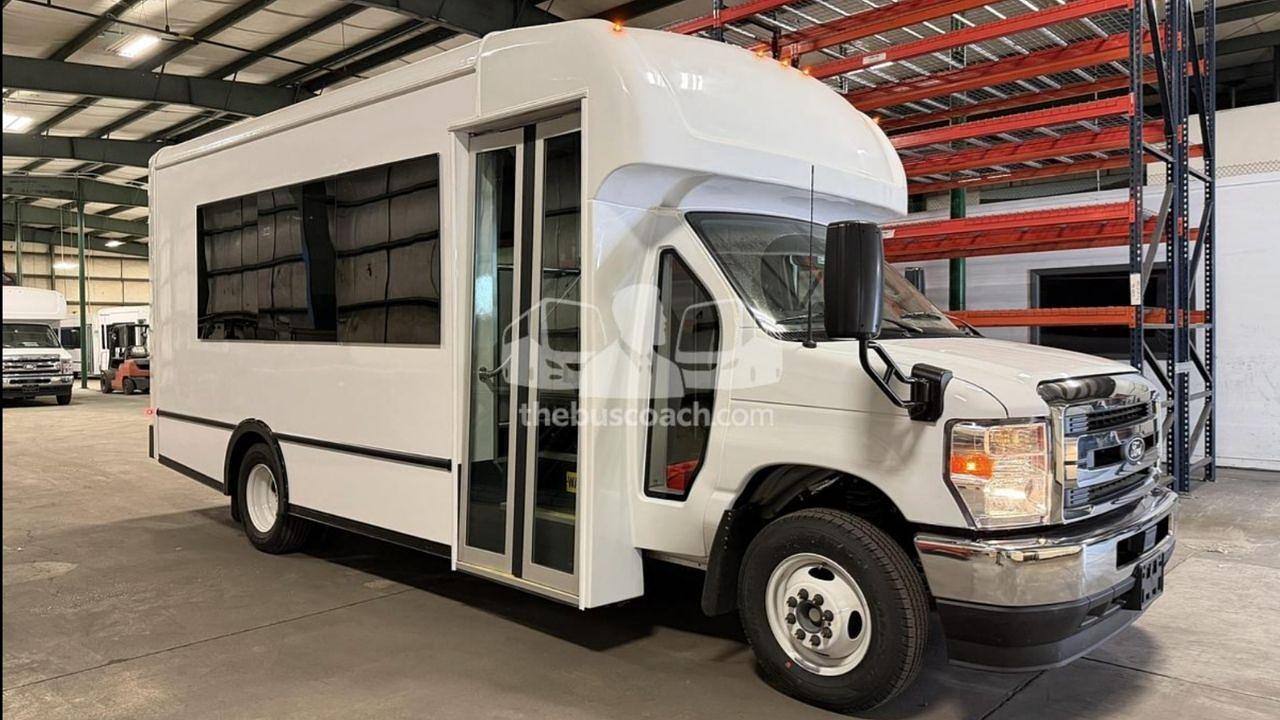
Before committing to any non-CDL bus for sale, get the seller to walk you through seating configuration, GVWR, and maintenance records in writing. Don't take capacity numbers from a brochure photo. The same base chassis often gets configured differently across manufacturers.
Check the chassis, engine, transmission, and body manufacturer before buying. Parts may be easy to find for the chassis but harder to source for a custom body. Your local service network matters too. A shuttle stuck mid-route hurts your schedule as much as a coach breakdown, maybe more, since these routes run tighter.
The driver shortage isn't fixing itself anytime soon. Adding the right non-CDL shuttle bus for sale to your lineup gives you a faster path forward. It covers routes that never needed a full-size coach anyway. Browse our inventory when you're ready. Talk to a specialist before you commit to anything.
What would it mean for your scheduling headaches if half your staffing problem simply disappeared next quarter?
FAQs
Do all states follow the 16-passenger CDL rule?
No. Federal rules set 16 passengers as the line. States like California require a passenger endorsement above just 10.
How long does non-CDL shuttle driver training take?
There is no single timeline. Employer training, state rules, insurance requirements, and the vehicle itself can all affect how quickly a driver is ready.
Are non-CDL shuttles cheaper to insure?
Not necessarily. Insurance rates depend on the vehicle, passenger capacity, operation, driver history, location, claims history, and insurer. Ask your carrier for a quote before buying.
Can non-CDL shuttles handle airport routes?
They can be a good fit for airport, hotel, and employee shuttle work when the vehicle meets applicable licensing and operating requirements.