
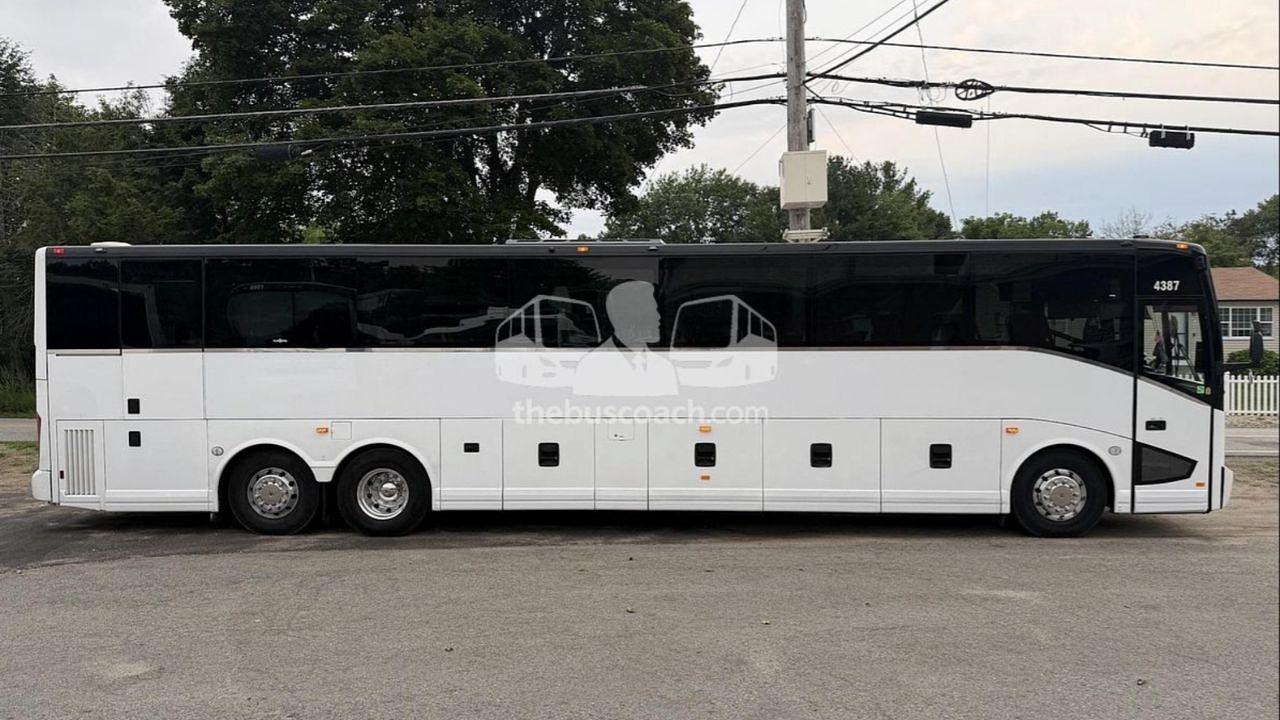
Three things decide this purchase. How many people are you moving? How far are you driving them? And how much polish does the contract actually demand? If you can answer these questions, rest can sort itself out fast.
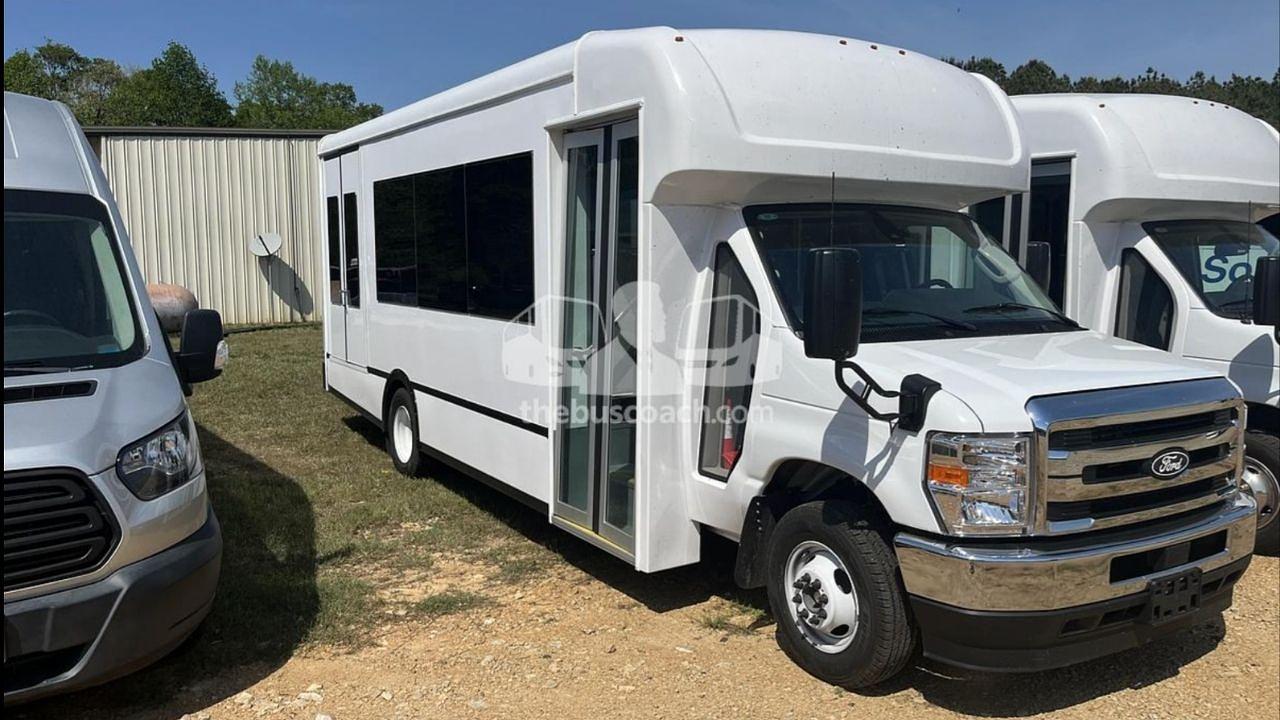
Cutaway vs van vs specialty shuttle, what's the difference? A cutaway is a bus body bolted onto a van or truck chassis. Many cutaway shuttle bodies seat roughly 12 to 25 passengers, but layouts vary. A van is often the simplest option for smaller groups. A specialty shuttle costs more but delivers the seating and finish that premium clients notice immediately.
We've helped many operators face this same buying decision, and here is the pattern we keep seeing. Someone shows up already committed to one option before they have weighed anything against it. Six months later, that same vehicle is sitting half-used in the lot.
Why This Decision Matters More Than It Looks
A shuttle purchase feels smaller than buying a full coach, so people treat it that way. That is the mistake. This one choice shapes which contracts you can realistically bid on. It shapes your upkeep bill too and it can shape whether drivers even want the route.
Cost and comfort pull in opposite directions here, and that tension isn't going away no matter how you shop. The cheapest option rides the roughest. Higher-end shuttles usually cost more upfront. Their operating costs depend on the vehicle and route. Neither is the wrong answer. It just depends on what the job actually needs from the vehicle.
Cutaway Shuttles: What They are Built For
Picture a bus body mounted on a van or light-duty truck chassis. That is your cutaway, and GVWR varies widely by chassis and body configuration. Check the exact vehicle's GVWR before comparing models. It sits squarely between a converted van and a full-size coach.
Cutaways can work well on daily, stop-and-go shuttle routes. Many cutaway bodies offer wider passenger areas than standard vans. Accessibility features can also be added on certain configurations. Airport runs, hotel loops, senior transportation programs. Cutaways fit all three comfortably.
- Best for airport, hotel, and senior transport routes
- Seats roughly 12 to 25 passengers depending on build
- Moderate maintenance costs, sitting between vans and full coaches
Vans: The Budget-Friendly Workhorse
There is no shame in a van being the leanest option on this list. If your groups run smaller or your budget runs tighter, a van does the job without draining your maintenance fund every quarter.
They shine on employee shuttle routes and small tour groups especially.Some vans and smaller shuttles may not require a CDL under federal rules. Passenger capacity, vehicle weight, and state rules all matter. Fuel costs stay lower, parking gets easier, and honestly, sometimes the simplest tool really is the right one.
Specialty Shuttles: When Comfort Is the Selling Point
At the top of this lineup sits the specialty shuttle. Upgraded seating, quieter interiors, and more polished finishes are common selling points. For corporate clients or brand-sensitive contracts, that impression lands fast.
It costs more, both to buy and to keep running, so it is not the right call for every route on your roster. If the contract depends heavily on passenger experience, the extra investment may be easier to justify.
Cutaway vs Van vs Specialty Shuttle: Quick Comparison
Factor: Typical capacity
Cutaway: Varies by body and chassis
Van: Varies by model
Specialty Shuttle: Varies by build
Factor: GVWR
Cutaway: Chassis-dependent
Van: Chassis-dependent
Specialty Shuttle: Build-dependent
Factor: Best for
Cutaway: Airport, hotel, senior transport
Van: Small groups, employee routes
Specialty Shuttle: Corporate and premium routes
Factor: Cost
Cutaway: Moderate
Van: Usually lower
Specialty Shuttle: Usually higher
Factor: Passenger experience
Cutaway: Practical
Van: Basic to comfortable
Specialty Shuttle: Premium
Factor: Typical use
Cutaway: Airport, hotel, senior routes
Van: Small groups, employee routes
Specialty Shuttle: Corporate, VIP, premium routes
Which Shuttle Should You Buy?
If most of your jobs involve small groups, start with a van. If you need more passenger space and accessibility options, look at a cutaway. If clients care about presentation as much as the ride, a specialty shuttle deserves a closer look.
Don't choose based on capacity alone. Look at route length, daily mileage, passenger needs, and what your contracts actually pay. A premium vehicle only makes sense when the work can support it.
- Choose a van for small groups and simple routes.
- Choose a cutaway when you need more space and flexibility.
- Choose a specialty shuttle when passenger experience is part of the sale.
New Shuttle Bus for Sale vs Used: What Actually Makes Sense
New or used? It depends more on the route than most people assume. A new shuttle gives you a newer vehicle and typically comes with manufacturer warranty coverage, which matters a lot when downtime actually costs you money.
But not every route earns that price tag. Plenty of operators split their fleet on purpose, saving newer units for the premium jobs and running dependable older ones on the routine stuff. That's exactly where a used shuttle bus for sale under $10,000 starts to make real sense, as long as you go in clear-eyed about what you're getting. Higher mileage, sure. For backup coverage or short shuttle routes, that trade may make sense.
- New units: longer lifespan, full warranty, higher upfront cost
- Used units under $10,000: lower cost, higher mileage, best for routine or backup routes
Pull maintenance records before you buy either way. Get it inspected properly too. A lower-priced used shuttle can make sense for backup work, but condition matters more than the asking price. Get the vehicle inspected and review its records before buying.
Matching the Right Shuttle to Your Routes
Look at your actual route mix for a second. Does this route touch your brand in a way that matters? Is it a daily grind or a seasonal thing? Those questions carry more weight than whatever looks best on a spec sheet.
Our lineup covers cutaways, vans, and specialty configurations, so you're not stuck guessing which category even fits before you start browsing.
Buying Smart: What to Check Before You Sign
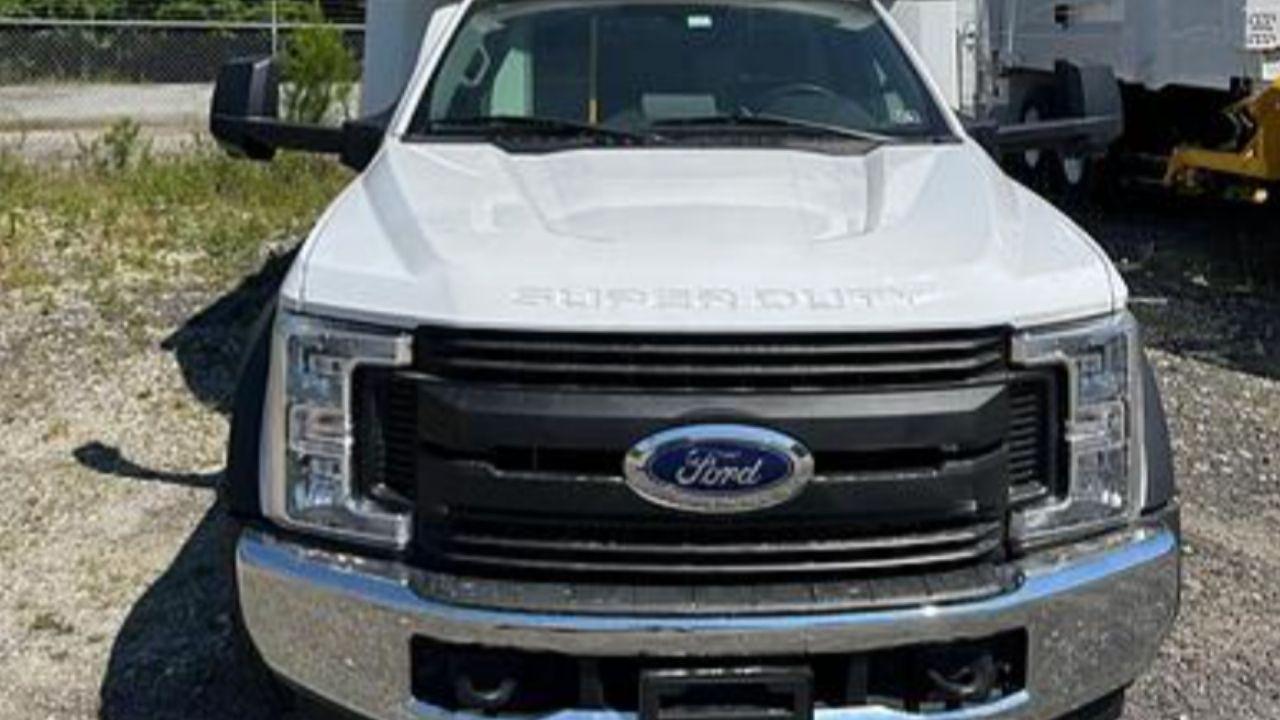
Get passenger capacity confirmed in writing, not just pulled from a glossy brochure. Ask about parts availability while you are at it, since a shuttle stuck out of service hurts your schedule just as much as a coach breakdown would. Ask what happens after you sign. Who handles questions about service, parts, or paperwork? Knowing that before delivery can save you trouble later.
A reliable seller should be willing to share the records you need before you buy. Our inventory sticks around for maintenance questions long after delivery too. Weighing a new shuttle bus for sale against a budget used option? Run the real total cost of ownership, not just the sticker price sitting in front of you. Browse our options whenever you're ready to compare them side by side.
What would change about your route planning if you had exactly the right vehicle for every job, instead of making do with whatever's already sitting in the lot?
People Also Ask
Do cutaway shuttles need a CDL to drive?
Depends on passenger count and your state. A lot of cutaways under 16 seats skip the federal CDL requirement, but state rules can still tighten that.
Is a used shuttle bus under $10,000 worth buying?
For routine or backup routes, usually yes. Just verify the maintenance records and get it inspected before you hand over money.
Which shuttle type costs the least to maintain?
Vans win here almost every time. Cutaways run a bit more. Specialty shuttles cost the most thanks to the premium components.
Can a specialty shuttle handle daily airport routes?
It can, but the extra cost usually only pays for itself on premium or brand-sensitive contracts, not the routine daily grind.