
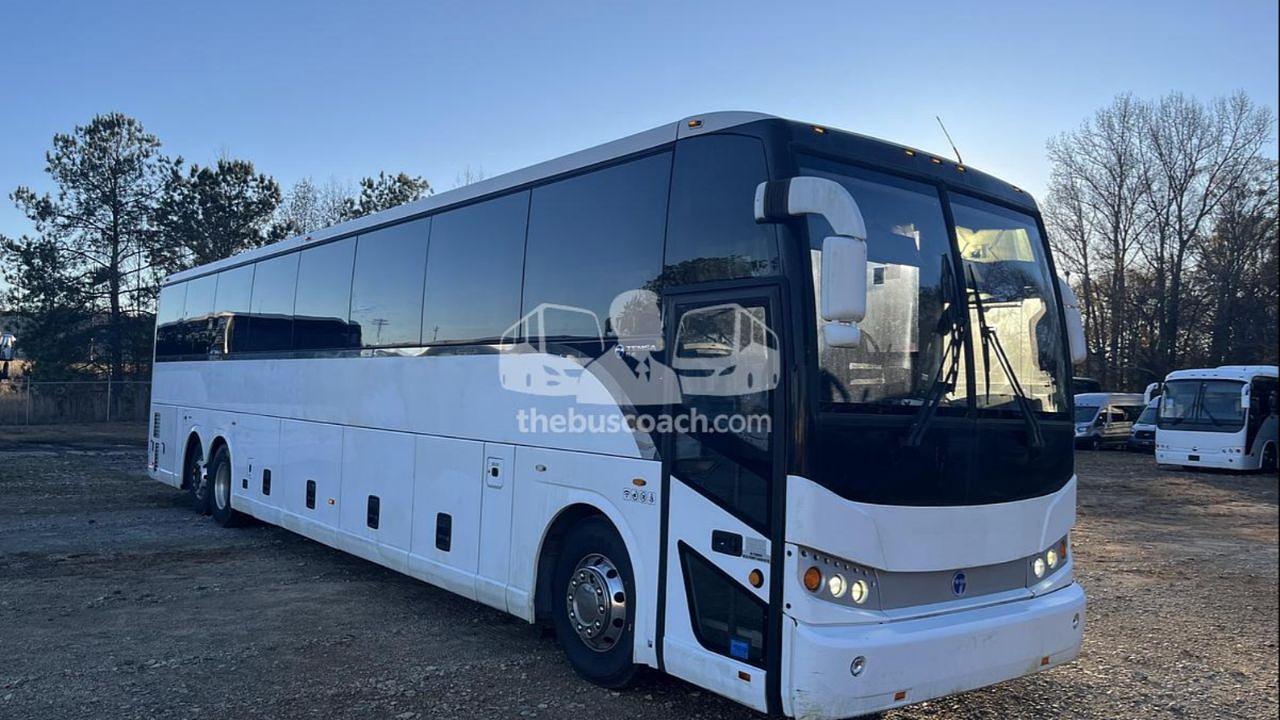
You need charter bus insurance that keeps you legal. It must protect your assets. It should not break the bank. Getting it right is not about cheap policies. It is about smart coverage for your fleet.
At The Bus Coach, we talk to operators frequently. Some just bought their first coach. Others run 30 plus vehicles. All ask the same thing. Am I really covered if something goes wrong?
Let us walk through seven tips. They keep you safe, compliant, and confident behind the wheel.
What Is Charter Bus Insurance?
Charter bus insurance covers liability and physical damage. FMCSA sets minimums. States add rules. Contracts demand more. Skip it and you risk fines, lawsuits, and shutdown.
Think of it as your safety net. One accident can cost hundreds of thousands. Medical bills add up. Vehicle repairs pile up. Legal fees drain you. Lost income hurts while your bus sits.
For-hire passenger carriers operating in interstate commerce must meet federal insurance requirements. State rules can also apply, especially for intrastate operations. Some states ask for more. Some contracts demand even higher limits.
Charter Bus Insurance: Liability vs. Physical Damage
These two types of coverage protect different parts of your operation. Liability coverage generally addresses injuries or property damage you may cause to other people. Physical damage coverage protects your bus against covered losses.
Coverage: Liability
What it generally covers: Injuries or property damage caused to others
Coverage: Collision
What it generally covers: Damage to your bus after a covered collision
Coverage: Comprehensive
What it generally covers: Certain non-collision losses, such as theft, fire, or weather damage
Coverage: Physical damage
What it generally covers: Collision and comprehensive coverage for your vehicle, depending on the policy
Liability coverage matters most when an accident involves passengers, other drivers, or property. It can help cover eligible claims and legal expenses, subject to your policy limits and terms.
Physical damage coverage focuses on the coach itself. Collision and comprehensive coverage can help protect an expensive vehicle from covered losses. The exact protection depends on the policy you purchase.
This distinction matters when you are buying a new or used coach. A $300,000 bus represents a major business asset. Protecting other people through liability coverage doesn't automatically protect the vehicle itself.
Before choosing a policy, ask your insurance professional what each coverage includes. Check the limits, deductibles, exclusions, and valuation method for the bus. Don't assume every policy offers the same protection.
7 Essential Charter Bus Insurance Tips to Stay Safe in 2026

1: Know Your FMCSA Minimums Cold
FMCSA sets the floor. Not the ceiling. Your policy must meet these limits. Or exceed them. You must operate legally across state lines.
Current FMCSA minimums for charter operators:
- 15 or fewer passengers: $1.5 million liability
- 16+ passengers: $5 million liability
- Hazardous materials: higher limits may apply
Do not guess. Ask your agent for a certificate. It must list your FMCSA filing number. Keep your insurance documents accessible to your operations team and drivers. Your state may have additional documentation requirements. Verify carriers on the SAFER system before you sign.[govregs][busrates]
2: Match Coverage to Your Actual Routes
Not all routes carry the same risk. City charters face more fender benders. Long haul tours face fatigue. Airport shuttles run in high traffic.
Your policy should reflect where you drive. Not just where you are based.
Ask yourself:
- Do I cross state lines regularly?
- Do I run seasonal routes in snow?
- Do I carry high value clients?
If you answer yes, consider higher limits or add umbrella coverage.Higher limits cost more, but they can give you more room when a serious claim exceeds the basic policy limit.
3: Don’t Skip Physical Damage Coverage
Liability covers other people. Physical damage covers your bus. Physical damage coverage can include collision and comprehensive protection, depending on the policy.
Many small operators skip this. They want to save money. Big mistake. One serious weather event can cause major damage to an expensive coach. Without physical damage, you eat that loss.
What to look for:
- Actual cash value or replacement cost?
- Deductible amount ($1,000 to $5,000)
- Rental reimbursement while your bus is in shop
If your bus is financed, your lender requires physical damage. If you own it outright, still consider it. Your bus is your livelihood. Protect it.
4: Bundle Policies to Lower Your Chartered Bus Insurance Cost
Chartered bus insurance costs add up fast. Liability. Physical damage. Workers compensation. Umbrella.
Ask whether your insurer offers fleet or multi-vehicle pricing. Some insurers offer fleet discounts. Insure three or more vehicles. Save more.
Smart bundling moves:
- Put all buses under one policy
- Add workers comp with same carrier
- Ask about safe driver discounts
When you review your fleet insurance, ask your broker whether a multi-vehicle policy could lower your overall cost. You get one point of contact. You get faster claims.
5: Verify Your Carrier’s Claims Reputation
Price matters, but claims service matters more once something goes wrong. You want clear answers, a defined claims process, and someone who actually responds when you need help.
Some insurers drag their feet. Others pay fast. Ask other operators. Check online reviews. Talk to your broker about loss ratios.
Red flags to avoid:
- No clear claims reporting process
- Unclear coverage exclusions
- Slow or vague answers before purchase
- Poor communication during prior claims
- Policy terms you cannot explain or understand
At The Bus Coach, we have seen operators switch carriers. One bad claim was enough. Do not let that be you. Test the service first.
6: Review Your Policy Every 12 Months
Your business changes. Your insurance should too. Added a new bus? Dropped a route? Hired more drivers? All affect your premium.
Set a calendar reminder. Review your policy each year. Do it before renewal. Ask your agent:
- Can I lower my deductible?
- Have I qualified for new discounts?
- Are my routes still accurate?
Small tweaks save big money. They keep you from being under insured. Or over insured.
7: Keep Impeccable Records
Insurers love clean operators. DOT compliant. Maintenance logs up to date. Driver files in order.
Clean records can help insurers assess your operation and may affect underwriting and pricing.
What to keep handy:
- Annual DOT inspection reports
- Maintenance records (oil, brakes, tires)
- Driver qualification files and MVRs
- Drug and alcohol testing logs
Some carriers offer discounts for safety programs. Track everything. Store it digitally. Back it up.
Chartered Bus Insurance Cost: What to Expect in 2026
Average premiums vary by vehicle type. Charter bus premiums can vary widely by fleet, vehicle, drivers, location, claims history, and coverage limits. Get quotes based on your actual operation rather than relying on a national average. Shuttles and minibuses cost less. Older buses may cost more.
Factors that raise cost:
New drivers or poor MVRs
- High risk routes (urban, mountain)
- Prior claims or coverage lapses
- High deductibles or low limits
Factors that lower cost:
- Clean driving records
- Bundled policies
- Telematics or safety programs
- Higher deductibles (if you can afford)
FMCSA Rules at a Glance
Vehicle Size: 15 or fewer passengers
Min Liability: $1.5 million
Where It Applies: Intrastate or interstate
Vehicle Size: 16+ passengers
Min Liability: $5 million
Where It Applies: Interstate commerce
Vehicle Size: Hazardous materials
Min Liability: Varies
Where It Applies: Federal + state rules
Always verify your carrier’s USDOT number. Use the SAFER system. Keep certificates in every bus.[govregs][busrates]
How to Verify Your Carrier’s Insurance in 3 Steps
Get the USDOT number from the carrier.
- Search SAFER system at safer.fmcsa.dot.gov.
- Review insurance section for active status.
- Red flags: lapsed coverage. Limits below FMCSA. No cargo or physical damage listed.
Ready to Review Your Policy?
Download our free insurance checklist or get a quote from a motorcoach specialist today.
Browse our charter bus listings. See what operators insure. Newer coaches may cost more to insure. Older buses need careful physical damage reviews.
Because the best time to fix coverage is now. Not after a claim.
What would your business do if a $500,000 claim hit tomorrow?
FAQs
What happens if I don’t meet FMCSA minimums?
Fines up to $10,000 per violation. Possible shutdown. Failing to maintain required financial responsibility can lead to enforcement consequences and loss or suspension of operating authority, depending on the circumstances..
Can I get insurance for a single bus?
Yes. Some insurers offer coverage for single-vehicle operators, although pricing and eligibility vary.
How do I lower my chartered bus insurance cost?
Bundle policies. Raise deductibles. Add safety programs. Maintain clean driver records.
Do I need umbrella coverage?
Umbrella coverage can make sense for operators who want liability limits above their primary policies. Discuss the appropriate limit with your insurance professional.
What if I cross state lines occasionally?
You still need interstate coverage. Intrastate only is not enough.
How do I file a claim?
Call your carrier’s 24/7 hotline. Have a policy number ready. Have accident details ready.