
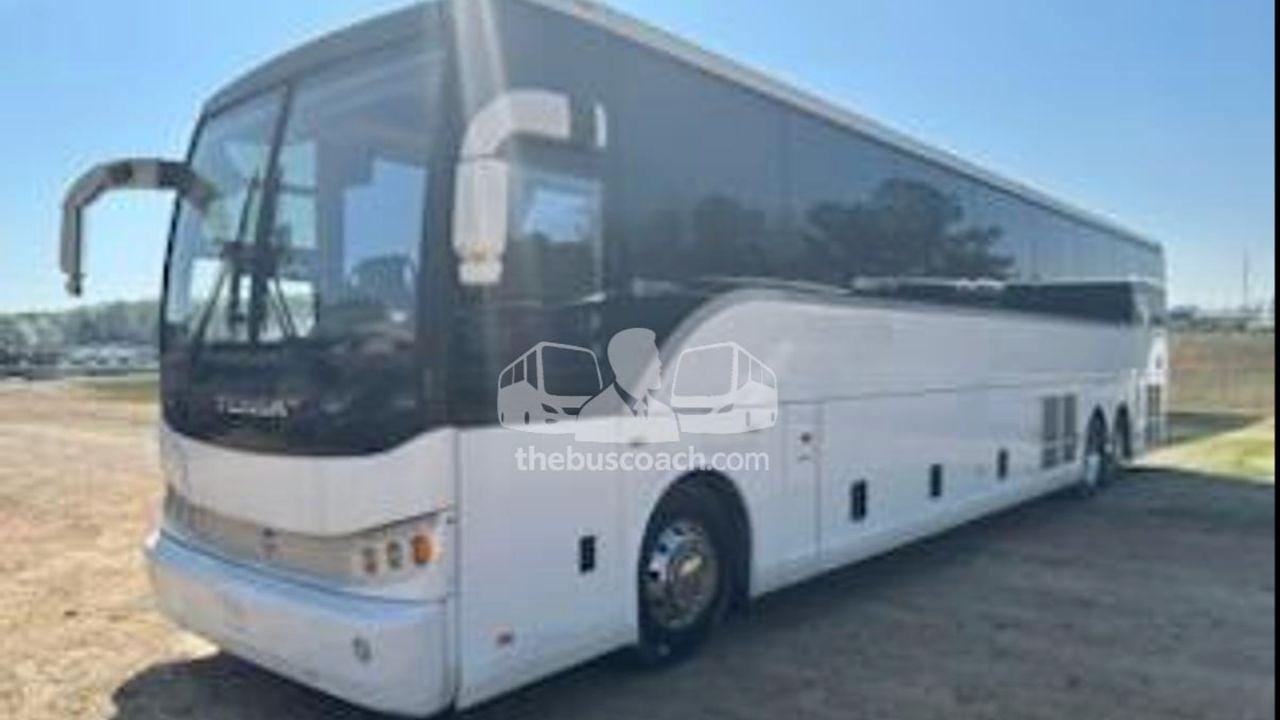
Buying a Ford E-450 shuttle bus is more than comparing asking prices. The chassis is only part of the equation. You also need to look at the body builder, seating layout, service history, accessibility equipment, and total operating cost.
Before you make an offer, ask these five questions. They can help you spot problems before they become expensive ones.
Why the Ford E450 Shuttle Bus Is a Smart Pick
Ford E-450 cutaway buses come in many passenger configurations. Final seating depends on the body builder, floor plan, accessibility equipment, and intended use. It handles airport runs, hotel shuttles, and school trips.
It is not the biggest bus. But it is flexible. Its size makes it useful for airport transfers, hotel shuttles, employee transportation, tours, and other smaller-group work.
You can find new units or used ones. Used E-450 shuttle buses can span a wide price range. Year, mileage, body builder, seating layout, ADA equipment, condition, and service history can move the price substantially. It depends on year, mileage, body builder, and ADA gear.
Browse our FORD E450 listings or browse all ford e450 shuttle bus options we carry.
Ford E450 Shuttle Bus Specs at a Glance (2014–2026)
Engine: 7.3L Gas V8
Capacity: 14–25 seats
GVWR: 14,500 lbs
Avg Price: $15K–$50K
Best For: Short routes, low upfront cost
Engine: 6.7L Diesel
Capacity: 14–29 seats
GVWR: 16,000 lbs
Avg Price: $25K–$80K
Best For: Long haul, high mileage, fuel savings
Engine: Electric (Micro Bird)
Capacity: Up to 21 seats
GVWR: 14,500 lbs
Avg Price: $90K+
Best For: Urban, zero-emission zones
5 Questions to Ask Before Buying a Ford E-450 Shuttle Bus
Question 1: What Engine and Drivetrain Does It Have?
Start with the basics. Find out which engine and transmission the bus has, along with its current mileage and maintenance history. Ford E-450 powertrain options vary by model year, so don't assume every E-450 has the same setup.
Also ask how the bus was used. A shuttle that spent years on short, stop-and-go routes may have a different wear pattern from one that mostly ran on highways.
Ask the seller:
- What engine does it have?
- Which transmission is installed?
- What is the current mileage?
- Are engine hours available?
- Has the engine or transmission had major repairs?
- Can I see the powertrain service records?
Mileage matters, but it should not be the only number you consider. Look at the engine, transmission, mileage, hours, and service history together.
Question 2: Who Built the Body?
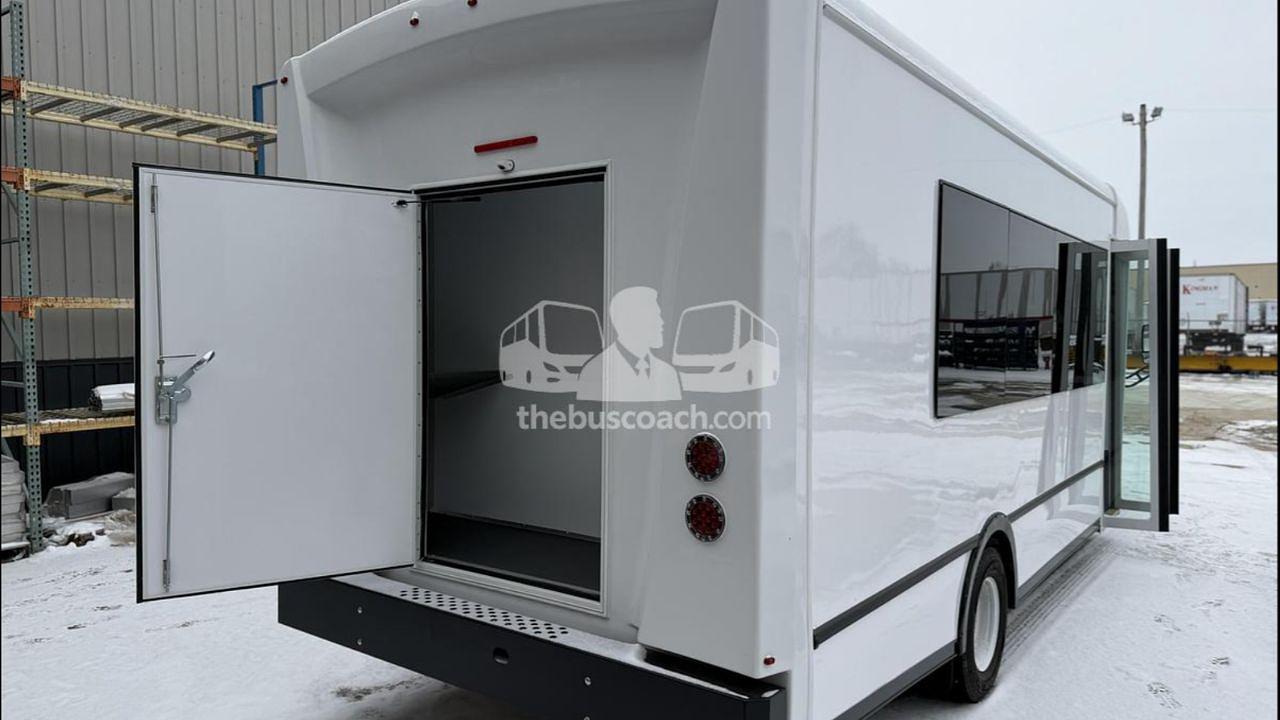
Ford supplies the E-450 chassis, but a separate manufacturer typically completes the shuttle body. That means two E-450s from the same model year can have very different passenger layouts and equipment.
Find out who built the body and what equipment came with it. Check the seats, flooring, windows, doors, HVAC system, storage, and accessibility equipment. These components can affect both operating costs and future repairs.
Ask the seller:
- Who built the body?
- What year was the body built?
- How many passenger seats are installed?
- Does it have a wheelchair lift or ramp?
- What accessibility equipment is included?
- Are replacement body components available?
Don't evaluate the Ford chassis alone. The body is a major part of the bus you are buying.
Question 3: What Are the Actual Seating Capacity and GVWR?
Don't rely only on the number in the listing title. Verify the finished bus' actual seating configuration and GVWR before you buy.
Seating can vary based on the body builder, floor plan, and accessibility equipment. GVWR matters too because it affects the vehicle's weight rating and can factor into licensing and operating requirements.
Ask the seller:
- How many passenger seats are installed?
- How many wheelchair positions are available?
- Are seat belts installed at the passenger positions?
- What is the vehicle's GVWR?
- Has the seating configuration been modified?
- Does the current configuration match the vehicle documentation?
If you are buying the bus for commercial passenger service, confirm the licensing and operating requirements that apply to your specific vehicle and state before putting it on the road.
Question 4: What Is the Complete Cost of Ownership?
The purchase price is only one part of the cost. Before making an offer, estimate what the bus could cost to operate during your first year.
Consider fuel, tires, brakes, scheduled maintenance, repairs, insurance, inspections, and potential downtime. An older bus may also need several repairs soon after purchase, even if it appears to run well during a test drive.
Ask the seller:
- What fuel economy has the bus actually delivered?
- When were the tires replaced?
- When were the brakes last serviced?
- What major components were recently replaced?
- Are there known repairs coming due?
- What maintenance has been completed recently?
A lower purchase price isn't always the better deal. Compare the bus' condition and expected near-term expenses with the asking price.
Question 5: What Does the Service History Show?
A clean-looking shuttle bus can still have expensive problems. Service records give you a better idea of how the vehicle was maintained and what major work has already been completed.
Look for records covering routine maintenance as well as larger repairs. Pay particular attention to the engine, transmission, brakes, tires, HVAC system, suspension, and accessibility equipment.
Ask the seller:
- Can I review the service records?
- When was the last major service?
- What major components have been replaced?
- Has the bus been involved in any accidents?
- Are there outstanding repairs?
- Can I have an independent shop inspect it?
If the records are incomplete, don't automatically walk away. Treat the missing history as a reason to investigate the bus more carefully and account for the added risk when negotiating the price.
Gas vs. Electric: Which E-450 Setup Fits Your Operation?
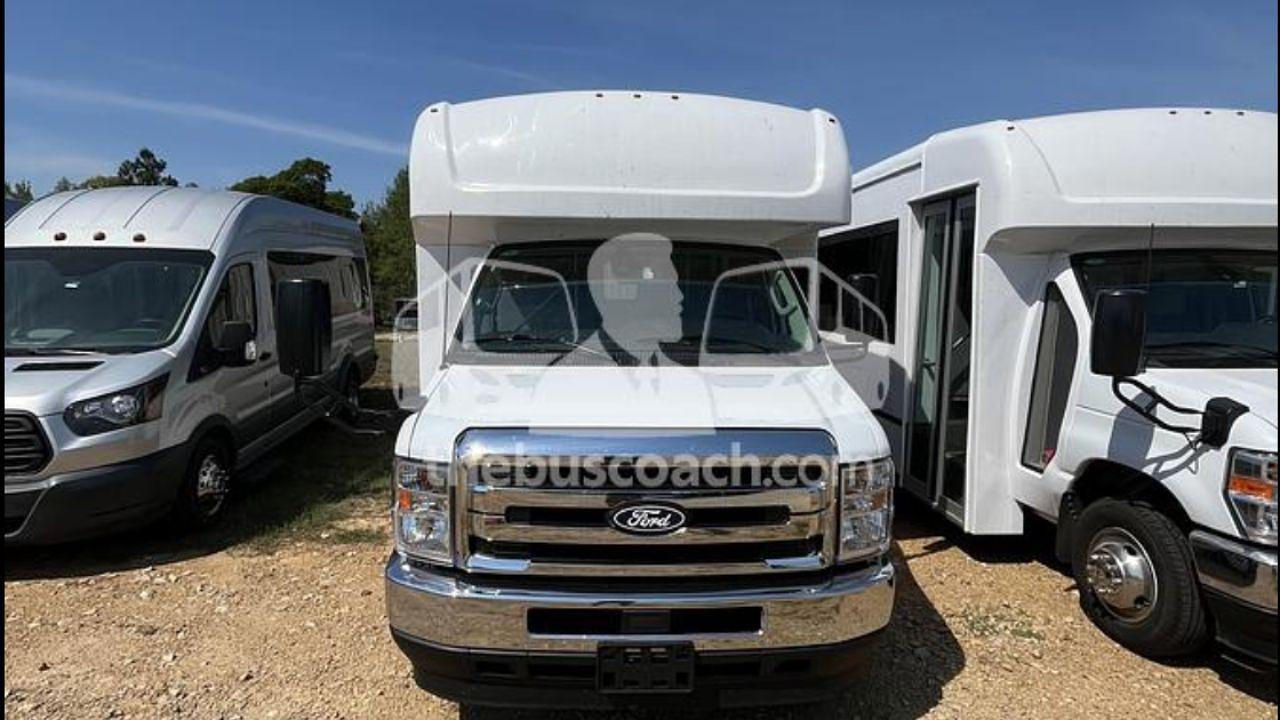
Gas E-450 shuttles are a practical choice for operators that need route flexibility and easy access to fueling and service. Electric E-450-based shuttles can make sense for predictable local routes with reliable charging.
Before choosing, compare your daily mileage, route schedule, fueling or charging access, and expected operating costs. The best setup is the one that fits how your fleet actually runs.
Quick Checklist Before You Sign
- Engine type and mileage verified?
- Body builder name and ADA status confirmed?
- Seating capacity matches your route needs?
- Total cost of ownership calculated?
- Full service records reviewed?
If you answered yes to all, you are in good shape. If not, dig deeper or walk away. There is always another bus.
Final Thought
Buying a Ford E450 shuttle bus is about your business, your reputation, and your peace of mind.
Ask the hard questions. Get the records. Know the true cost. Plan for service.
Because the best bus is not the cheapest one. It is the one that keeps running when you need it most.
What would your next contract be worth if your bus broke down tomorrow?
FAQs
Do I need a CDL to drive a Ford E-450 shuttle bus?
It depends on the finished vehicle and where you operate. Under federal rules, a CDL is generally required for vehicles with a GVWR of 26,001 pounds or more or vehicles designed to carry 16 or more passengers, including the driver. State requirements can differ, so check the rules that apply to your operation.
What is the best year to buy?
There isn't one best model year for every operator. Compare age, mileage, maintenance history, body condition, emissions equipment, configuration, and asking price together.
How much does ADA retrofit cost?
ADA retrofits can be expensive, especially when structural or electrical modifications are needed. Get a written quote before assuming a non-accessible bus is cheaper. Depends on body type.
Can I remove seats from an E-450 shuttle bus?
Seat changes can affect the vehicle's approved configuration and operating requirements. Before modifying the seating layout, confirm the requirements with the body manufacturer, applicable state or federal authorities, and your insurer.
What mileage is too high for a diesel?
There isn't one mileage number that automatically makes a shuttle bus a bad buy. Look at mileage alongside engine hours, maintenance records, transmission history, major repairs, body condition, and asking price.