
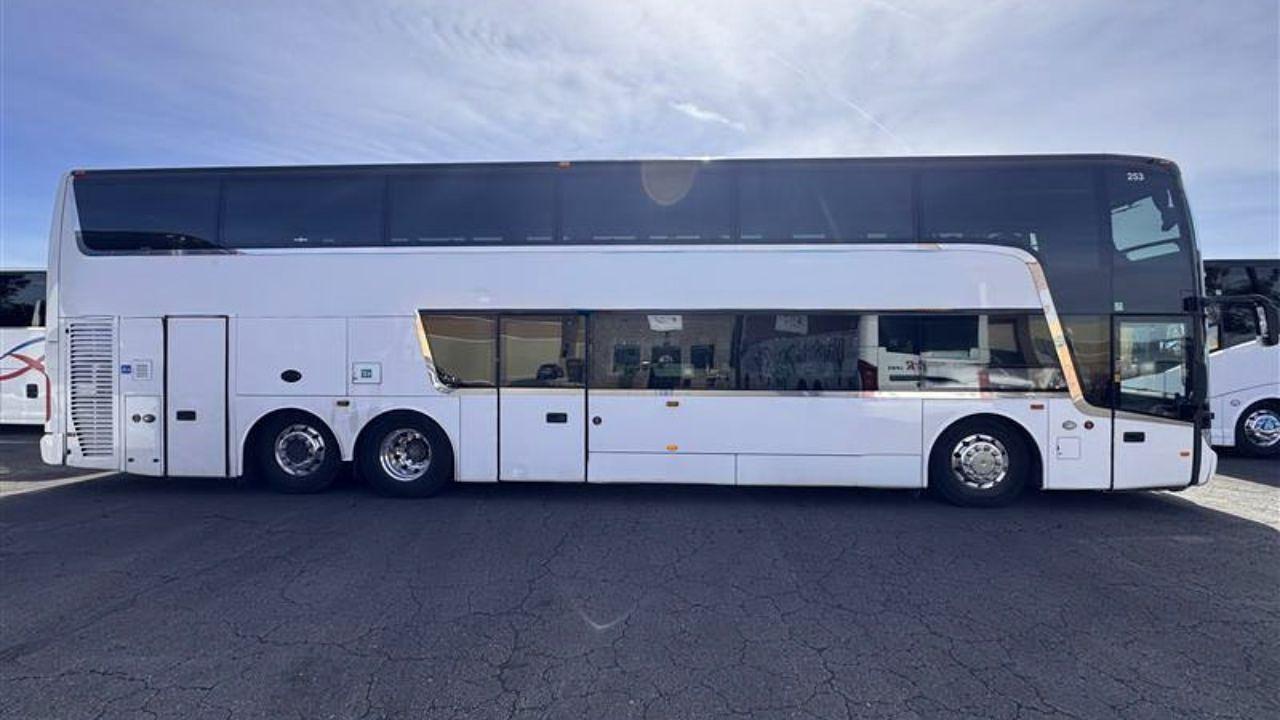
An overnight trip can save a group the cost of a hotel room and a full day of driving. Sleeper coaches push that idea further, giving passengers a real place to sleep while the bus keeps moving. Picking one isn't just about comfort, though. Capacity, layout, storage, amenities, and running costs all factor into the decision.
Below is a rundown of the main sleeper-coach options on the market, along with what operators should weigh before chartering one or adding one to a fleet.
What Is a Sleeper Coach Bus?
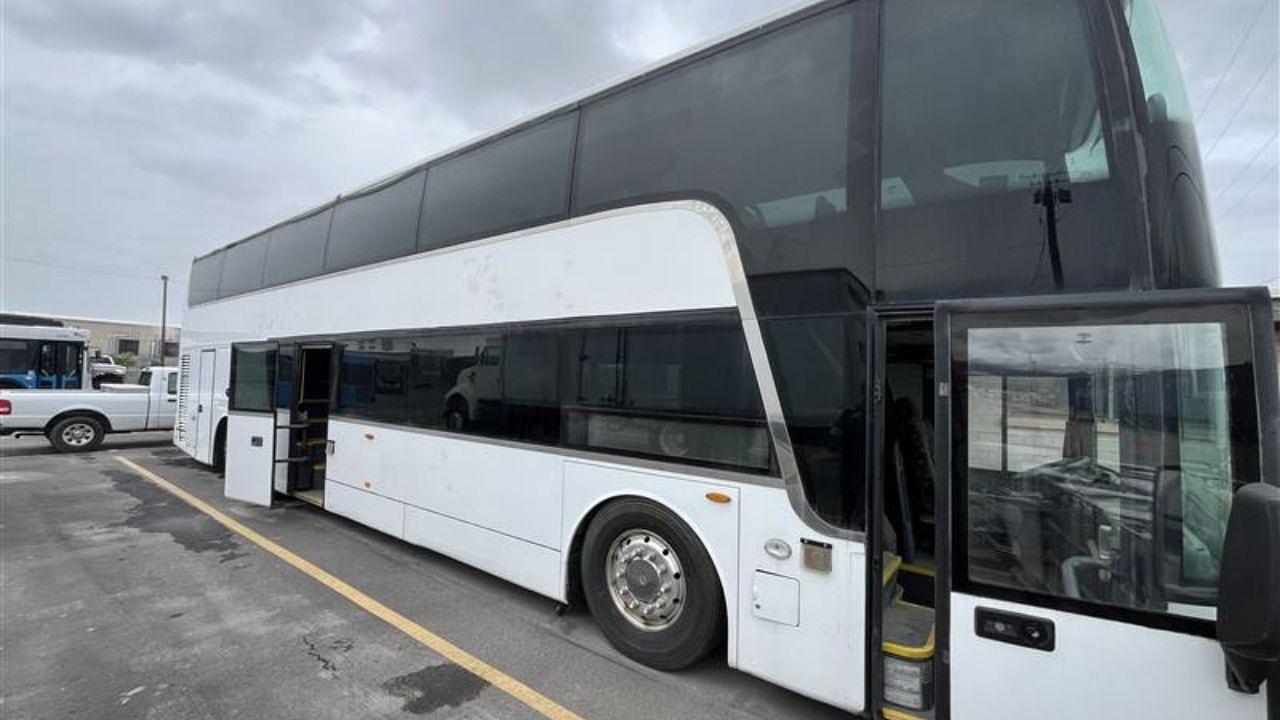
A sleeper coach is a motorcoach built or converted for overnight travel. Depending on the vehicle, that might mean private suites, bunk beds, lie-flat seats, or seating that converts into a bed.
Amenities differ a lot from one coach to the next. Some include restrooms, kitchens, lounge areas, entertainment systems, and room for gear. Others are stripped down and built mainly around sleeping capacity.
The right choice comes down to how the coach will be used. A touring musician needs bunks and space for equipment. A sports team cares more about passenger count and gear room. A corporate group might want privacy and a spot to work.
How We Selected These Sleeper Coach Options
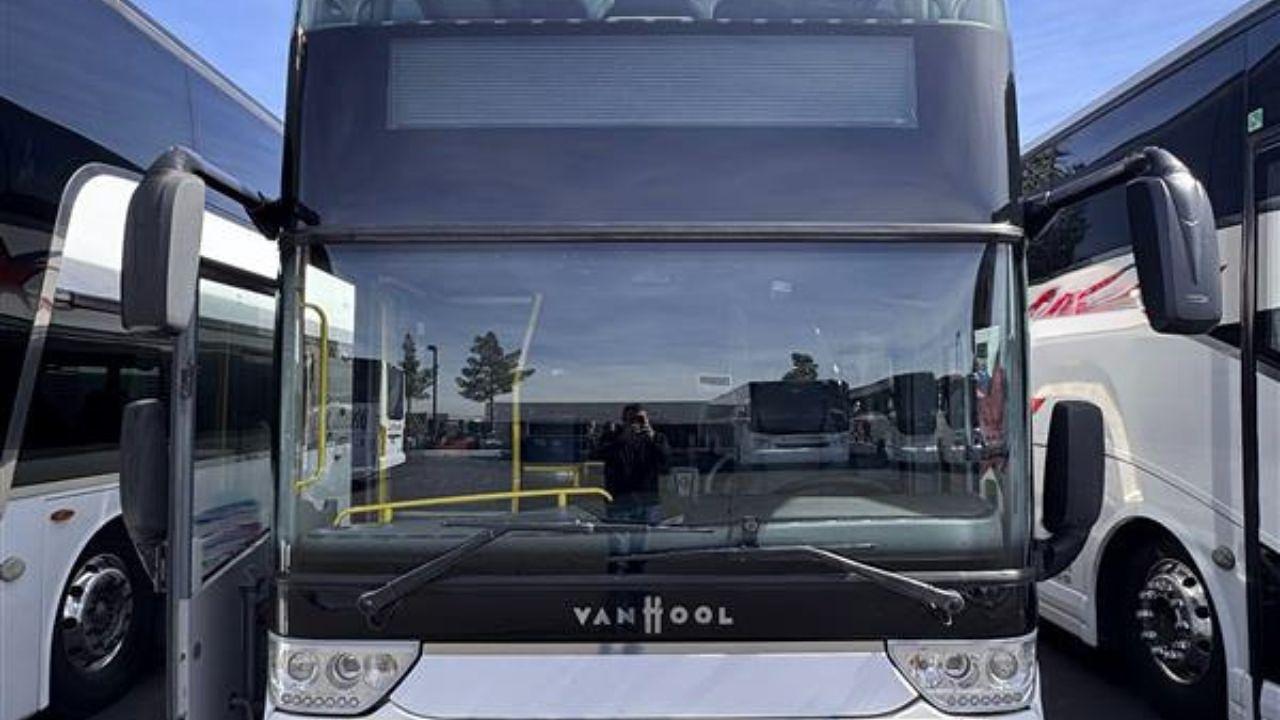
This list leans on established operators and well-known scheduled carriers with public information about their vehicles or services. It includes true sleeper coaches as well as two conventional overnight bus alternatives.
Worth noting: FlixBus and Greyhound both run overnight service, but their standard buses use reclining seats, not dedicated sleeping accommodations.
1. Napaway: Best for Private Sleeper Suites
Napaway builds its business around premium overnight travel, with convertible seating and private lie-flat suites. Depending on the configuration, it can shift between more daytime seating or more sleeping capacity.
This works well for travelers who want their own space. It is also a good example, for operators weighing sleeper layouts, of how much passenger capacity drops once a coach is redesigned for sleeping instead of seating.
2. Windstar Lines: Best for Sports Teams and Groups
Windstar Lines runs sleeper coaches aimed at group travel. Its fleet includes configurations with sleeping space, restrooms, entertainment features, and room for luggage and equipment.
Windstar reports a satisfactory safety rating from the U.S. Department of Transportation. Even so, operators should check current safety and registration details themselves before booking or partnering with any carrier.
For sports teams and touring groups, gear capacity often matters as much as passenger count. A sleeper coach has to move both the team and everything it travels with.
3. Catch Transportation: Best for Touring Musicians
Catch Transportation focuses on sleeper transport for touring and entertainment work. Its coaches come with private bunks, hotel-grade bedding, kitchens, and onboard bathrooms.
That setup fits musicians and production crews moving from show to show, where the bus isn't just transportation — it's part of the operation itself.
For operators, Catch shows how far a coach can be specialized around one type of customer.
4. US Coachways: Best for Executive and Entertainment Travel
US Coachways offers both executive and sleeper buses for groups that need more than a standard charter. Depending on the coach, that can mean sleeping space, kitchens, bathrooms, entertainment systems, or a workspace.
Which one makes sense depends on the trip. An executive group might prioritize seating and connectivity; an entertainment crew might need bunks and storage for equipment instead.
Anyone considering a similar purchase should start with the actual jobs the coach needs to do. A highly specialized layout can work well for one purpose but leaves less room for general charter work.
5. FlixBus: Best for Budget Overnight Travel
FlixBus takes a different approach than the dedicated sleeper operators above — its buses use reclining seats rather than bunks or private suites.
That keeps costs down for passengers who just need to get from one city to another overnight. Fares shift with route, date, demand, and how early you book, so there's no fixed price to point to.
FlixBus is also a useful reminder that overnight travel doesn't automatically call for a sleeper coach. What equipment makes sense depends on what riders are willing to pay for and how often the vehicle will actually run.
6. Greyhound: Best for Scheduled Intercity Travel
Greyhound is another conventional option rather than a dedicated sleeper service. Depending on the route and bus, riders may get reclining seats, power outlets, Wi-Fi, and an onboard restroom.
It's a solid fit when scheduled intercity transportation matters more than private sleeping space.
But for a private operator, a scheduled carrier and a sleeper charter are really two different businesses. Comparing them on ticket price alone ignores things like vehicle ownership, utilization, staffing, and scheduling flexibility.
7. Buying a Sleeper Coach: Best for Operators With Recurring Demand
An operator running overnight trips regularly may come out ahead buying a sleeper coach instead of chartering one each time. Ownership means more control over configuration, availability, branding, and scheduling.
It also comes with more to manage — maintenance, insurance, driver costs, storage, financing, and keeping the vehicle in use often enough to justify owning it.
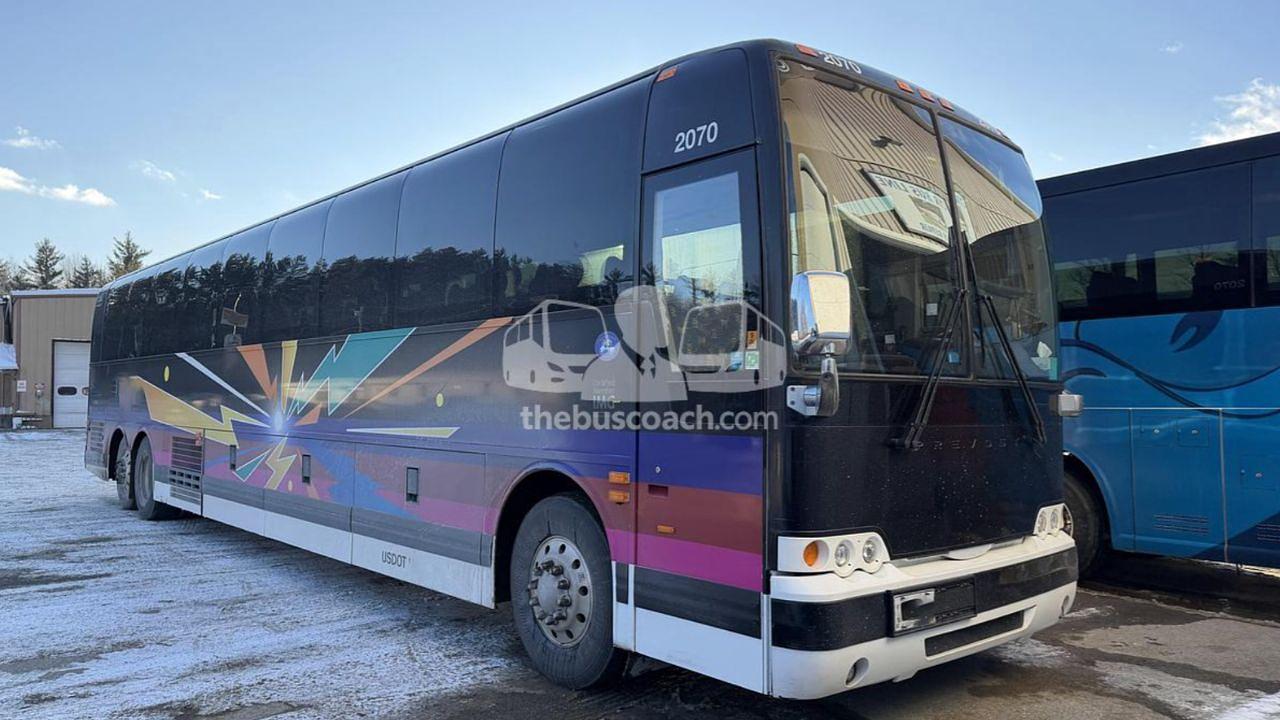
Used buses are worth a look here too. A pre-owned coach can deliver the right configuration without the price tag of a new one, as long as its condition, capacity, layout, and maintenance history line up with the work planned for it.
The Bus Coach can help operators sort through available inventory based on how they actually plan to use a vehicle, rather than defaulting to the newest or priciest option.
Sleeper Coach Comparison
Option: Napaway
Best For: Premium overnight travel
Configuration: Lie-flat sleeper suites
Booking Model: Scheduled/charter
Option: Windstar Lines
Best For: Sports and group travel
Configuration: Sleeper coach
Booking Model: Charter
Option: Catch Transportation
Best For: Touring and production
Configuration: Private bunks
Booking Model: Charter
Option: US Coachways
Best For: Executive and entertainment travel
Configuration: Sleeper/executive coaches
Booking Model: Charter
Option: FlixBus
Best For: Budget overnight travel
Configuration: Reclining seats
Booking Model: Ticket
Option: Greyhound
Best For: Scheduled intercity travel
Configuration: Reclining seats
Booking Model: Ticket
Option: Sleeper coach ownership
Best For: Recurring operator demand
Configuration: Application-specific
Booking Model: Purchase/finance
How Much Does a Sleeper Coach Cost?
There's no single price tag for a sleeper coach. A charter can swing based on distance, trip length, coach configuration, passenger count, driver requirements, and other operating costs.
Ownership is its own calculation — purchase price plus financing, maintenance, insurance, fuel, staffing, storage, and eventual resale value.
Looking only at the sticker price can steer operators wrong. A cheaper vehicle might cost more to run day to day, while a heavily specialized coach might sit idle outside a narrow set of trips.
A better question to ask: how much revenue can this vehicle realistically bring in relative to what it costs to own and run over time?
Should You Buy or Charter a Sleeper Coach?
Chartering tends to make sense when overnight trips come up occasionally or demand shifts through the year — it avoids parking another specialized vehicle in the fleet most of the time.
Buying pays off when demand is steady enough to keep the coach in regular use. It also hands operators more control over scheduling and how the vehicle is configured.
Before deciding, it helps to compare:
- Expected annual utilization
- Passenger capacity
- Sleeping configuration
- Maintenance requirements
- Financing costs
- Insurance and operating expenses
- Storage needs
- Expected resale value
A fleet doesn't need to be all specialized coaches. Standard buses can cover most trips while one sleeper coach handles a specific, profitable slice of the work.
Is a Sleeper Coach Safe?
Safety comes down to the operator, the vehicle, the drivers, the maintenance program, and how the whole operation runs day to day. For interstate carriers, check the company's FMCSA record and safety history before booking.
Anyone buying a sleeper coach should also dig into maintenance records, inspection history, vehicle condition, and the sleeper conversion itself.
However comfortable the interior is, it is still a commercial vehicle that needs to be maintained like one.
Sleeper Coach vs. Flying vs. Train
Flying still wins on speed for most long-distance trips, and rail can offer more room on routes with decent overnight service.
A sleeper coach earns its place when a group wants to travel together, skip a hotel night, or turn the overnight leg into actual rest instead of dead time.
For operators, the comparison looks different. It's less about which mode is most comfortable and more about whether a sleeper configuration generates enough demand and revenue to justify buying and running one.
The right coach is the one that matches the work you actually have — not the one with the longest amenities list.
For operators looking into sleeper coaches, the real starting point isn't the flashiest bus on the lot. It's figuring out where the vehicle will actually earn its keep, how often it will run, and what the fleet can realistically support long term.
Frequently Asked Questions
Do sleeper coaches have bathrooms?
Many dedicated sleeper coaches do, though it varies by configuration, and some premium vehicles offer extra facilities. Confirm the specific coach before booking.
How many people fit on a sleeper coach?
It depends heavily on layout. Some entertainment-focused coaches hold around 12 passengers, while larger designs sleep more than 20 or offer 30-plus daytime seats.
Can sleeper coaches carry luggage or equipment?
Most dedicated sleeper coaches include some storage, but capacity depends on the vehicle and interior layout. Match the storage to the trips you're actually planning to run.
Should an operator buy a new or used sleeper coach?
It comes down to budget, expected utilization, condition, configuration, and long-term fleet plans. A well-maintained used coach can be the more practical choice when it fits the application and its history checks out.