
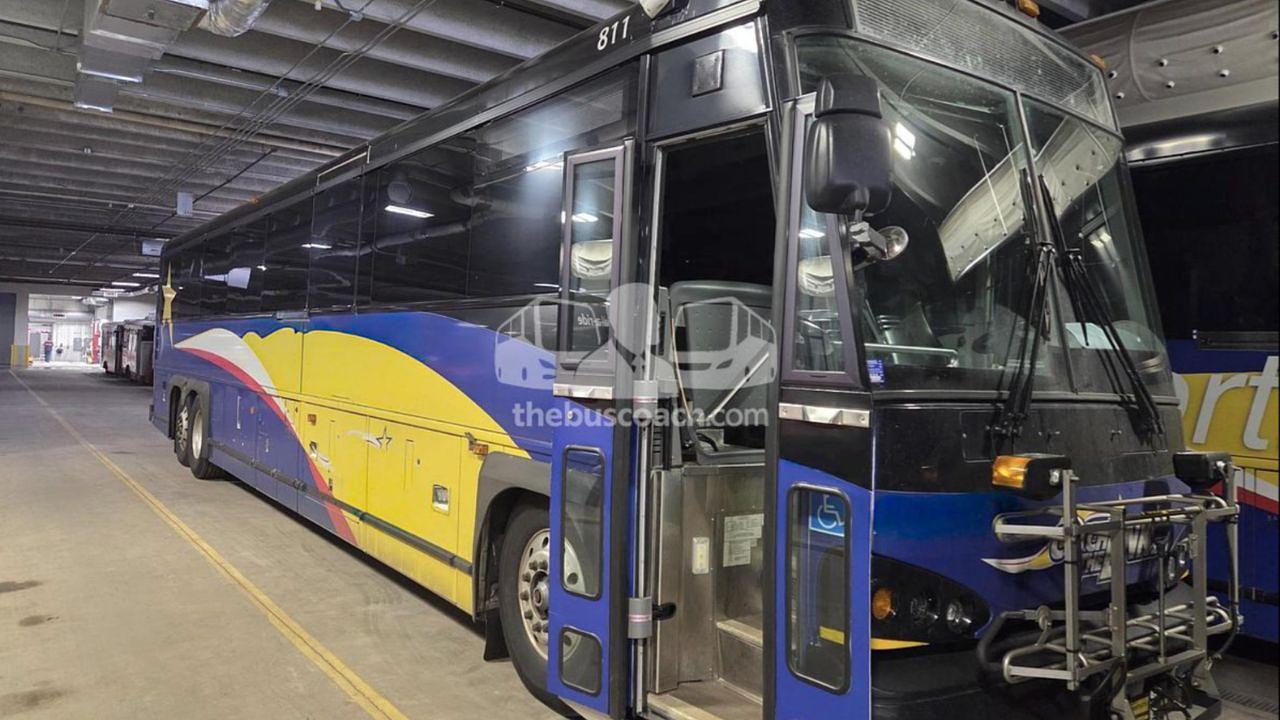
Mileage. Engine. Transmission. Frame. Interior. Service records. Title history. Seven things, that's it. Skip one and that low asking price turns into a five-figure repair bill real fast.
Is a Used MCI D4500 Worth Buying?
Depends less on the coach, more on what's been done to it. A used D4500 gets you a full-size coach without newer-coach money, and that is the whole draw. But these D-Series coaches span a lot of generations and builds, so maintenance history and powertrain condition usually say more than the model name ever will.
Before you start comparing prices, find out how the coach actually got used. Daily commuter routes wear a bus differently than the occasional weekend charter, even at identical mileage.
MCI D4500 Specifications at a Glance
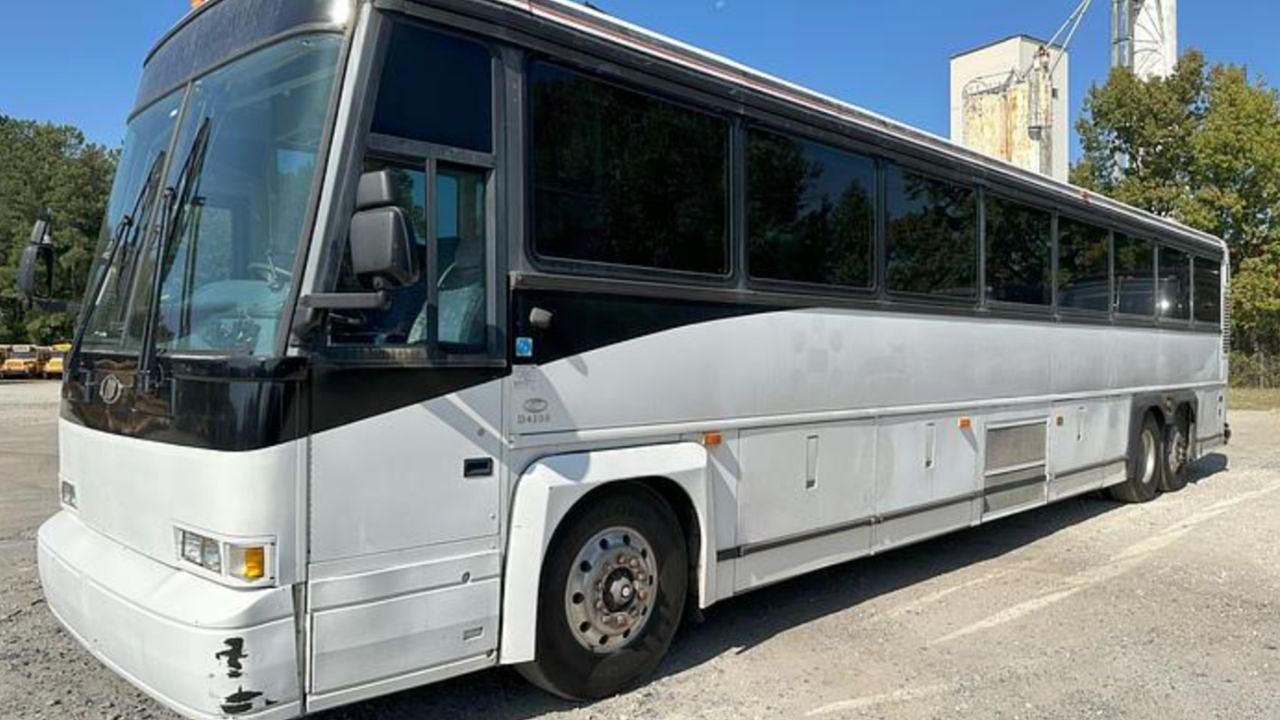
Spec: Length
What to Verify: Confirm the exact coach configuration
Spec: Seating
What to Verify: Verify the installed passenger capacity
Spec: Engine
What to Verify: Confirm engine and model year
Spec: Transmission
What to Verify: Confirm the transmission and service history
Spec: Mileage
What to Verify: Compare mileage with engine hours and records
Spec: Lavatory
What to Verify: Confirm whether one is equipped and inspect its condition
Specifications shift by model year and build. Check the actual coach, not a generic spec sheet pulled off the internet.
1. Mileage and Engine Hours
Surprising but true: a D4500 with 700,000 miles and a full paper trail can beat one with half that and nothing to back it up. Ask for actual engine hours, not just the odometer reading. Idle time and highway miles wear an engine in completely different ways.
Mileage matters. It just shouldn't be the only thing you look at. Weigh it against age, service history, and whatever major work's already happened.
So ask. What's the current mileage? Are engine hours on record? How was it actually used day to day? Has the engine had major work? And can you see the service records yourself, not just hear about them?
2. Engine and Emissions System
This is where people get tripped up. Emissions rules changed more than once, so a D4500 from one model year can run a totally different engine and emissions system than one built a few years later.
Get later-model coaches checked as part of your pre-purchase inspection. Depending on the year, that might mean the DPF, SCR, DEF system, and whatever sensors feed into all of it.
Find out which engine's actually installed, what emissions system it runs, whether that system needs major repairs, and whether the paperwork matches what is under the hood. Ask about active warning lights too, since those don't fix themselves.
Two D4500s sharing a badge doesn't mean they share a powertrain.
3. Transmission and Drivetrain Wear
Take a real road test, not a lap around the lot. Listen for hard or delayed shifting. Pay attention under acceleration and braking. Ask when the transmission was last serviced while you're standing there.
A road test tells you plenty, but it's no substitute for a professional drivetrain inspection. Get both, not one or the other.
Repowered or had major drivetrain work? Get the paperwork. That single detail can swing the coach's value and how much life is realistically left in it.
4. Frame and Structural Condition
Rust hides under fresh paint. Don't judge this one from across the lot. Get the frame rails, suspension mounts, and underbody properly inspected, not just glanced at.
Check the baggage bays and floor areas too. Water intrusion causes expensive problems a quick walk-around won't catch.
Winters on salted roads? Take corrosion seriously. It's almost always worse than it looks from the outside.
5. Interior and Seating Configuration
Capacity varies coach to coach. Don't assume every D4500 you look at has the same layout.
Standard configurations tend to resell easier, mostly because more operators already know what to do with them. But resale shouldn't run the whole decision. Pick what fits your actual loads, routes, and contracts.
Count the seats. Check they're properly secured. Confirm belts are in place where required. Ask if the layout's ever been modified, and whether it matches the vehicle's documentation. If accessibility equipment matters for your routes, ask about that too.
The right capacity isn't the most common one. It's the one your operation can actually use, week after week.
6. Maintenance and Service Records
Records tell you more than a clean interior or fresh paint ever will. Ask for whatever maintenance history exists, recent inspections included.
Look specifically for engine, transmission, brakes, tires, batteries, HVAC, and suspension records.
Ask to see them yourself. When was the last major service. What's been replaced already. When were tires and brakes last swapped. Any outstanding repairs sitting unresolved. Has the lavatory been serviced recently.
Incomplete records don't automatically mean a bad coach. But missing history adds real uncertainty, so price that risk in.
7. Title, VIN History, and Inspection Records
Verify the VIN before anything gets signed. Make sure it matches the paperwork. Check the title for liens.
Go through whatever inspection and safety records exist. If there's been an accident or major repair, find out what actually got done and who did it.
Tedious, yes. Still easier than sorting paperwork problems after you've already paid.
What Determines an MCI D4500's Price?
No single number applies here. Prices swing on model year, mileage, engine and transmission condition, maintenance history, seating setup, and general condition.
When comparing listings, look past the sticker price. Weigh mileage and recent repairs right alongside it.
Should You Get a Pre-Purchase Inspection?
Yes. Get an independent technician on the engine, transmission, frame, suspension, brakes, HVAC, and tires. The inspection fee is nothing next to what a major repair would cost you later.
Photos narrow down your options. They are not a substitute for seeing the coach in person.
MCI D4500 vs. J4500: Which Should You Buy?
D4500 makes sense when upfront cost and a proven track record matter most. J4500 tends to appeal to operators wanting a newer look and more current features.
Either way, judge the actual coach, not the badge. Condition and maintenance history beat model names every time.
Where to Find a Used MCI D4500
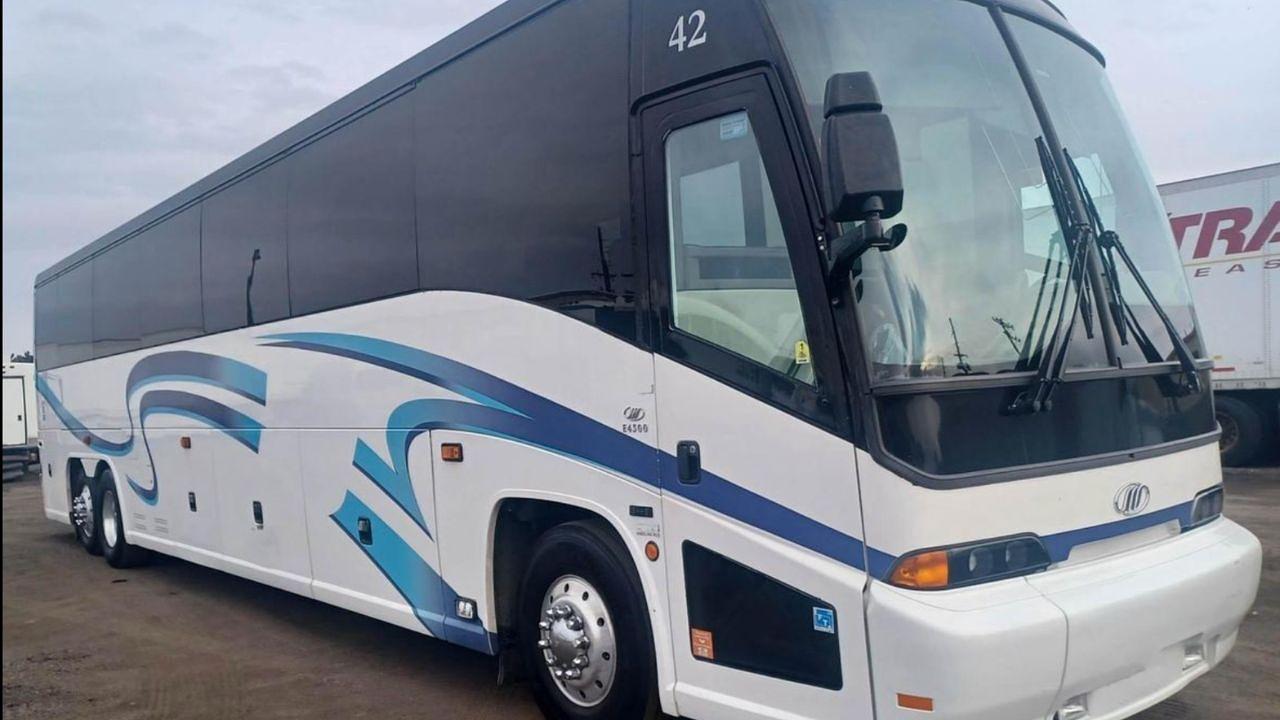
Take a look through current MCI D4500 listings and compare mileage, configurations, and asking prices yourself.
Real inventory gives you a clearer picture than any generic price range could.
Quick Checklist Before You Buy
- VIN and title verified?
- Mileage and engine hours checked?
- Engine and transmission inspected?
- Frame and underbody checked?
- Seating and accessibility equipment confirmed?
- Service records reviewed?
- Independent pre-purchase inspection completed?
Answered no to any of these? Slow down before making an offer. The right D4500 isn't the newest one or the cheapest one. It's the coach whose condition and running costs actually make sense for your business.
FAQs
How many miles is too many on a D4500?
No universal cutoff. Weigh mileage against engine hours and overall condition before ruling anything out.
Does a D4500 have a bathroom?
Many full-size ones do, but the setup depends on the specific coach. Confirm it on the one you're actually considering.
Is the D4500 still in production?
It is a legacy model now. MCI still builds D-Series coaches, just under different names these days.