
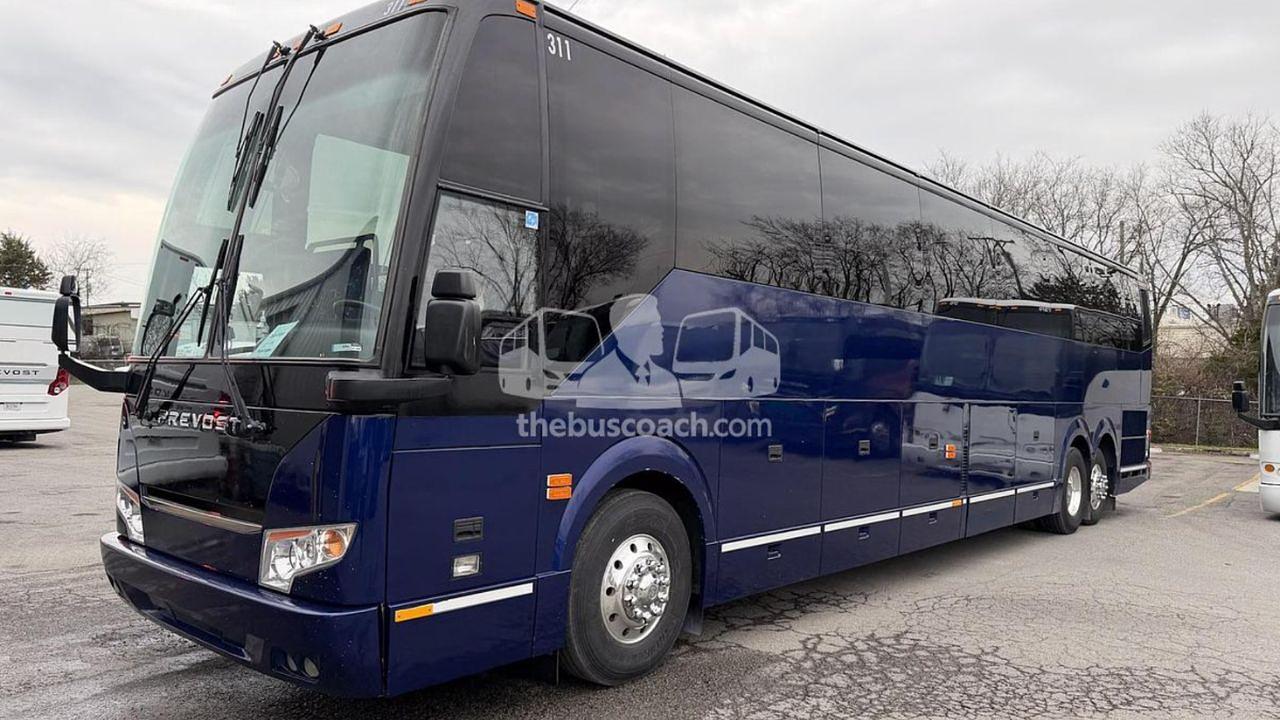
Bus leasing lets you put a coach or shuttle into service without paying the full purchase price upfront. The right structure depends on how long you need the vehicle, how your revenue moves through the year, and whether you plan to own it eventually.
For charter and shuttle operators, that flexibility matters more than it might seem at first. Cash tied up in one bus is cash you don't have for payroll, repairs, insurance, or your next vehicle.
Leasing isn't one-size-fits-all, though. Different structures handle payments, ownership, and end-of-term options in genuinely different ways.
Why Leasing Makes Sense for Charter and Shuttle Operators
Bus revenue rarely looks the same every month. Tour operators tend to see stronger summer demand. School trips create their own seasonal spikes. A commuter shuttle, on the other hand, often runs on a steadier schedule year-round.
That variability makes cash flow a central part of any fleet decision, not an afterthought.
Leasing reduces how much cash you need upfront, and some commercial lease structures adjust payments around business cycles too. Seasonal, step-up, and step-down payment schedules all exist in commercial vehicle financing for exactly this reason.
The goal here isn't finding the lowest monthly payment. It is choosing a structure your business can actually support through both busy and slow stretches.
Taxes come into this as well. Business lease payments are often deductible when the agreement genuinely qualifies as a lease and the vehicle sees business use, though the specifics depend on the agreement itself and how you use the vehicle. Some arrangements end up treated as a purchase for tax purposes instead. Talk with your accountant before deciding anything here.
Which Bus Should You Lease?
The lease structure matters, but so does the vehicle itself.
Vehicle type: Shuttle bus
Typical use: Hotel, airport, employee, and local shuttle work
Vehicle type: Coach bus
Typical use: Charter, tour, group, and longer-distance service
Vehicle type: Standard motorcoach
Typical use: High-capacity charter and tour work
Vehicle type: Specialty coach
Typical use: Routes or contracts with specific passenger or equipment needs
Passenger capacity shifts with chassis, body builder, floor plan, and equipment, so seat count alone won't tell you enough to decide.
Weigh your typical passenger loads, luggage needs, accessibility requirements, route length, and expected utilization instead. A standard coach tends to deploy more easily across different charter jobs. A specialty coach earns its place when a specific contract or customer base actually supports one.
What Does Bus Leasing Cost?
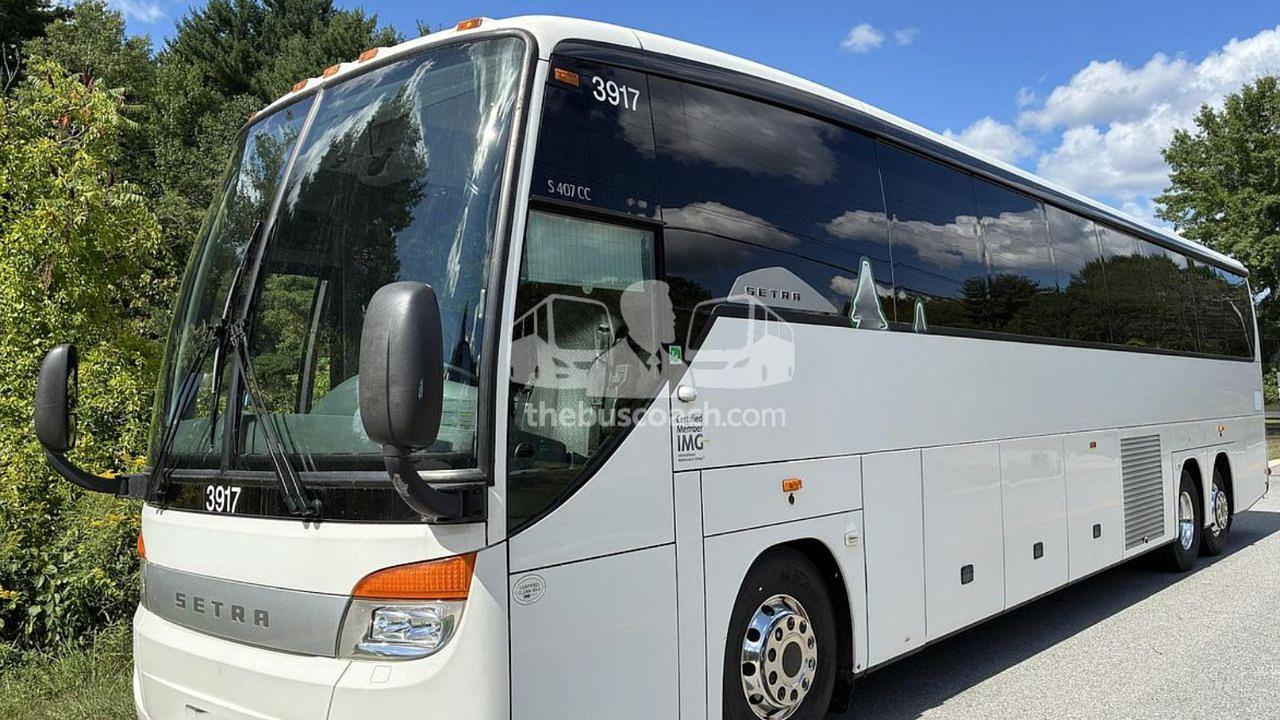
There is no single number for bus leasing cost. Your payment shifts with several factors at once:
- Vehicle age and condition
- Purchase price
- Lease term
- Down payment
- Credit profile
- Residual value
- Vehicle type
- Lease structure
- End-of-term purchase terms
A newer motorcoach generally needs more capital than a smaller shuttle, though that alone doesn't make it the better or worse lease.
Skip judging offers by the monthly payment alone. Look at the total amount paid, upfront costs, mileage or return conditions, residual obligation, and what actually happens once the lease ends.
FMV leases can offer lower payments in some cases, since you are paying for use while keeping the option to buy at fair market value later. TRAC leases work off a predetermined residual structure instead, which opens up different end-of-term options.
5 Bus Leasing Plans to Consider
1. Fair Market Value Lease. An FMV lease centers on using the vehicle rather than automatically owning it. At the end of the term, you might return the vehicle, renew, or buy it at fair market value, depending on the contract. This tends to appeal to operators who want flexibility as their fleet changes over time.
2. TRAC Lease. A TRAC, or Terminal Rental Adjustment Clause, lease sets a predetermined residual value up front. Payments often run lower than ownership-focused financing, while still leaving options open at lease maturity. One thing worth remembering: TRAC payments don't automatically build equity in the bus. The contract itself determines ownership and residual terms.
3. Seasonal Payment Structure. This helps operators whose revenue shifts significantly across the year. Some commercial financing programs let payment schedules follow business cycles directly, meaning lower payments during slower months and higher ones when revenue picks back up. Worth a real conversation if your fleet sits idle certain months of the year.
4. Step-Up Payment Structure. Payments start lower here and increase on an agreed schedule. Useful if you are expecting revenue to grow as a new vehicle enters service or a new contract ramps up. The real question is whether your projected revenue can actually support those later, higher payments.
5. Step-Down or Fixed Payment Structure. Step-down payments start higher and taper off over time. Fixed payments just stay the same throughout, which keeps things predictable. Which one fits depends on your current cash position, contract timing, and long-term plans for the vehicle. Look at the full payment schedule here, not just the first year.
Which Leasing Plan Fits Your Fleet?
Start with three real questions.
How long will you actually keep the bus? Want to change vehicles regularly? An FMV structure might offer the flexibility you are after. Planning around ownership instead? TRAC and other ownership-focused structures deserve a closer look.
How predictable is your revenue? Steady revenue tends to make fixed payments easier to live with. Seasonal operators often do better with a structure built around their actual business cycle.
What happens once the lease ends? Know upfront whether you will return the vehicle, purchase it, refinance a residual amount, or have other paths available.
Credit matters here too, since most commercial financing programs weigh creditworthiness when setting eligibility, terms, and down payment requirements. A specialized financing partner tends to understand bus values and commercial passenger operations better than a lender mainly built around standard consumer vehicles.
What to Check Before Signing a Bus Lease
Look past the monthly payment before accepting any offer. Review these instead:
Total upfront costs
- Monthly payment schedule
- Lease term
- Mileage or usage restrictions
- Residual value
- Purchase option
- Return conditions
- Maintenance responsibilities
- Insurance requirements
- Early termination terms
- Fees and other charges
Then weigh the lease against simply buying the same vehicle. A lower upfront cost doesn't automatically mean a lower total cost, and owning outright isn't automatically the right fit for every fleet either.
How to Get Started
If you are comparing bus leasing options, start with your real fleet numbers. Know how many passengers you need to carry, how often the bus runs, when your revenue actually comes in, and how long you plan to keep the vehicle. Then hold those realities up against different financing structures.
You can review the financing options from The Bus Coach and talk through what genuinely fits your operation.
Bus leasing was never really about finding the cheapest number on paper. It is about finding a structure that fits how your fleet earns money, uses equipment, and grows.
Before your next bus purchase, look at the full payment schedule and the end-of-term options, not just the number sitting on the monthly quote.