
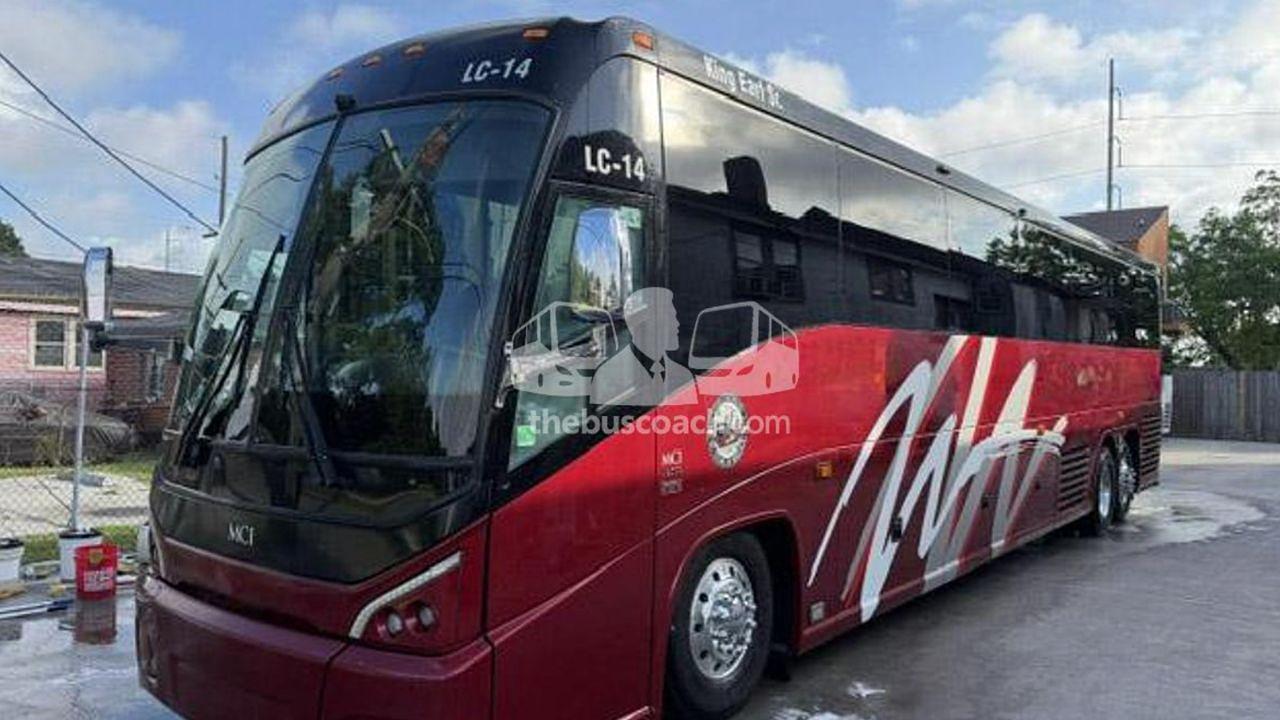
Buying a used bus isn't just about finding a good price. You need to know what you are actually buying, how it was maintained, and whether it fits your routes. Skip the real checks and a low asking price can turn into an expensive repair bill a few months later.
Dealer or Private Seller?
A dealer usually gives you more to work with: vehicle history, financing, inspections, a service department you can call when something breaks. Some throw in reconditioning or a short warranty. That doesn't make a dealer sale automatically safer than buying from an individual, though.
Whoever is selling owes you the truth. Ask for the VIN, the title, maintenance and inspection records, and details on any major repairs. Then bring your own technician before you sign anything.
A few manufacturers run certified pre-owned programs worth asking about. Prevost's, for example, often bundles mechanical inspections, brake and tire checks, and reconditioning into the sale. Whatever a seller tells you, verify it yourself.
How Much Does a Used Bus Cost?
There is no single number. A cutaway, a shuttle, and a full-size motorcoach sit in completely different price brackets, and age, mileage, engine hours, equipment, and service history move the figure from there.
Mileage alone tells you less than people think. A high-mileage coach with a thick stack of service records can be the safer buy over a low-mileage one with almost no paper trail. Read the two together.
The Five Things Worth Checking Before You Sign
Start with the powertrain. Have an independent technician go over the engine, transmission, brakes, suspension, and cooling system. Then get underneath the bus looking for rust, leaks, and old repairs nobody mentioned. A real inspection takes longer than a test drive around the block.
Look hard at passenger configuration. More seats isn't automatically better. A 55 or 56-passenger setup covers most charter work, but your actual routes should decide what you need, not the seller's pitch. Ask whether there is a lavatory, wheelchair positions, real luggage space, and seat belts. One Prevost pre-owned listing we came across had all four; plenty of similar-looking buses do not.
Maintenance history matters more than the odometer. Service invoices, repair orders, and documentation on major component work tell you what actually happened to this bus. A gap in the records isn't automatically disqualifying, but it does mean you are flying a little blind. FMCSA requires passenger carriers to keep exactly this kind of documentation, so if a seller can't produce it, ask why.
Paperwork needs to match the bus in front of you. Check the VIN against the title, ask about liens, salvage branding, and accident history directly, and don't take a seller's word that a bus is "DOT compliant" without confirming what that means for your operation.
Does the bus fit the work you're sending it on? A full-size coach makes sense for long charter runs. A smaller shuttle usually fits airport or hotel work better. Paying for capacity you will rarely use wastes money one way; buying something too small for your core routes wastes it the other.
Warranty, Timing, and Financing
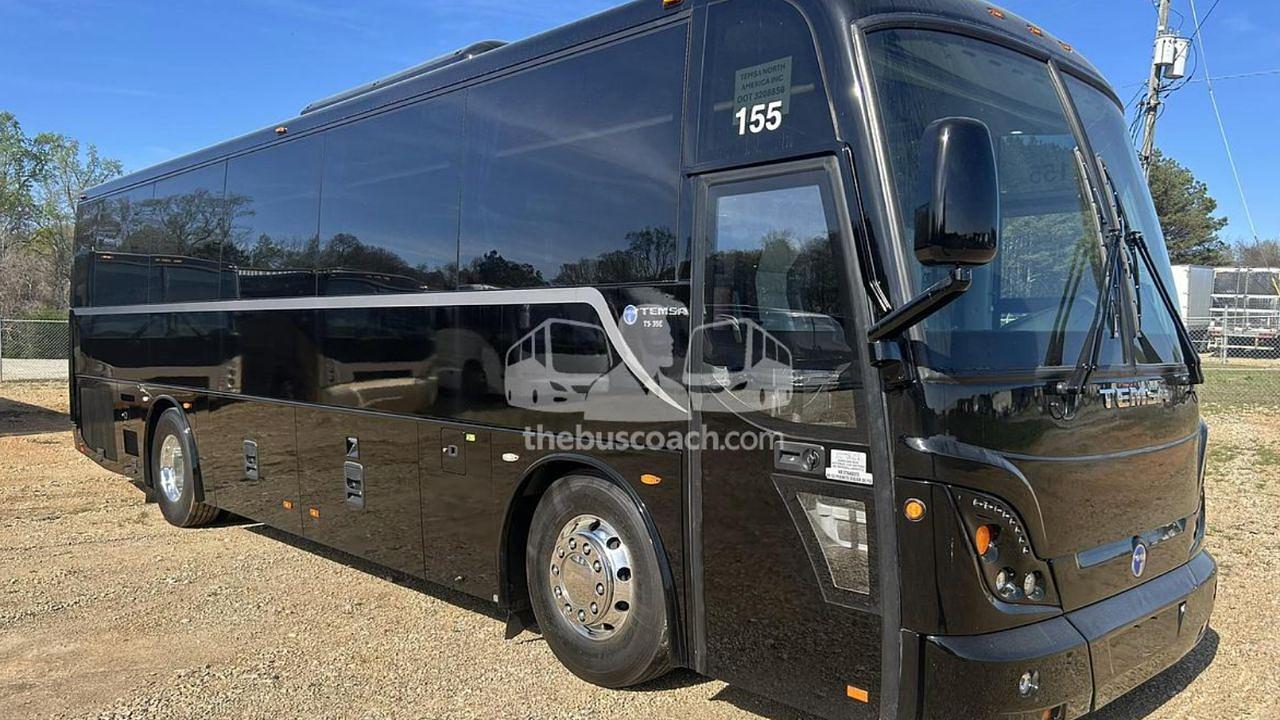
If a warranty or service contract comes with the sale, read it. Know what is covered, how long it lasts, and what is excluded. Most buyers assume more coverage than they actually have until the first big repair bill proves otherwise.
There is no magic month for buying a used bus. Inventory shifts, seller needs change, and financing conditions move around all year. What helps is starting the search before you are desperate for a replacement, since a rushed purchase usually means fewer real choices.
Paying cash isn't automatically smarter just because you can. Compare the full cost of financing such as down payment, interest, term, fees and not just the monthly number, and make sure whatever payment you land on still leaves room for maintenance during a slow month.
What Happens to Your Old Bus?

If you are replacing rather than adding, don't treat your current bus as an afterthought. A vehicle with real market value left in it can help fund whatever comes next, and working that into the conversation from the start tends to go smoother than scrambling afterward. Selling your bus to The Bus Coach is one way to handle that without treating the two transactions as unrelated.
Before You Sign
Ensure that independent mechanical inspection is done, VIN and title are verified, and Maintenance records reviewed, not just glanced at. Passenger configuration and equipment should be confirmed against your actual routes. Warranty terms should be read in full, financing costs compared beyond the monthly payment, and a plan in place for whatever bus you are replacing.
The smartest purchase here isn't usually the newest or cheapest coach on the lot. It is the one whose condition and paperwork hold up to a second look.