
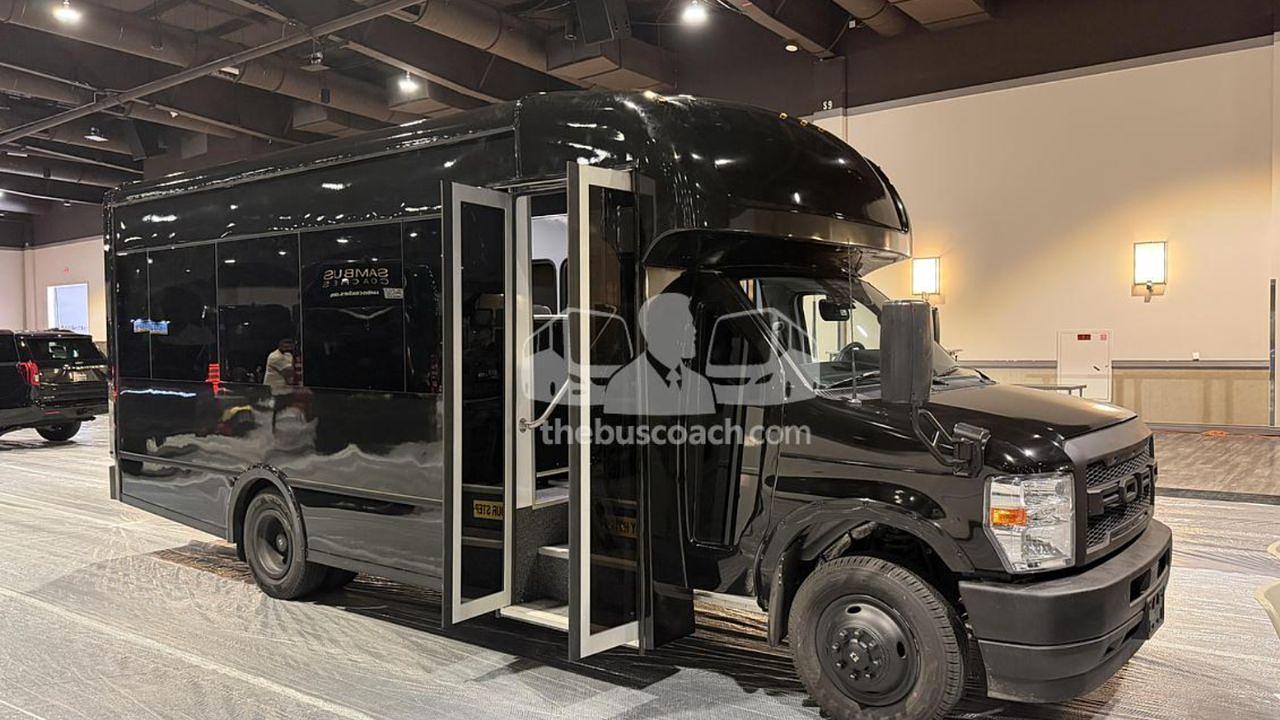
A shuttle can do more than get people from A to B. Run it well and it takes pressure off your parking lot, opens up your hiring radius, and cuts the daily friction of getting to work. Whether a shuttle makes financial sense depends on your routes, ridership, and current employee transportation costs.
The comparison is simple in theory: shuttle cost versus current transportation spend. The hard part is getting honest numbers on both sides.
Where the Value Comes From
Parking, turnover, recruiting, and commute delays all cost money somewhere in the org chart, and a shuttle touches several of them at once. It is not automatic, though. A half-empty route bleeds cash, while a full one earns its keep fast. Start by measuring what you are spending now, then weigh that against what the shuttle would really cost to operate.
Nine Ways a Shuttle Pays Off
Parking. Every employee who stops driving alone is one less car competing for a spot. If parking is tight or expensive where you are, this alone can carry much of the business case.
Retention. Nobody enjoys the drive-and-park routine, and taking that off someone's plate tends to help morale. It is hard to isolate the effect precisely; it is better to survey riders and track usage rather than assuming every rider was a flight risk you just saved.
Hiring radius. Plenty of good candidates get filtered out simply because they don't drive or live somewhere inconvenient. A shuttle along the right corridor puts your jobs back in reach for them, though this only works if the route actually goes where people live.
Fewer delays. A shuttle doesn't beat traffic, but a fixed pickup time beats the uncertainty of driving solo. Compare late-arrival rates before and after launch to see if it is really moving the needle.
Tax treatment. Qualified transportation benefits get favorable federal treatment. For 2026, the IRS caps the combined commuter-vehicle-and-transit exclusion at $340 a month, with the same cap on qualified parking. Not every shuttle cost automatically qualifies; get a tax advisor to look at how the program is structured before you count on the savings.
Emissions. One shuttle can pull several individual trips off the road, especially on routes people actually fill up. The real number depends on the vehicle and how full it runs, so measure your own fleet rather than borrowing a generic estimate.
Time back. Riders can read, plan, or work instead of watching traffic. Just don't book that as recovered productivity unless you have a way to actually measure it.
Fewer moving parts. Running parking help, transit stipends, and rideshare credits all at once gets messy. A lot of companies find one well-run shuttle route simpler to manage once ridership clusters around it.
Signal to employees. A dependable shuttle tells people the company thought about their commute, not just their desk. That lands best when it's solving a real problem, not sitting there as a nice-to-have nobody uses.
What It Costs
There is no standard sticker price. Vehicle type, lease-versus-buy, driver pay and benefits, fuel or charging, insurance, maintenance, mileage, trip frequency, software, and ridership all move the number. Two companies with 100 employees each can land on very different budgets, because route structure matters as much as headcount — a flat "cost per employee" figure will mislead you more often than help.
How It Stacks Up Against Other Options
Option: Shuttle
Works best when: Employees cluster geographically, shifts are predictable
Option: Parking subsidy
Works best when: Most people already drive
Option: Transit benefit
Works best when: Employees live near public transit
Option: Rideshare credits
Works best when: Employees are spread out
Option: Mixed program
Works best when: Needs vary a lot across the workforce
These aren't either/or. Plenty of companies run a shuttle for their biggest employee cluster and lean on transit or parking benefits for everyone else.
Building the Case
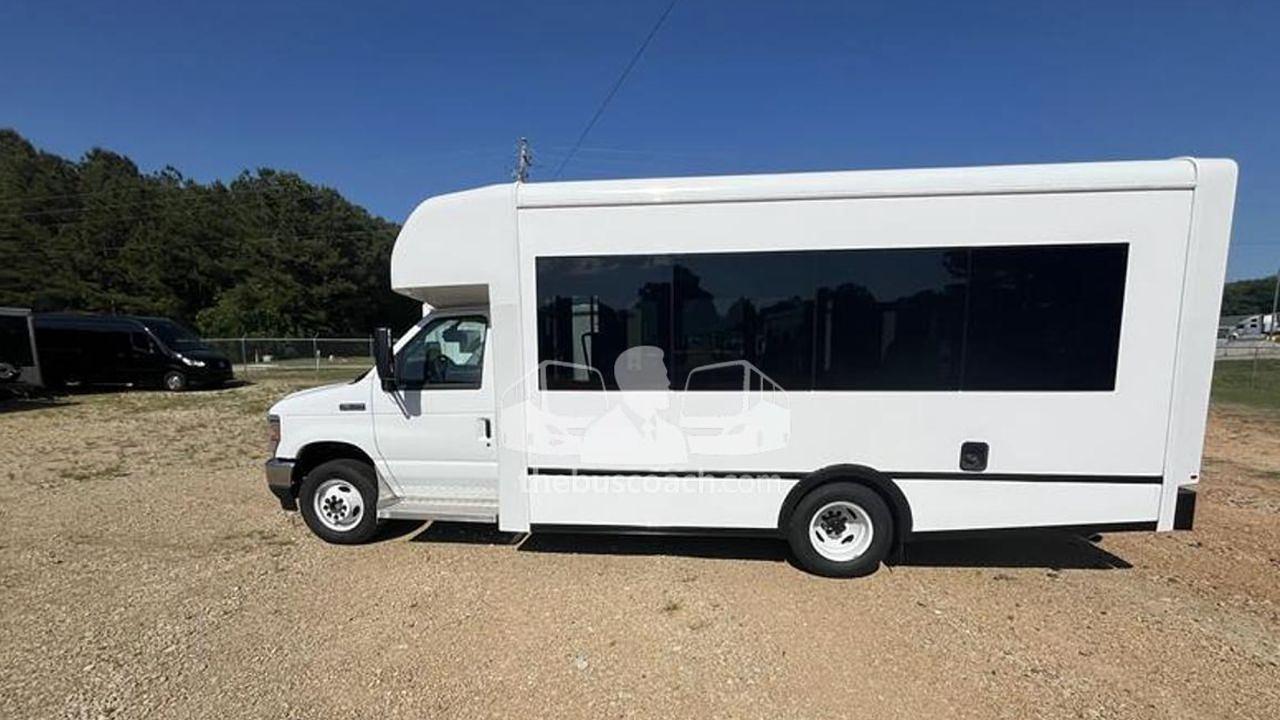
Start with demand, not cost. Find out where people live and when they travel, then map for pickup clusters.
Next, add up what you are currently spending: parking subsidies or leases, other transportation benefits, recruiting costs tied to location, commute-related attendance problems, any existing shuttle contract. Get itemized quotes for vehicle, driver, fuel, insurance, maintenance, management, so that the shuttle side of the comparison is just as real as the current-spend side.
Then run more than one ridership scenario. Low, expected, high. Don't build the case around a fully-booked bus that may never happen.
Getting the Route Right
Begin with employee addresses, not a map of the city. Look for clusters, and choose stops that are safe and practical for riders and drivers alike. Transit hubs and existing park-and-ride lots usually beat inventing a new stop from scratch.
Pilot one route before scaling. Track ridership, no-shows, on-time performance, cost per rider, and satisfaction, and adjust based on what actually happens rather than what the spreadsheet predicted.
Safety and Compliance
Shuttles can fall under federal, state, and local transportation rules well before they look like a motorcoach. FMCSA rules can apply to for-hire vehicles built for as few as 9–15 passengers including the driver. CDL requirements aren't just about passenger count either — a GVWR or GVW of 26,001 pounds or more triggers them too, among other conditions.
Insurance minimums shift with the operation: interstate for-hire carriers generally need $1.5 million in coverage for vehicles seating 15 or fewer, and $5 million for 16 or more, with exceptions depending on the situation. Check what applies to your specific route before you launch.
Tech You Might Add Later
GPS tracking, reservations, live vehicle location, ridership reports, route planning, driver comms, rider notifications are all useful, but none required on day one. Solve your biggest operational headache first and layer the rest in once the route has settled.
Paying for It
Buy outright, finance, lease, or build it into a pre-tax transportation benefit. The right call depends on cash position, expected ridership, and how long you plan to keep the vehicle. Financing options are worth comparing against total operating cost before committing.
FAQs
How much does a shuttle cost?
No fixed number — vehicle, driver, fuel, insurance, maintenance, routes, and ridership all factor in.
Does it have to follow DOT rules?
Possibly, depending on passenger capacity, vehicle weight, whether drivers are paid, and whether the route crosses state lines.
Can employees pay in pre-tax?
Yes, within IRS limits — $340/month in 2026 for commuter vehicle transportation and transit passes combined, subject to how the program is administered.
How do I know if it'll pay off?
Weigh the full operating cost against whatever transportation spend it replaces, and test more than one ridership scenario before deciding.
Does it need to run every day?
No — some companies only run it during peak shifts, certain weekdays, or seasonally.
How do I plan the route?
Map where employees live, find the clusters, pick practical stops, and pilot before expanding.
Is It Worth It for You?
The shuttles that work solve a specific problem such as parking that's gotten too expensive, a location public transit doesn't reach, hiring that is stalling because of the commute. Start there: measure the actual problem, price out the real cost, and test demand before committing to a full program.
If the math holds up, a shuttle stops being a perk and becomes part of how the company actually runs. Financing options from The Bus Coach are worth a look once you know the numbers work.