
Setra Bus: 7 Smart Checks for a Confident Purchase
Published:
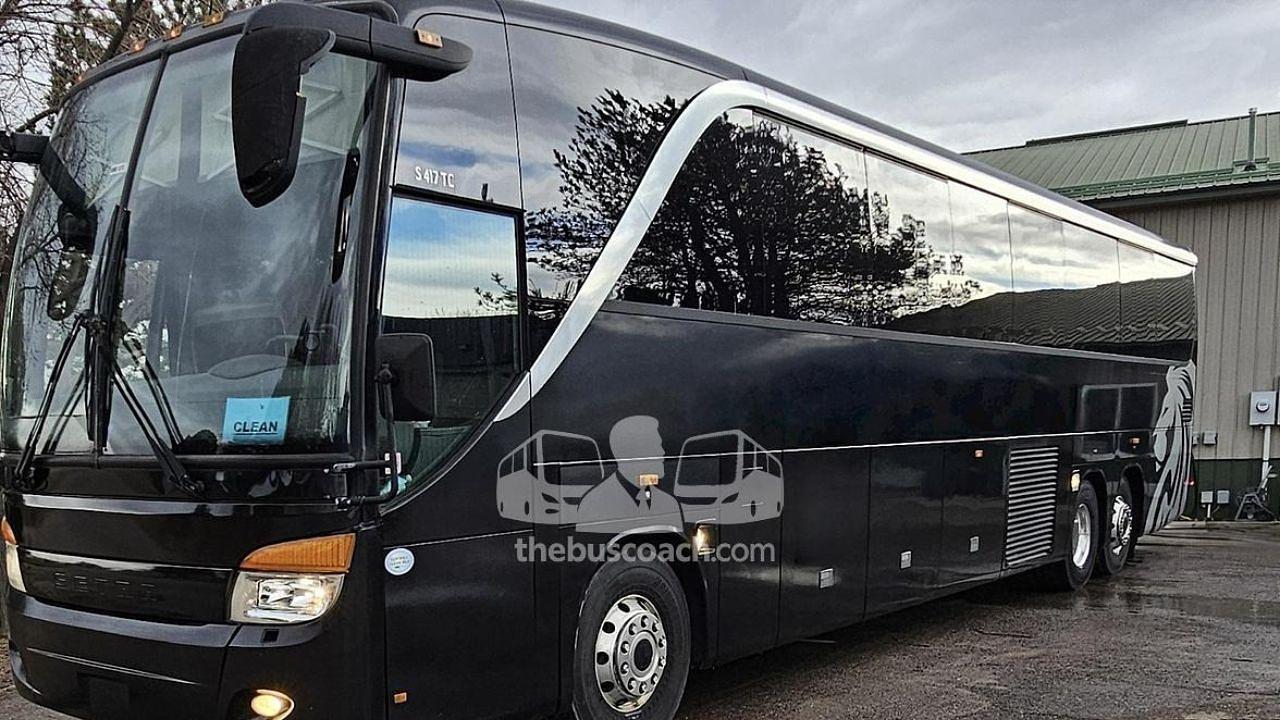
A Setra bus can make sense for a charter fleet, but only when the coach fits the work you already do. Before buying one, check the model, seating, service history, major systems, parts support, ownership costs, and resale potential. That sounds like a long list. It is still easier than dealing with the wrong bus after it reaches your yard.
This matters even more with a pre-owned coach. Mileage tells you something, but not enough. How the bus was used and maintained matters just as much. For smaller operators, there is another issue. One coach may need to cover school trips on Monday and a corporate charter on Friday. A bus with a useful setup can make scheduling much easier.
At The Bus Coach, we work with operators looking for new and pre-owned buses and motor coaches. Our team also helps with financing and other fleet needs. If a Setra is on your list, these seven checks are a good place to start.
A Quick Setra Bus Buying Check
Before getting deep into a listing, look at the basics.
Check: Model What You Need to Know: Does it fit your normal work?
Check: Seating What You Need to Know: Can it handle your common group size?
Check: History What You Need to Know: Are service records available?
Check: Major systems What You Need to Know: What may need work soon?
Check: Service What You Need to Know: Who will maintain the coach?
Check: Cost What You Need to Know: What will it cost beyond the sale price?
Check: Resale What You Need to Know: Will other operators want it later?
1. Decide What Work Your Setra Bus Needs to Handle
Start with your schedule, not the bus. Say you run six coaches, and five are booked on a busy spring weekend. Then a school or sports group calls for a 50-passenger trip. Could the Setra take that job without forcing you to move three other trips around?
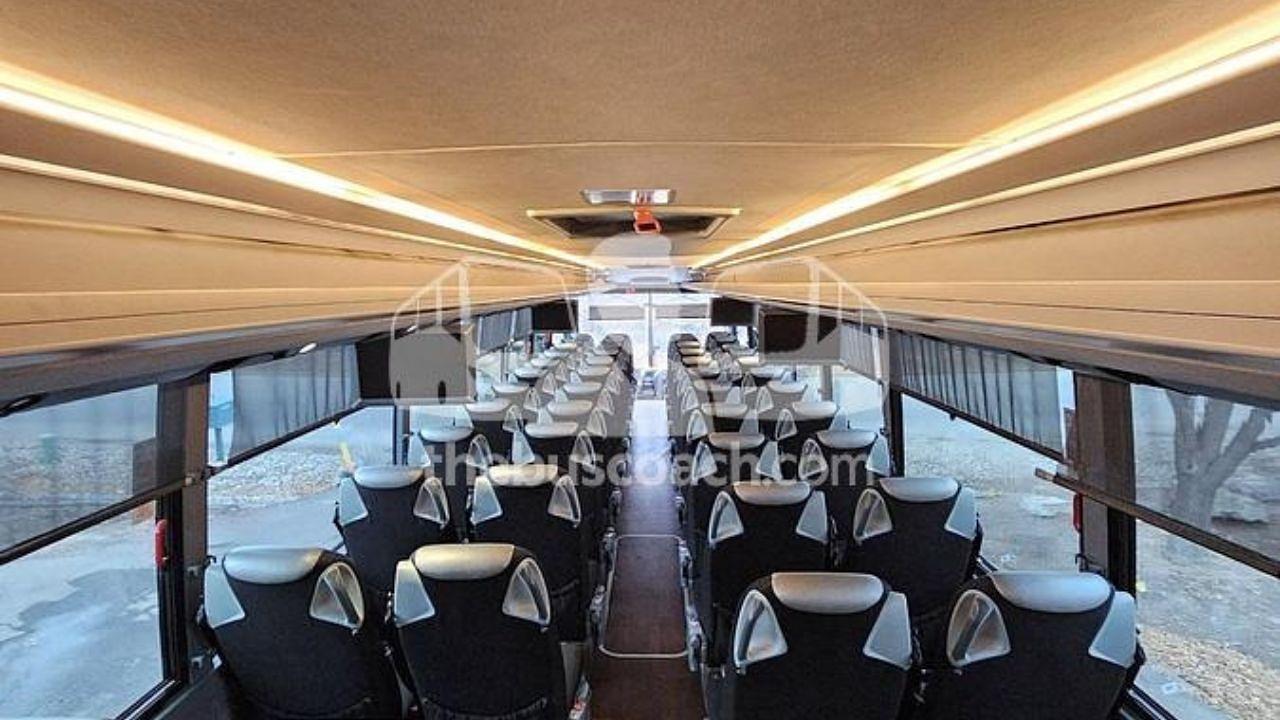
That is why seating and layout matter. Standard 55-56 passenger coaches can be useful for smaller charter operators. They fit a wide range of common group work. A standard layout may also give you more options when you eventually sell the coach.
A lower-capacity coach can still work well. Some operators deliberately trade seats for extra legroom. That makes more sense when you already have contracts that pay for that type of service. Buy for the trips you can reasonably expect. Don't build the decision around one unusual charter.
2. Know Which Setra Motorcoach You Are Buying
"Setra" on the front does not tell you enough. The Setra S 417 is one model buyers will commonly encounter in the U.S. pre-owned market. You may also come across other Setra models and configurations. Age, seating, powertrain, equipment, and previous use can vary between individual coaches. That is why the actual unit matters more than a generic model description.
Look at how the coach is set up inside, and check the seat count yourself. Look at luggage space, passenger power, entertainment equipment, restroom setup, and accessibility equipment when fitted. The restroom deserves a closer look, too. Setra coaches may have flushing lavatory systems. Check how that system works on the coach you are considering and whether there is an auxiliary holding tank.
You do not want to learn those details after the first multi-day trip.
3. Don't Judge a Pre-Owned Setra by Mileage Alone
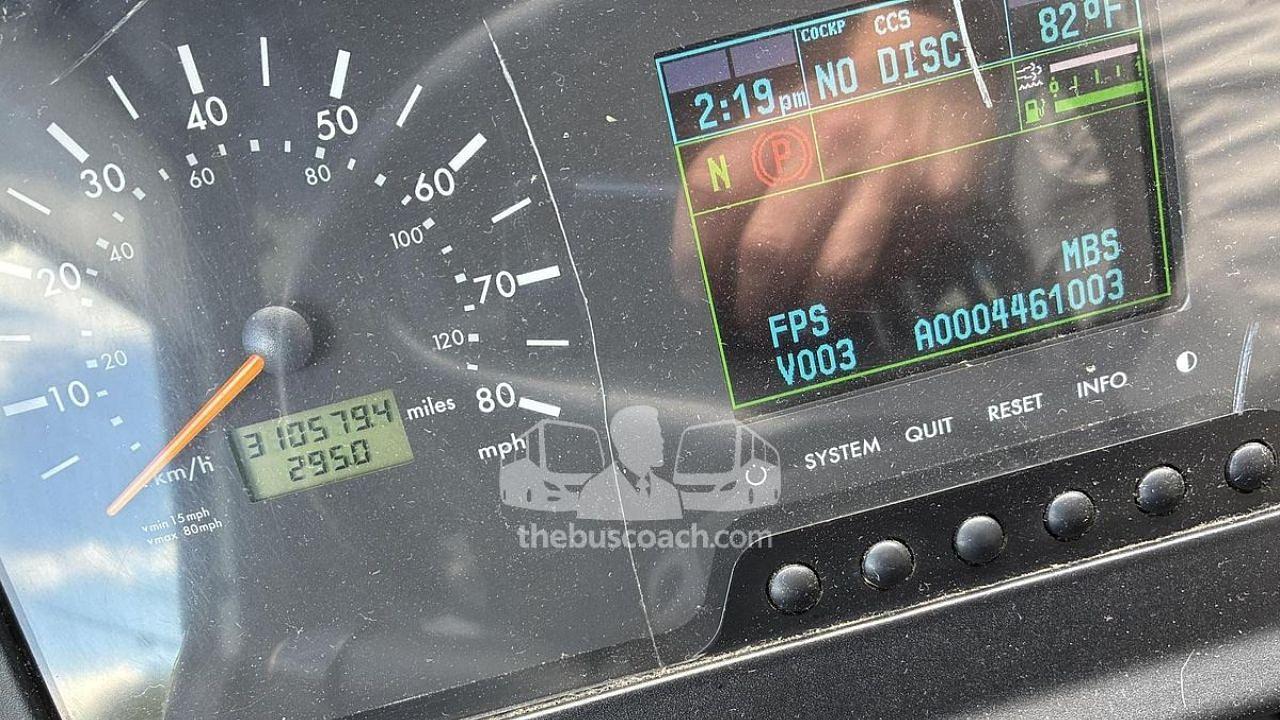
A listing with lower mileage will usually catch your eye first. But it should not end the comparison. Imagine one coach has 300,000 miles with detailed service records. Another shows 230,000 miles, but nobody can tell you much about its maintenance. The second bus is not automatically the safer buy.
Ask what work has already been done. Look for records covering routine service and larger repairs when those records are available. Long gaps deserve a closer look. Also ask how the coach spent those miles. Steady highway work is different from years of shorter runs and frequent stops.
A pre-purchase inspection becomes more important when the history is incomplete. You are not trying to find a bus that has never needed repairs. You are trying to understand what you are buying.
4. Inspect the Systems That Can Hurt Your Budget
Fresh paint is nice, but cold air on a packed July charter matters more. HVAC should get a proper test before purchase. So should the engine, transmission, brakes, suspension, electrical systems, and other major equipment. Do not settle for starting the bus and letting it idle for a few minutes.
Look underneath, and check for leaks and corrosion. Pay attention to warning lights and unusual sounds. Ask about previous repairs. Then look inside again. Check doors, lights, restroom equipment, climate controls, and other systems you expect drivers or passengers to use.
A qualified technician should handle the detailed mechanical inspection. Spending money here can feel annoying when you are already paying for a coach. It feels much cheaper than finding a major problem two weeks later.
5. Know Who Will Service Your Setra Bus
This check often gets pushed aside until after the purchase. That is backwards. Before the coach arrives, your maintenance manager should know who will work on it. Your shop may handle routine service. More involved work may need outside support. Parts access matters for the same reason.
A charter operator does not just lose a repair bill when a coach sits. You may lose the trip as well. During a busy month, finding another 56-passenger coach at short notice can be a bigger headache than the repair itself.
Ask these questions before buying:
- Can our shop handle normal maintenance?
- Where will we source common parts?
- Who handles work our technicians cannot do?
- What diagnostic support may be needed?
- How quickly can we get help when the coach is down?
- If those answers are fuzzy, sort them out before signing.
6. Calculate What the Setra Will Really Cost
A $20,000 saving can disappear quickly. Maybe the cheaper coach needs tires soon, or the HVAC needs work. There may be deferred maintenance. Suddenly, that lower asking price does not look quite as clever.
So, put the likely first-year costs beside the purchase price. Include financing, insurance, fuel, routine maintenance, planned repairs, and any work needed before the coach enters service. Leave room for surprises on a pre-owned unit. Then look at revenue. How many trips does the coach need each month to cover its costs? Can your current work support that? What happens during your slower season?
This is where financing structure matters. At The Bus Coach, we work with bus operators on financing through Charabanc Financial Services. That gives buyers another option when they want to protect cash instead of tying up too much money in one purchase. The payment still has to work on a quiet Tuesday in February, not only during your busiest month.
7. Think About Resale Before You Buy
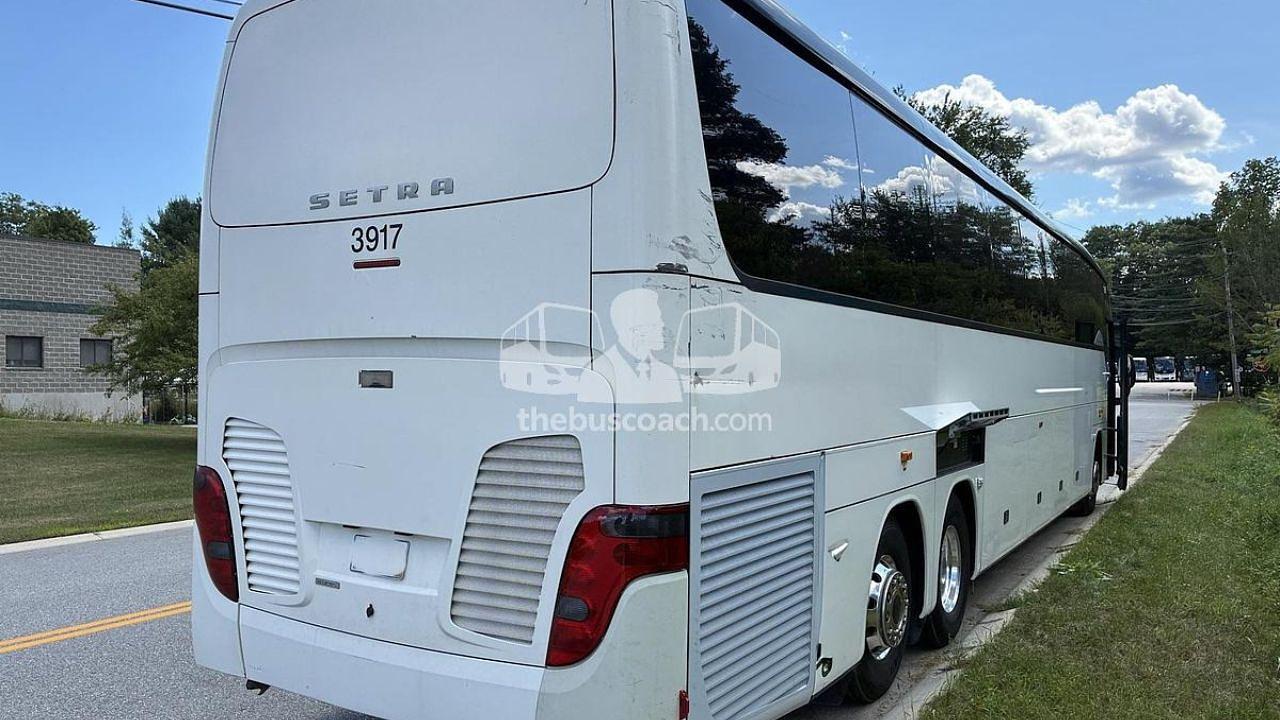
Eventually, this Setra will leave your fleet. That could happen in three years or ten. Either way, today's buying decision can affect how easy that sale becomes. A practical seat count helps. So does a clean coach with a clear maintenance history.
Unusual configurations can make sense when they earn good money for your company. But a very specific layout may appeal to fewer buyers later. Keep that in mind if you operate a smaller fleet. You may get more value from a coach that handles most trips than one built perfectly for a single contract. A flexible setup can also make the bus easier to place with another operator later.
Keep your records after purchase. The next buyer will ask many of the same questions you are asking today.
Is a Setra S 417 a Good Fit for a Charter Fleet?
For many operators, an S 417 can make sense for charter work. But the real question is simple: Will this coach fit the jobs you already book?
A 56-passenger setup gives a smaller fleet some useful breathing room. One week, the coach may carry a school group. The next, it could be out with a sports team or a tour group. You are not keeping a bus around for just one type of trip.
Still, don't let the Setra name decide for you. Look at the coach in front of you. Check its service history, condition, equipment, and repair needs. Make sure you know where you will get parts and service when something needs attention. Then sit down with the numbers. A good deal on paper is not much of a deal if the coach spends too much time in the shop.
If you are ready to compare options, take a look at the current new and pre-owned inventory at The Bus Coach. Stock changes, so it is worth seeing what is available when you are actually ready to buy. At the end of the day, the right Setra should earn its place in your fleet. It should handle the trips you get, fit your budget, and be a coach you can realistically keep on the road. Get those three things right, and the buying decision becomes a whole lot easier.
Common Questions About Buying a Setra Bus
Is a Setra bus good for charter service?
A Setra can suit charter work when its seating, luggage capacity, equipment, and condition match your routes. For smaller operators, a standard full-size configuration can offer useful flexibility across different charter jobs.
How many passengers does a Setra S 417 hold?
Seat count can vary by configuration. Many S 417 coaches in the U.S. pre-owned market are configured around the standard 56-passenger layout. Always confirm the actual seat count on the coach you are buying.
What should I check when buying a used Setra bus?
Start with maintenance history and a qualified mechanical inspection. Then check the powertrain, HVAC, brakes, suspension, electrical equipment, restroom, interior equipment, body condition, and parts support.
Should mileage stop me from buying a pre-owned Setra?
Not by itself. Mileage needs context. A higher-mileage coach with strong service records may be a better purchase than a lower-mileage bus with little history.
Can I finance a Setra motorcoach?
Financing may be available depending on the coach and buyer. The Bus Coach works with Charabanc Financial Services to provide financing options for bus operators.