
Wheelchair Lift Bus: 7 Critical Things to Check Before Buying
Published:
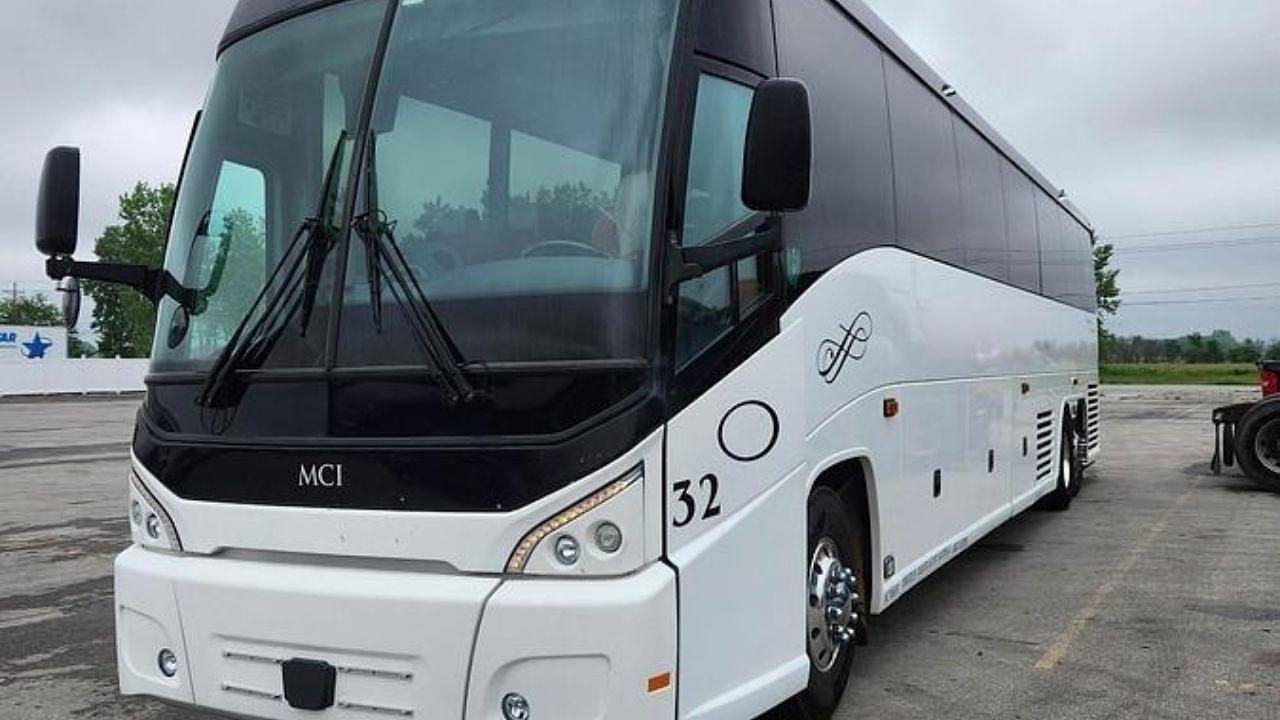
A wheelchair lift bus is worth buying when the lift, seating, bus condition, and operating costs all fit your fleet. The lift alone should never make the decision.
Say you find two buses with similar mileage. Both have wheelchair lifts. One costs less, but its service records are thin. The other has clear records and a lift that works smoothly through several cycles. The cheaper bus may not be the better deal anymore. That is why it pays to slow down before buying.
At The Bus Coach, we provide new and pre-owned buses, motor coaches, and other fleet equipment. Buyers can compare different sizes, layouts, and accessible models in one place. Here are seven things worth checking before you choose one.
Quick Wheelchair Lift Bus Buying Checklist
Check: Daily use What You Need to Know: How far and how often will the bus run?
Check: Wheelchair spaces What You Need to Know: How many spaces do you need on a normal trip?
Check: Seating What You Need to Know: How many seats remain when wheelchair spaces are used?
Check: Lift What You Need to Know: Does it deploy and stow smoothly several times?
Check: Securement What You Need to Know: Are the tie-downs and restraints complete and in good condition?
Check: Bus condition What You Need to Know: How are the engine, brakes, tires, HVAC, and transmission?
Check: Records What You Need to Know: Are vehicle and lift service records available?
A good listing gets you interested. These checks tell you whether the bus deserves a closer look.
1. Start With What the Wheelchair Lift Bus Will Actually Do
Start with the route, not the bus. A senior living shuttle making short local trips has different needs from a motor coach covering long highway miles. A hotel shuttle may need frequent lift use. A charter operator may care more about luggage space and highway comfort.
Write down what a normal working day looks like. How many passengers usually ride? How many wheelchair positions do you need? Will the bus make ten short stops or spend four hours on the highway? Also think about your busiest normal trip. Buying for an unusually quiet day can leave you short on seats later. Once you know the job, comparing buses becomes much easier.
2. Decide Whether New or Pre-Owned Makes More Sense
New is not automatically better. Pre-owned is not automatically a bargain. A new bus may suit a fleet that expects heavy daily use. You can also look for the floor plan and accessibility setup that closely matches your operation. A pre-owned bus can make good financial sense when the condition is strong, but its history matters.
New may suit you when:
- You expect frequent daily use.
- You want new accessibility equipment.
- A specific floor plan is important.
- You plan to keep the vehicle for years.
Pre-owned may suit you when:
- Your purchase budget is tighter.
- The right layout is already available.
- Maintenance records are clear.
- The bus and lift pass a proper inspection.
The Bus Coach carries both new and pre-owned options. You can compare a new lift-equipped shuttle with pre-owned MCI buses, including ADA models with wheelchair lifts. That makes it easier to compare actual vehicles before deciding whether new or pre-owned makes more sense for your fleet.
3. Test the Wheelchair Lift More Than Once
This is one place where a quick look is not enough. Do not watch the lift go down once and call it good. Run it through several complete cycles if you are inspecting a pre-owned bus.
Deploy the platform, and lower it fully. Bring it back up and stow it. Then do it again, and listen while it moves. Grinding, chatter, hesitation, or rough movement deserves a closer look. Check whether the platform sits correctly when deployed and stowed. Look around the lift for damage, leaks, rust, or worn parts. Then ask about the manual backup. You do not want to learn how that system works for the first time when passengers are waiting.
Also check:
- Lift controls
- Platform surface
- Safety barriers
- Hydraulic components
- Mounting areas
- Interlocks
- Service records
Federal safety standards cover platform lifts and vehicles fitted with them. A qualified inspection can help when the condition or operation is unclear.
4. Check Wheelchair Spaces and Passenger Seats Together
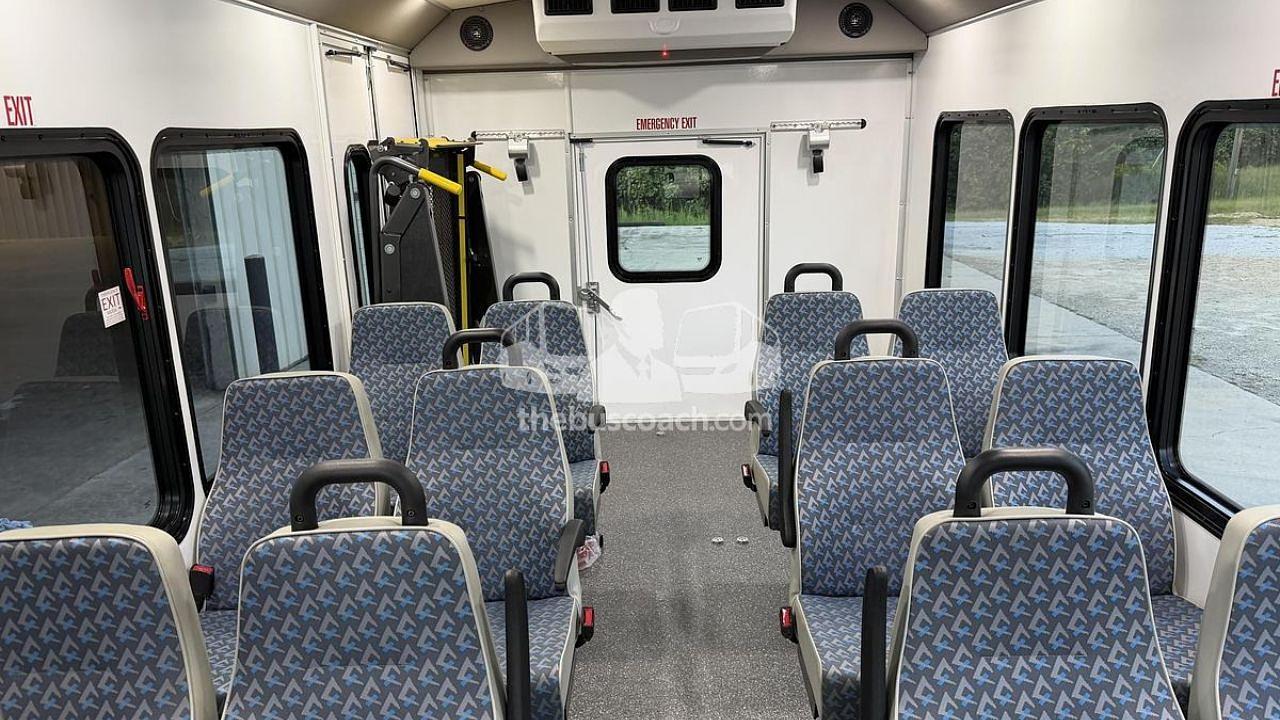
A bus may be advertised for 14 passengers. That number does not always tell you how the cabin works with wheelchair spaces in use. Look at the floor plan.
At The Bus Coach, for example, we have listed new TruPath Vindicator models with different seating setups. One E350 configuration lists a 12+2 floor plan with two wheelchair positions. That detail matters.
If both wheelchair spaces are occupied, will you still have enough passenger seats? Is there room to move safely through the cabin? What happens when passengers bring bags or other mobility equipment?
Check the securement equipment at the same time. Look at the tie-downs, floor tracks, occupant restraints, and mounting points. Missing or damaged hardware needs attention before the bus enters service. This is also where two similar-looking buses can turn out to be very different purchases.
5. Inspect the Whole Bus Just as Closely
You came for the wheelchair lift. Do not let it distract you from the bus attached to it. Start the vehicle cold when possible. Watch the dash. Listen to the engine before you pull away. Then drive it, and notice how the transmission shifts. See whether the steering stays straight. Check how the brakes feel. Listen for knocks, rattles, or sounds that change with speed. Run the heating and air conditioning too. Blowing air is not the same as heating or cooling the passenger area properly.
For a pre-owned bus, look closely at:
- Engine and transmission
- Brakes
- Suspension
- Tires
- Steering
- HVAC
- Electrical equipment
- Doors and windows
- Body and underbody
- Signs of water leaks or corrosion
Mileage matters, but it is only one number. A well-kept higher-mileage bus may deserve more attention than a lower-mileage vehicle with poor records and obvious neglect.
6. Check the Records and Operating Requirements
The number on the listing gets most of the attention. Your fleet will live with everything that comes after it. A lower purchase price can look great until the bus needs tires, HVAC work, lift repairs, and overdue maintenance. Look beyond the asking price.
Think about:
Immediate repairs
- Routine maintenance
- Lift servicing
- Tires
- Insurance
- Registration
- Fuel
- Financing
- Expected annual mileage
Financing can also change which vehicle makes sense. We at The Bus Coach work with buyers looking for bus financing and fleet solutions. That can be useful when you are comparing the cost of a new bus against a pre-owned option. The goal is not simply to find the cheapest bus. You want a vehicle whose total cost makes sense for the work ahead.
Wheelchair Lift or Ramp: Which One Fits Your Fleet?
Not every accessible bus uses the same boarding setup. A lift may work well for one vehicle and route. Another operation may prefer a ramp-equipped vehicle. Passenger needs, vehicle design, stop locations, and how often the equipment gets used all matter.
Do not choose based on the accessibility equipment alone. Think about where passengers board. Picture a wet morning, a tight pickup area, or several stops in one hour. Which setup works better there? The answer should come from the job the vehicle needs to do.
When Should You Walk Away From a Pre-Owned Bus?
Sometimes the smartest buying decision is not buying. A small cosmetic flaw is one thing. Several problems around the lift, structure, drivetrain, and records are different.
Take extra care when you find:
- Heavy rust near the lift or underbody
- Lift movement that is rough or unreliable
- Leaks around lift components
- Missing securement equipment
- Warning lights with no clear explanation
- Poor braking or steering during the road test
- Serious fluid leaks
- Major gaps in service history
- Damage around lift mounting points
One problem may have a simple fix. Several problems can change the whole value of the bus. If something feels unclear, get it checked before money changes hands.
Finding the Right Wheelchair Lift Bus for Your Fleet
If you have searched for a wheelchair lift bus for sale, comparing complete lift-equipped vehicles can make the decision easier. You can judge the lift, seating, floor plan, condition, and drivetrain as one package.
Browse wheelchair-accessible shuttle buses at The Bus Coach to compare current options. You can also explore the full inventory for pre-owned ADA motor coaches and other fleet vehicles.
Do not rush because one bus has the right price or mileage. Run the lift again, sit in the passenger area, look underneath, read the records, and drive the bus. The best purchase is the one that still looks good after you check the parts that are easy to miss.
Frequently Asked Questions
What should I check before buying a wheelchair lift bus?
Check the lift, securement equipment, seating layout, engine, transmission, brakes, tires, HVAC, maintenance records, and overall vehicle condition.
Is a new or pre-owned wheelchair accessible bus better?
Neither is always better. Compare your budget, daily use, desired layout, vehicle condition, service history, and expected ownership period.
How many wheelchair positions can a bus have?
It varies by vehicle and floor plan. Check the specific configuration and how wheelchair positions affect the remaining passenger seats.
Should I test the wheelchair lift before buying a used bus?
Yes. Run the lift through several full cycles and check its controls, movement, platform, backup system, and visible components.
Does a wheelchair lift bus require a CDL?
It depends on the vehicle, passenger capacity, use, and applicable rules. Verify federal and state requirements for your specific operation.