
Prevost X3-45: 5 Hidden Costs Buyers Should Know
Published:
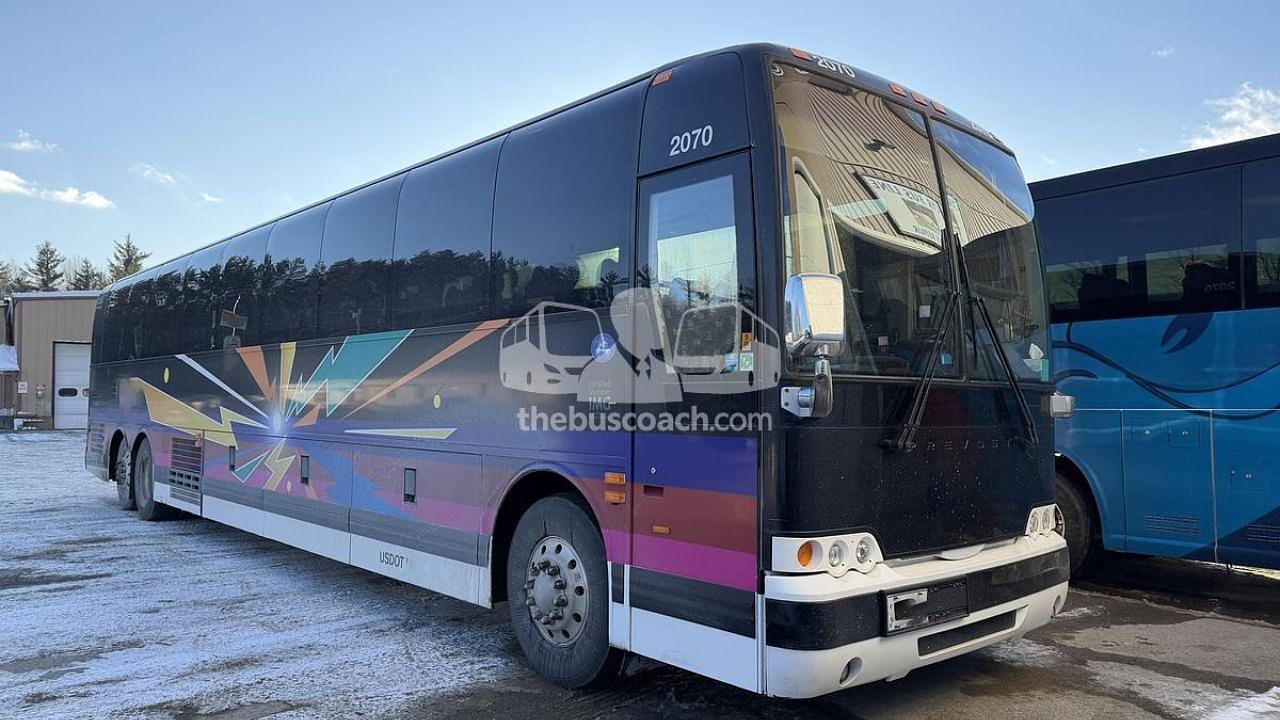
The Prevost X3-45 has five hidden costs you should check before buying: repairs, fuel, interior upgrades, financing, and downtime. These costs can turn a good deal into an expensive mistake. A used coach may look clean and drive well. But that doesn't tell you what it will cost to own. Worn parts, poor service records, and loan fees can change your budget fast.
This 45-foot coach is built for long trips and group travel. It offers 55 seats in its standard passenger layout and ample luggage space. Yet the best bus isn't always the newest or cheapest one.
Here's what to check before you make an offer.
How Much Does a Used Prevost X3-45 Cost?
The Prevost X3 price depends on the model year, miles, condition, and equipment. There is no single fair price for every used coach. Two buses from the same year can have very different repair needs.
For example, The Bus Coach has advertised these models in its inventory:
- 2017 X3-45: 420,000 miles, Volvo engine, Allison transmission.
- 2016 X3-45 ADA: 331,023 miles, Volvo engine, wheelchair lift.
- 2008 X3-45: 601,919 miles, Detroit engine, ZF transmission.
These listings show why you need to compare more than age. A newer bus may have high miles. An older one may have a different engine and repair history. You can review the latest used Prevost buses for sale at The Bus Coach. Ask for current prices, service records, and inspection details before making an offer.
1. Maintenance Costs That Don't Show Up in the Prevost X3-45 Price
A used motorcoach needs more than oil changes. Brakes, tires, suspension, and cooling systems all need regular care. If the last owner skipped service, you could face repairs soon after purchase. Pay close attention to the engine and transmission. Older models may have Detroit engines and ZF transmissions. Many newer used models have Volvo engines and Allison transmissions. Each needs the right parts and service work.
Take a 2017 coach with 420,000 miles. That number alone doesn't tell you whether it's a good buy. You need to know what was repaired and when.
Before buying, check:
- Engine oil leaks, cooling system condition, and service records.
- Transmission shifts, fluid changes, and fault codes.
- Air suspension leaks and uneven ride height.
- Brake condition, tire age, and tread wear.
- Exhaust system faults on models with diesel emissions controls.
Don't rely on a short test drive. Have a qualified motorcoach mechanic inspect the bus. Ask for a written list of repairs and likely costs. At The Bus Coach, we offer equipment inspection and appraisal services. You can ask about these services when reviewing a used coach.
2. Fuel Costs Can Eat Into Your Charter Profits
Fuel is one of the highest daily costs of running a coach. Your bill depends on miles, traffic, idle time, and driver habits. Long trips can mean large fuel bills, even with a well-kept bus.
Say your coach runs 60,000 miles a year. If it averages six miles per gallon, you'll use 10,000 gallons. At an assumed $4 per gallon, that's $40,000 a year. Those figures are just an example, not a promised fuel rate. Your own routes and driving conditions will decide the real cost.
- Don't forget other daily expenses:
- Diesel exhaust fluid, where required.
- Tires and routine fluid changes.
- Tolls, parking, and permits.
- Insurance and registration.
Ask for past fuel records if they're available. Then work out costs using your routes and current local fuel prices. A cheap coach won't save much if its running costs are too high.
3. Interior Repairs and Resale Value Can Surprise You

Passengers notice worn seats, weak air conditioning, and dirty floors. These may seem like small issues during a sale. But they matter when customers pay for a long-distance charter. Picture buying a coach for corporate trips. The engine runs well, but several seats need repair. The air conditioning also struggles during a hot afternoon. You'll need to fix both before the bus meets your needs.
Check the cabin as closely as the engine.
- Test the air conditioning while the coach is running.
- Inspect seats, floors, windows, and luggage doors.
- Check screens, outlets, and other installed equipment.
- Test the wheelchair lift if the coach has one.
Think about resale value, too. A coach with clear service records may be easier to sell. High miles, old equipment, or major defects can affect the offers you receive. Ask yourself one question: Will this bus still suit your fleet in three years?
4. Financing Fees Can Make a Good Deal More Expensive
Found a bus you like? Before you agree to the price, take a close look at the loan. A low monthly payment might sound great, but it could cost you more in the long run.
Say you borrow $150,000 at 9% interest for five years. You'll pay around $3,114 each month. By the time you pay it off, you'll have spent about $36,800 on interest alone, not counting any extra fees. Now, a smaller monthly payment might look tempting, especially when business is slow. But stretching the loan over more years means paying more interest.
Before you sign anything, ask a few questions:
- How much cash do I need upfront?
- What will I pay in total, including interest?
- Will I be charged if I pay off the loan early?
- Can I still make payments when bookings slow down?
You can explore commercial bus financing through The Bus Coach. Ask about the available terms and compare them before making a choice. After all, you still need money for fuel, repairs, and keeping your bus on the road. The loan shouldn't eat up all your profits.
5. Breakdowns Can Cost More Than the Repair
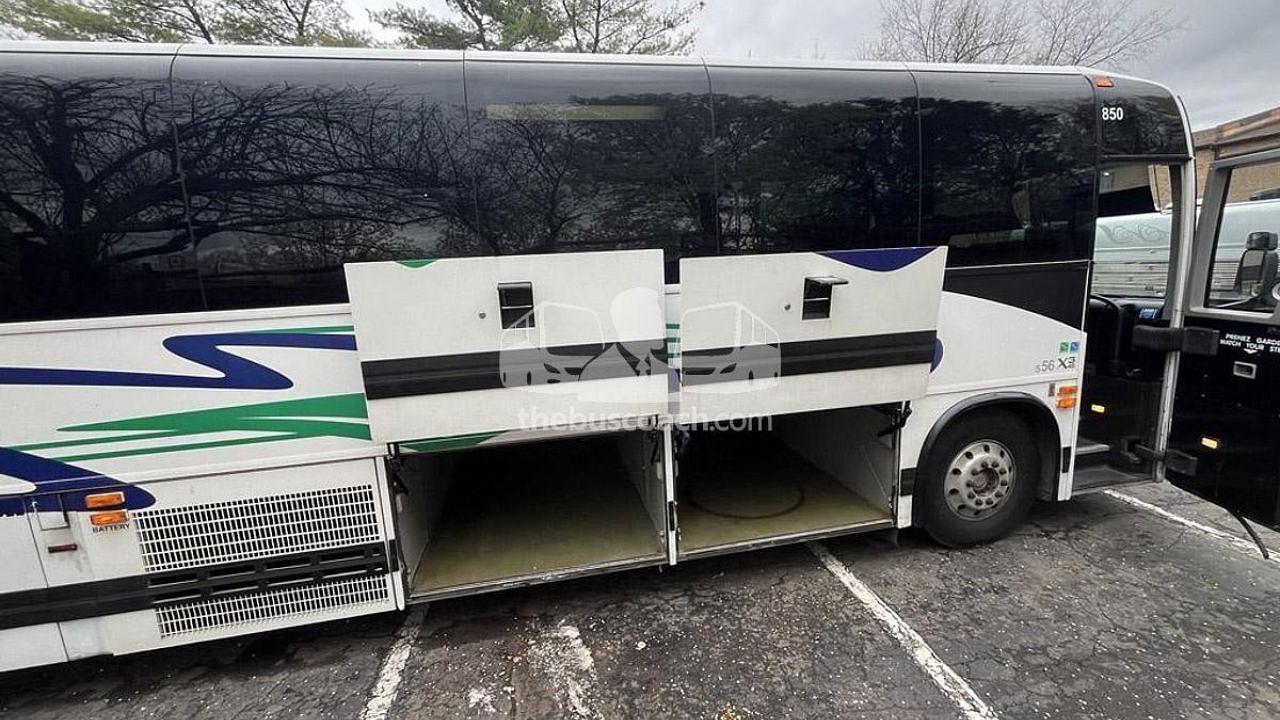
A breakdown during a booked trip can hurt your business. You may need another bus, pay for repairs, or refund customers. The lost time can cost as much as the mechanical problem.
Consider a coach booked for a weekend trip from Atlanta to Orlando. It develops a cooling system fault the day before departure. Even if the repair is simple, you still need transport for your passengers. This risk matters more when you run a small fleet. One coach out of service can leave you with no spare vehicle.
Before buying, check local repair support and parts availability. Ask how soon common parts can be sourced. Keep money set aside for unexpected work. A well-maintained bus can still break down. The goal is to lower that risk and have a backup plan.
How to Get the Best Deal on a Used Prevost X3-45
The best deal is the coach that meets your needs at a fair total cost. Don't choose by price or mileage alone. Start with the trips you plan to run, then compare buses that fit. A 55-seat layout may suit large tour groups. A wheelchair-accessible model may better fit certain contracts. Check each coach's actual seating and equipment before deciding.
Use this buying checklist:
- Compare listings: Check year, miles, engine, transmission, and equipment.
- Review service records: Look for regular care and proof of major repairs.
- Get an inspection: Know what needs work before you agree on a price.
- Calculate full costs: Include fuel, insurance, repairs, and loan payments.
- Ask for a quote: Compare the final deal, not just the advertised price.
You can start with The Bus Coach, which offers new and pre-owned bus sales, financing help, and fleet-related services.
Find Your Next Prevost Coach at The Bus Coach
You shouldn't have to guess what a used coach may cost you. Good service records, a proper inspection, and suitable financing make the decision easier. Explore available models through us at The Bus Coach or call (706) 460-5230 to discuss current inventory, prices, and financing options.
Before choosing the lowest-priced coach, ask yourself: How much will this bus cost to keep on the road?
FAQs About Buying a Prevost X3-45
How much does a used Prevost X3-45 cost?
The price depends on the model year, mileage, condition, and features. A newer coach may cost more, but an older one could need costly repairs. Check the latest listings at The Bus Coach to compare available models and request current prices.
Is a high-mileage Prevost X3-45 worth buying?
Yes, it can be. A coach with 500,000 miles and good service records may be a better buy than one with fewer miles and poor upkeep. Have a mechanic inspect the engine, transmission, brakes, and suspension before making an offer.
What are the most expensive repairs on a used Prevost X3-45?
Major engine and transmission repairs can be costly. Air conditioning, suspension, and emissions system problems may also lead to large bills. Ask for past repair records and get an inspection before buying. This can help you avoid expensive surprises.
Can I finance a used Prevost X3-45?
Yes, financing is available for many pre-owned motorcoaches. Your loan options depend on the coach, your business, and the lender. The Bus Coach offers commercial bus financing to help you explore payment options. Compare interest rates, down payments, and total loan costs before signing.
Where can I find the best deal on a used Prevost X3-45?
Start by comparing available coaches at The Bus Coach. Look beyond the asking price and check the mileage, condition, and service history. Ask about financing and inspections, too. A well-maintained coach at a fair price can save you more than a cheaper bus that needs repairs.