
TEMSA TS45: 7 Essential Features for Comfortable Travel
Published:
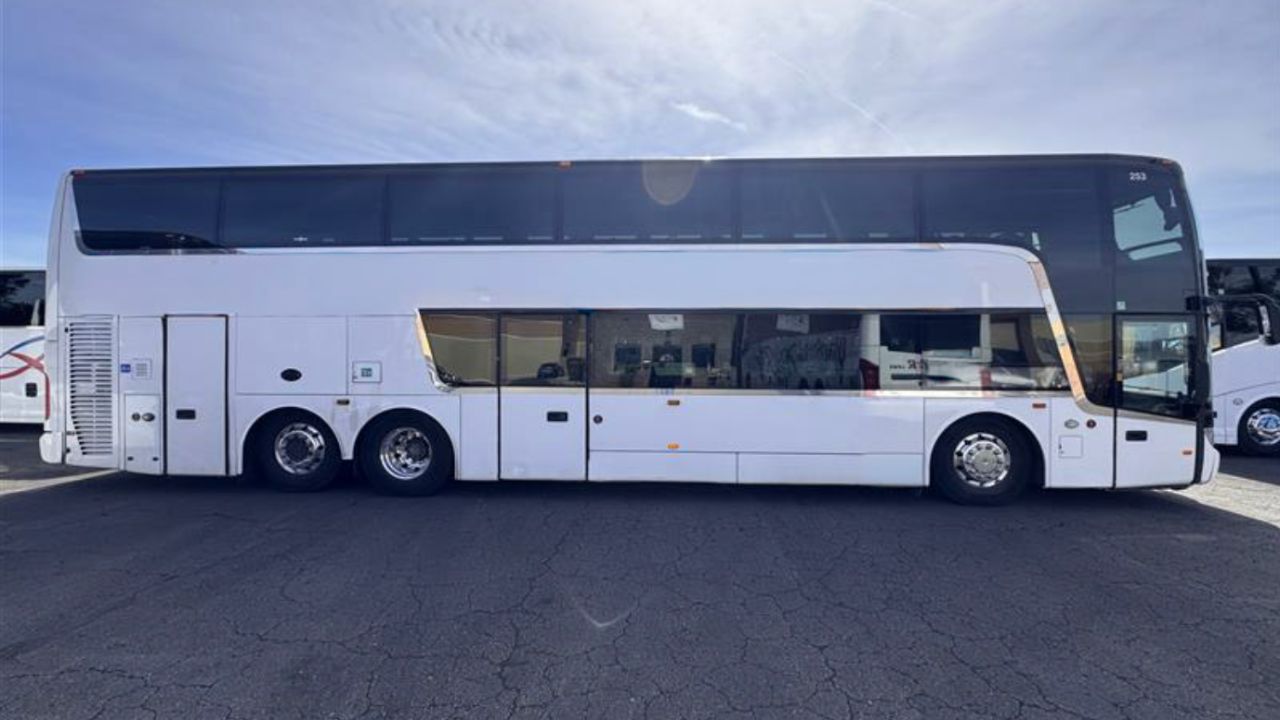
The TEMSA TS45 offers comfortable group travel through reclining seats, climate control, useful storage, and thoughtful cabin features. It is a full-size coach built for longer trips. Yet the best choice depends on the exact bus. Its age, layout, and upkeep all deserve a close look.
Think about a group heading home after a full-day tour. Some guests want to sleep, while others charge their phones. Bags need space, and no one wants a stuffy cabin. That is when small details start to matter.
For fleet buyers, comfort should be easy to test. A good brochure helps you build a shortlist. A close inspection shows what passengers will actually experience. These seven features give you a clear place to start.
What Should You Know About the TEMSA TS45?
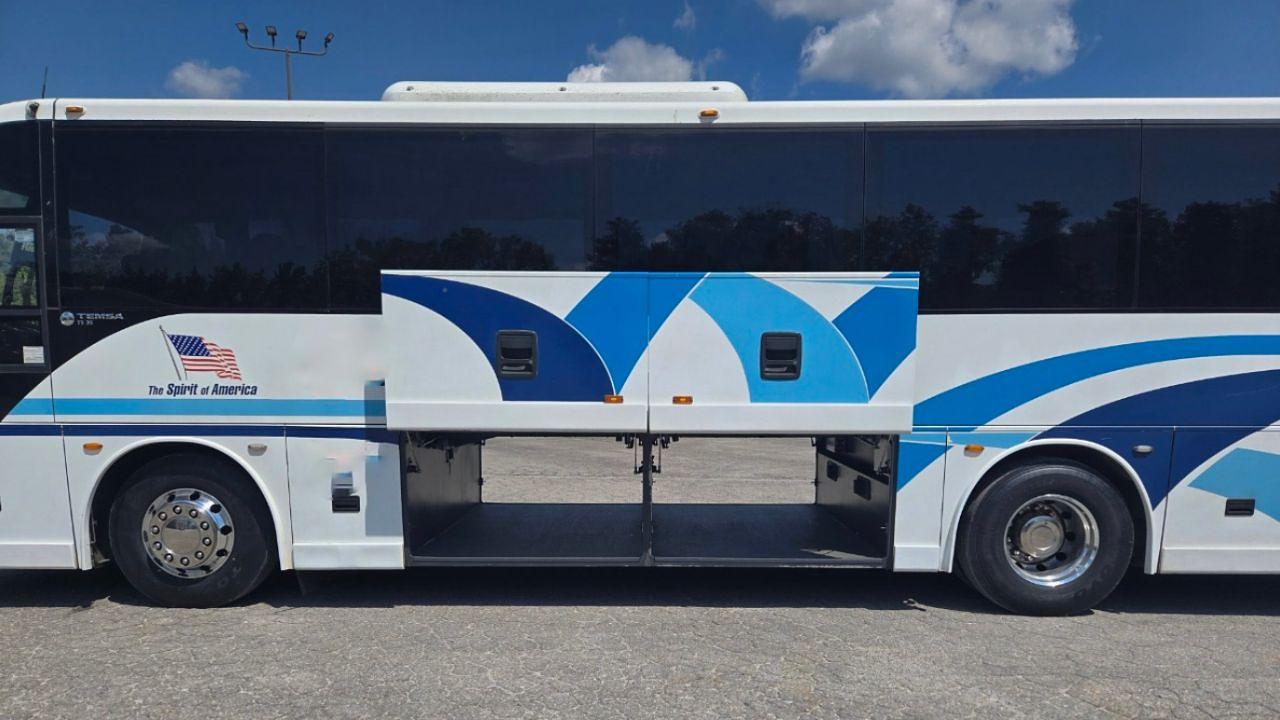
TEMSA lists the current North American model at 45 feet long, with 56 passenger seats and 460 cubic feet of luggage space. Those figures help buyers judge its size and group capacity. They do not tell the whole comfort story. Seat spacing and installed equipment still need a closer look.
Model year matters when you compare coaches. TEMSA’s latest design includes cabin updates that older buses may lack. A used coach may also have changed seats or fittings. Always match the sales listing to the actual vehicle.
Before a viewing, ask for these details:
- Model year and VIN: Use these to identify the exact coach and its build.
- Current seating plan: Check passenger capacity, seat spacing, and any changes.
- Equipment list: Confirm which comfort features are installed and working.
- Service records: Look for documented care, repairs, and unresolved faults.
TEMSA TS45: 7 Features That Shape Passenger Comfort
1. Reclining Seats With Useful Support
A seat can feel fine during a short viewing. Two hours later, small flaws become much harder to ignore. That is why seat comfort deserves more than a glance. Sit down, lean back, and test the available space.
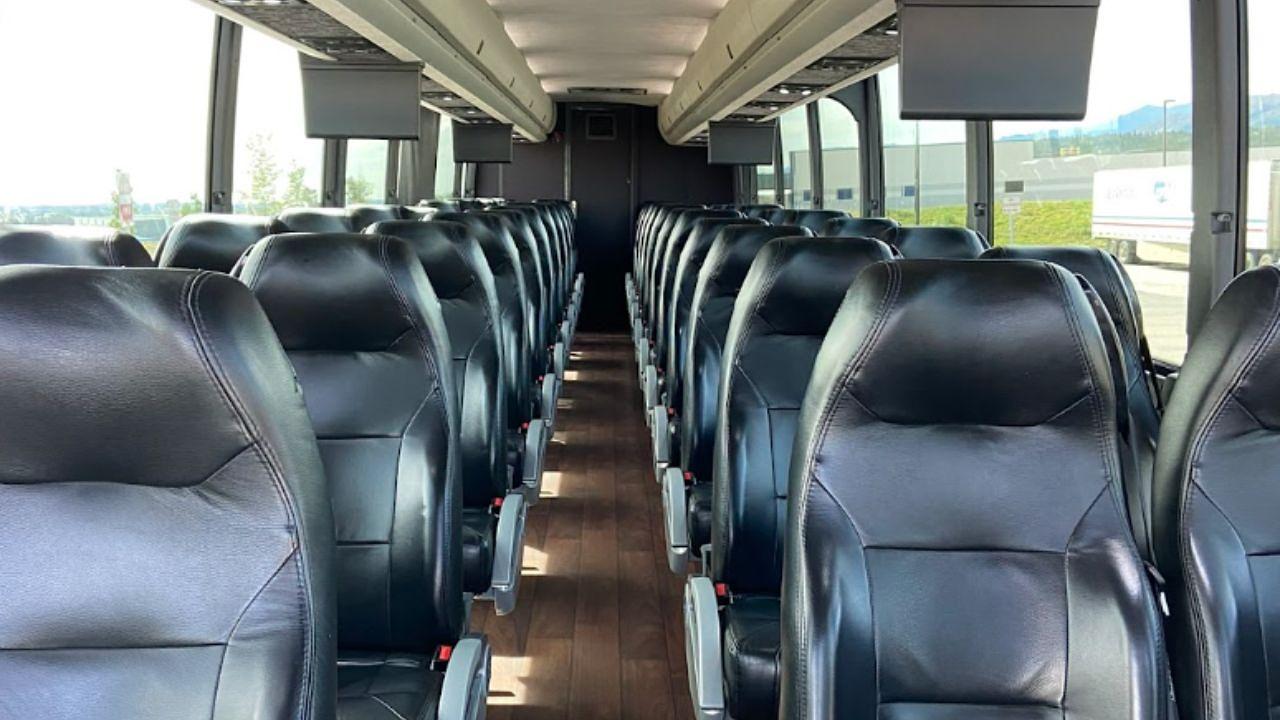
TEMSA has reclining seats, footrests, and cup holders. These features give passengers more ways to settle in. But their condition matters as much as their presence. A loose footrest or failed recline control adds little value.
Try seats at the front, middle, and rear. Have someone sit ahead of you, then recline their seat. Can you still move your knees with ease? That simple test tells you more than a polished cabin photo.
- Check recline controls and footrests across several seat rows.
- Look for worn padding, loose armrests, and damaged cup holders.
- Test knee room with the seat ahead fully reclined.
2. Climate Control That Reaches the Whole Cabin
A cool front row does not prove a cool coach. Passengers sit throughout the cabin, including the very back. For summer tours or long highway runs, even cooling matters. No one wants to spend the trip chasing a breeze.
TEMSA describes a high-capacity heating, ventilation, and air-conditioning system for the TS45. Published equipment also includes adjustable passenger air vents. These let riders direct airflow near their seats. Actual performance still depends on the system’s condition.
Ask to test the system before making a purchase decision. Walk through the coach once it has been running. Check airflow in several rows and ask about recent repairs. A mild morning can hide problems that appear during peak heat.
- Test heating and cooling rather than relying on dashboard lights.
- Check airflow at the front, center, and rear.
- Review climate-system service records and any reported leaks.
3. Luggage Space That Keeps Seats Clear
Comfort starts to slip when bags crowd people’s feet. A weekend tour can bring suitcases, coats, and shopping bags. A sports group adds gear to that mix and storage needs can grow faster than the passenger count.
The current TEMSA TS45 specification has 460 cubic feet of luggage capacity. That gives buyers a useful starting point for comparison. Yet total volume does not show how each bag will fit. Bay shape and installed equipment also affect usable space.
Build a sample load from your usual trips. Think beyond neat rows of matching suitcases. Will bulky team bags fit through the doors? Can staff load them without a long game of luggage Tetris?
- Measure bay openings for large or awkward items.
- Check luggage doors, seals, locks, and interior condition.
- Keep essential personal items within easy passenger reach.
4. An Onboard Restroom for Added Convenience
An onboard restroom gives passengers another option between planned stops. That can help on longer routes or traffic-heavy days. It also gives trip planners more breathing room. Still, it should support a sensible stop plan.
TEMSA’s published materials include a restroom in the TS45’s equipment. The latest brochure also describes a redesigned restroom area. Buyers should inspect the facility on the exact coach offered. Its upkeep will shape how useful it feels in service.
Open the door and check the space yourself. Look at the latch, lighting, ventilation, and overall cleanliness. Ask how the system is serviced between trips. A restroom on the equipment sheet is only the first step.
- Confirm that the door closes and locks properly.
- Ask the seller to demonstrate the restroom’s functions.
- Check for leaks, damage, and persistent odors.
5. Charging Ports for Everyday Travel Needs
A dead phone can turn a calm trip into a scramble. Guests may need their devices for tickets, maps, or calls. On work trips, charging also helps people stay connected. It is a small feature with clear daily value.
The current redesigned model includes USB-A and USB-C charging outlets while older coaches may use different ports or layouts. Do not assume every used bus has the latest setup. Check both the port type and its location.
Bring a phone and cable to the viewing. Try ports in more than one part of the cabin and ask whether faults have been found or repaired. Also confirm Wi-Fi separately, since charging ports do not provide internet access.
- Test outlets with a real device and suitable cable.
- Check whether each seat pair has convenient access.
- Confirm Wi-Fi equipment and service arrangements if you need them.
6. Cabin Lighting and Practical Overhead Storage
Good cabin design helps people settle without much fuss. Guests need somewhere to place light bags and jackets. They also need enough light to find their seat. These details matter during early starts and late returns.
TEMSA’s current design includes ambient lighting and enclosed parcel racks. Its published equipment also lists passenger reading lights. Together, these features support different needs within one shared space. Availability can vary on older coaches.
- Test reading lights in several parts of the coach.
- Check overhead rack doors for secure closure and damage.
- Inspect step lighting from a boarding passenger’s viewpoint.
7. Suspension That Supports a Settled Ride
A comfortable cabin should feel good once the wheels turn. Seat padding cannot hide every shake or hard jolt. That makes the road test a key buying step. A parked inspection leaves part of the story untold.
TEMSA’s North American brochure lists air suspension for the model. Suspension helps shape how road movement reaches the cabin. Yet wear and maintenance affect the result. Tire condition and road surface also influence what passengers feel.
With a qualified driver at the wheel, sample several seats. Notice persistent rattles, harsh movement, or unusual vibration. Ask a qualified motorcoach technician to investigate any concerns. Treat this as a check of that bus’s condition.
- Include normal highway driving in the road test.
- Compare the ride feel near the front and rear.
- Request an independent inspection before committing to a used coach.
How to Choose the Right TEMSA TS45 for Your Routes
Start with the trips your fleet actually runs. A tour group may place high value on luggage space. A corporate group may care more about charging and seat comfort. Your most common jobs should guide the shortlist.
Then consider who will board and leave the coach. Guests with mobility needs may require specific equipment and space. Do not judge access from exterior photos alone. Confirm the exact setup before treating the bus as suitable.
A lower purchase price also needs context. Worn seats or weak cooling may require work before service. Ask for repair estimates while comparing your options. That makes the choice clearer than price alone.
Find a Coach That Fits Your Business
The strongest comfort package combines good seats, working cabin systems, and sound upkeep. Storage, charging, lighting, and restroom condition all play a part. Check those features against your routes and passengers. Then confirm them through inspection and a road test.
The Bus Coach offers new and pre-owned bus and motorcoach sales. Contact its team about current availability and your required features. Request the coach’s records, layout, and equipment details before arranging a viewing.
FAQs
Q1: How many passengers does it seat?
TEMSA lists 56 passenger seats for the current North American model. Confirm the actual layout when reviewing a specific bus. Seat changes can affect the available passenger count.
Q2: Does it have a restroom?
TEMSA’s published equipment includes an onboard restroom. Inspect its condition and ask for a demonstration. Also confirm how it is serviced between trips.
Q3: Does every model have USB-C charging?
The current redesigned version includes USB-A and USB-C outlets. That does not establish the equipment on every older coach. Test the ports on the vehicle you are considering.
Q4: What should buyers check on a used coach?
Start with records, seating, climate control, storage, and cabin equipment. Follow that with a road test and independent inspection.