
Activity Bus vs. Charter Coach: Fleet Strategy, Safety Standards & Operating Cost Comparison
Published:
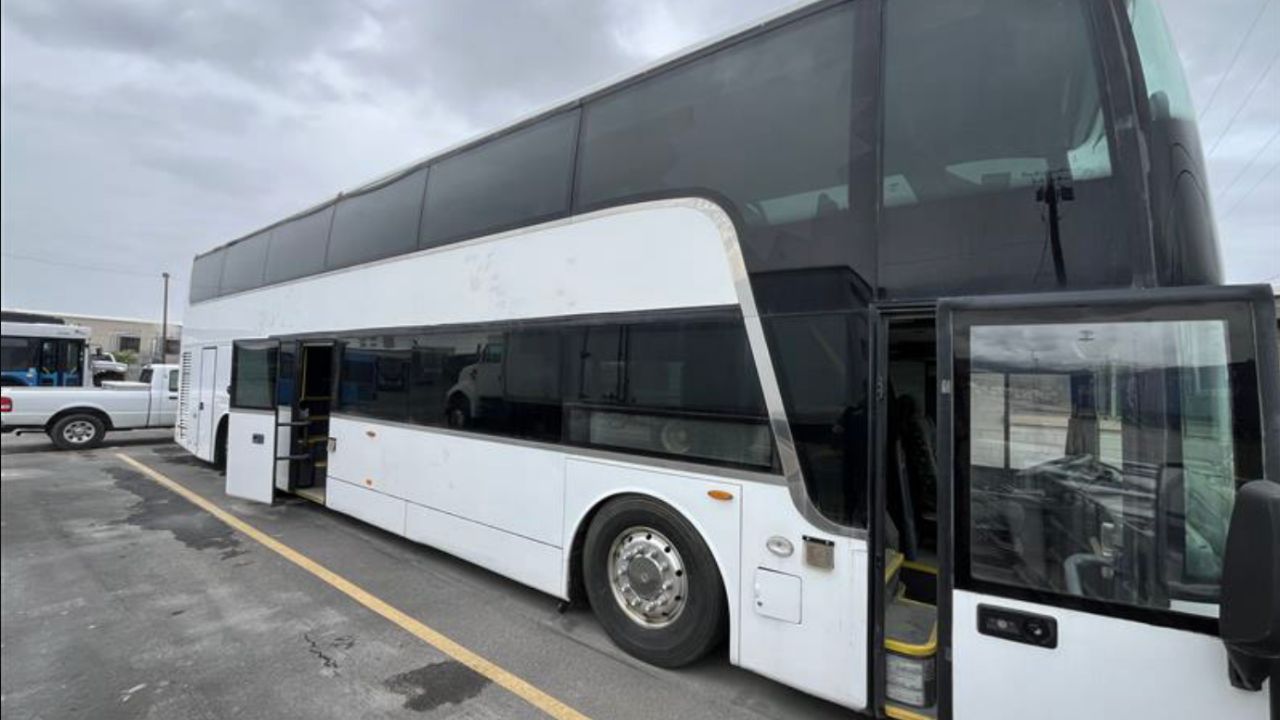
Buying a bus often starts with a simple thought: “We need more seats.” Then you picture the trips ahead, with team bags piled up, early starts, and long rides home. Soon, the choice involves much more than getting everyone on board.
If you’re weighing an activity bus against a charter coach, start with what a normal week looks like for your group. Will you mostly drive across town, or spend hours on the highway? Let’s walk through the fleet needs, safety checks, and costs that can help you choose with confidence.
Activity Bus vs. Charter Coach: What Is the Difference?
“Activity bus” is a broad sales term, so ask what it means. A multifunction school activity bus, or MFSAB, has a specific federal definition. It meets federal school bus standards except those for traffic control devices, such as flashing lights and stop arms. Its intended use excludes trips between students’ homes or school bus stops and school.
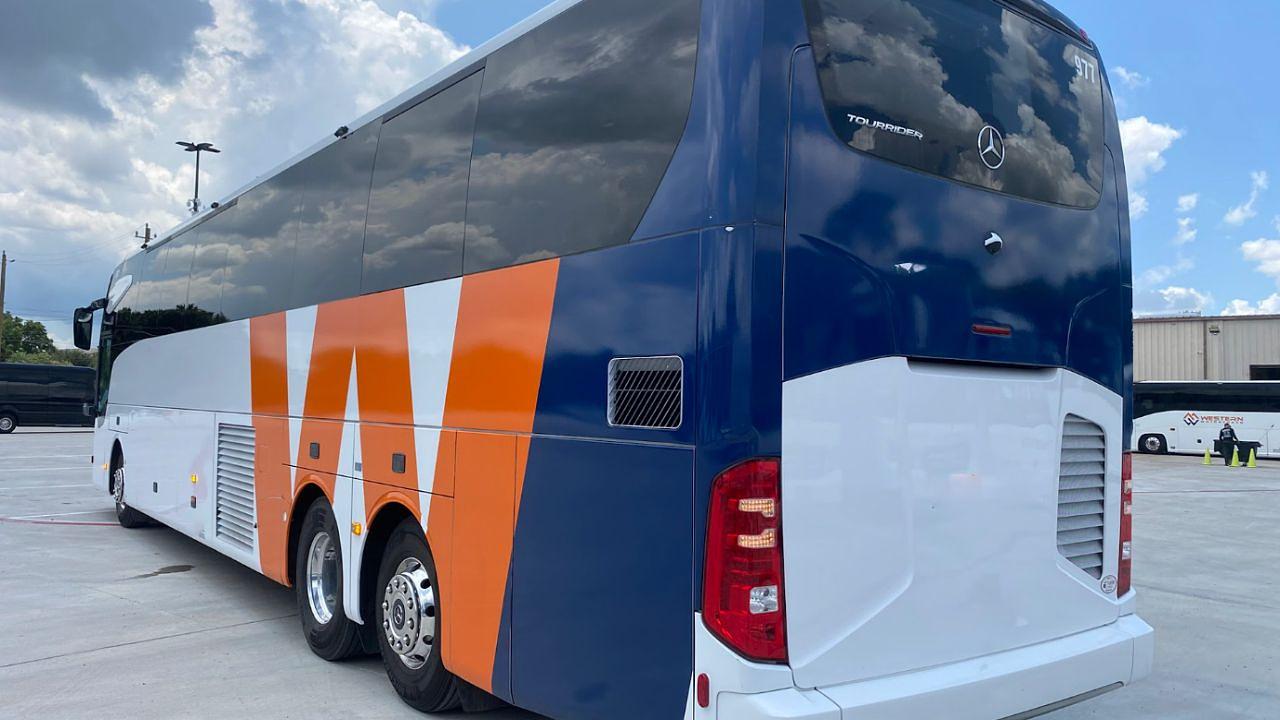
A coach is a vehicle type, while a charter describes a hired service. You can own a motorcoach or hire one with a driver. Coaches often have high seats and luggage bays beneath the floor. Restrooms, lifts, power outlets, and Wi-Fi vary, so check each unit.
These terms do not prove that either bus fits your job. A white bus with school-style seats is not proof of MFSAB certification. Nor does a coach badge promise a restroom or working seat belts. Ask for the build details and inspect the bus itself.
Build Your Fleet Around the Trips You Run
Start with last year’s trip log. Count local runs, long trips, peak dates, and days with no work. Note the number of riders and the gear they bring. A fleet should fit its usual work while still covering busy weeks.
Picture a high school team heading across town on Friday. The ride is short, but helmets, pads, and coolers fill the space. Now picture a six-hour band trip across Texas. The same head count brings a different need for storage, rest stops, and comfort.
Use those real trips to set your buying brief:
- Frequent local runs: Favor a bus that fits your group, route, and loading space. Check the ease of entry and the room needed to turn.
- Long highway trips: Check seat comfort, ride quality, climate control, and bag space. Test these features on the road before you buy.
- Large loads: Count bags, sports gear, and mobility aids as well as riders. Empty seats do not prove that enough cargo room remains.
- Rare peak trips: Compare hiring extra capacity with owning another bus. A spare unit still needs insurance, storage, care, and funds for repairs.
A mixed plan may make sense. You can own the bus that handles steady work, then hire a coach for rare long trips. This limits the cash tied up in a lightly used vehicle. Still, book peak dates early and check the backup provider’s safety record.
Activity Bus Safety Standards: Check the Use First
For school groups, legal fit comes before comfort or price. NHTSA regulates the manufacture and sale of new school vehicles. States set rules for how those vehicles may be used. Check state law and district policy before buying or booking student transport.
Seat belts need a close look, too. Federal rules require lap-and-shoulder belts in newly built motorcoaches covered by the rule from November 2016. That does not mean every used coach has them. Confirm the build date, vehicle class, and belt fit at each seat.
School bus belt rules differ by vehicle size, and state rules may add requirements. Do not judge safety by paint, age, or seat style alone. Ask a qualified inspector to check the actual vehicle and its records. Then have the person who oversees compliance confirm its planned use.
- Before committing, work through these checks:
- Vehicle records: Match the VIN to the title, build label, and service files. Ask about crashes, rust repairs, open recalls, and changes to seats or lifts.
- Mechanical health: Check brakes, tires, steering, suspension, leaks, and warning lights. Have a qualified technician assess the bus rather than relying on a short test drive.
- Passenger needs: Test belts, exits, steps, grab rails, and climate control. If a lift is fitted, check its operation and wheelchair securement equipment.
- Hired transport: Review the actual carrier’s authority, insurance, and safety history through FMCSA. Confirm which company will run the trip if the booking is subcontracted.
For operations covered by federal rules, maintenance is an ongoing duty. FMCSA requires systematic inspection, repair, and maintenance, plus periodic inspections at least once every 12 months. Passing one inspection does not replace routine care. Budget for both planned work and faults found between services.
Compare Operating Costs Beyond the Purchase Price
There is no sound, fixed price gap between these bus types. Age, size, condition, features, and service history all change the math. Financing terms and local labor rates matter as well. Use quotes for specific vehicles, not a broad claim that one type always costs less.
Total ownership cost includes buying the bus, running it, and selling it later. Count depreciation, interest, insurance, storage, wages, fuel, maintenance, and repair reserves. Include empty miles to and from the pickup point. Those miles use fuel and driver time without carrying the group.
Build both budgets with the same cost items:
- Ownership: Use purchase price minus expected resale value, spread across the years you plan to keep it. Add interest and other fixed costs.
- Fuel: Divide annual miles by expected miles per gallon, then multiply by fuel price. Use route-based records when available, including idle time.
- Labor: Include checks, loading, waiting, cleaning, and return travel. A four-hour event can require far more than four paid driver hours.
- Repairs and downtime: Allow for tires, brakes, air conditioning, and major repairs. Add the cost of substitute transport when a bus is unavailable.
- Coach features: Price the care needed for fitted restrooms, lifts, and other systems. Useful features still bring cleaning, service, and repair needs.
Here is a simple example. Suppose one bus costs $60,000 a year to own and run for 100 trip days. That works out to $600 per trip day. A second costs $80,000 but serves 160 days, or $500 per day.
The second bus costs more overall, yet spreads its cost across more work. That does not make it the better buy by itself. Compare trip lengths, rider counts, and service quality on the same basis. Also test what happens if demand falls or a major repair comes due.
Driver Hours Can Change the Whole Plan
A long day can cost more even when the route looks simple. For covered interstate passenger operations, federal rules generally limit driving to 10 hours after eight straight hours off duty. Drivers also cannot drive after 15 on-duty hours following that rest. Weekly limits apply, and waiting at an event is not automatically off duty.
That matters when a tournament runs late or a return trip starts at night. A second driver or hotel stay may change the quote. Build the schedule with the carrier before fixing the budget. Leave room for traffic, loading delays, and safe stops.
Use Inspection Services to Support the Purchase
The Bus Coach lists inspection services among its asset management services. It also lists equipment appraisals, asset evaluation, asset recovery, and asset remarketing. These are relevant when comparing used buses or planning a fleet change. Ask which services fit your purchase and what each includes.
Before paying a deposit, request a clear inspection scope. Find out whether it covers a road test, diagnostic scan, underbody checks, and written findings. Ask who performs the work and how repair estimates are handled. A condition report and a value appraisal answer different questions, so clarify which you need.
Choose the Bus That Fits the Work
Choose an activity bus when its approved use, layout, and costs suit your regular trips. Choose a coach when long rides, luggage, and comfort justify its full cost. Consider hired transport when demand is too thin to support ownership. In every case, put legal fit, condition, and driver planning ahead of the sticker price.
FAQs
Q1: Can an activity bus replace a school bus?
Not for every route. An MFSAB is not intended for trips between students’ homes or school bus stops and school. State rules govern permitted use. Confirm the route with the relevant school transport authority.
Q2: Is a charter coach always more expensive?
No. A trip quote and an ownership budget cover different costs. Compare the same route, dates, rider count, and service needs. Include driver expenses, parking, tolls, and backup arrangements.
Q3: Should a small fleet own both types?
Only if the work supports both. Review annual demand, spare capacity, and access to reliable hired transport.