
Corporate Shuttle Bus Fleet Guide: Cutaways vs. Executive Sprinters for B2B Contracts
Published:
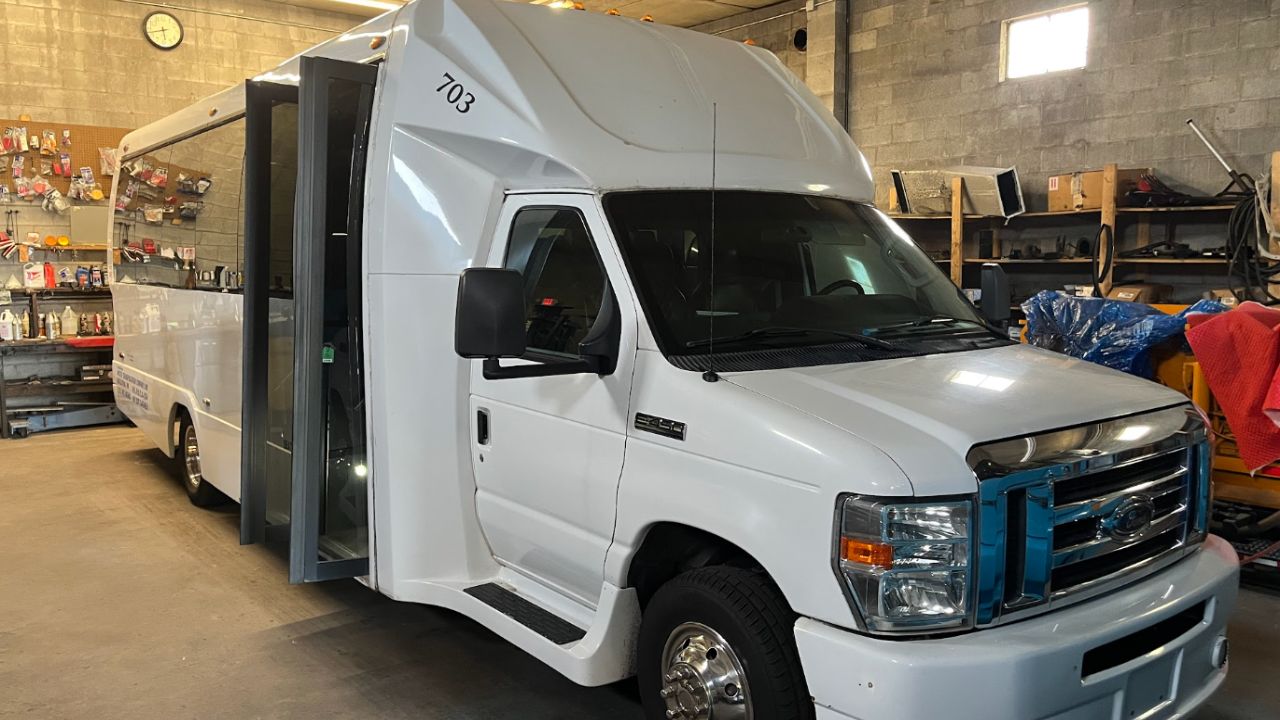
Choosing a corporate shuttle bus comes down to one question: what does your client need from each trip? A cutaway often suits busy staff routes, while an executive Sprinter fits smaller groups that value extra space and comfort. But looks and seat counts tell only part of the story. Before you buy, weigh the route, peak demand, and what the contract will pay.
Think about the morning pickup. Are you moving a full shift from a rail stop, or taking six guests from a hotel to a board meeting? Those jobs call for different layouts, features, and budgets. This guide walks through both options to help you choose a vehicle that serves the client and protects your margin.
Start With the Corporate Shuttle Bus Contract
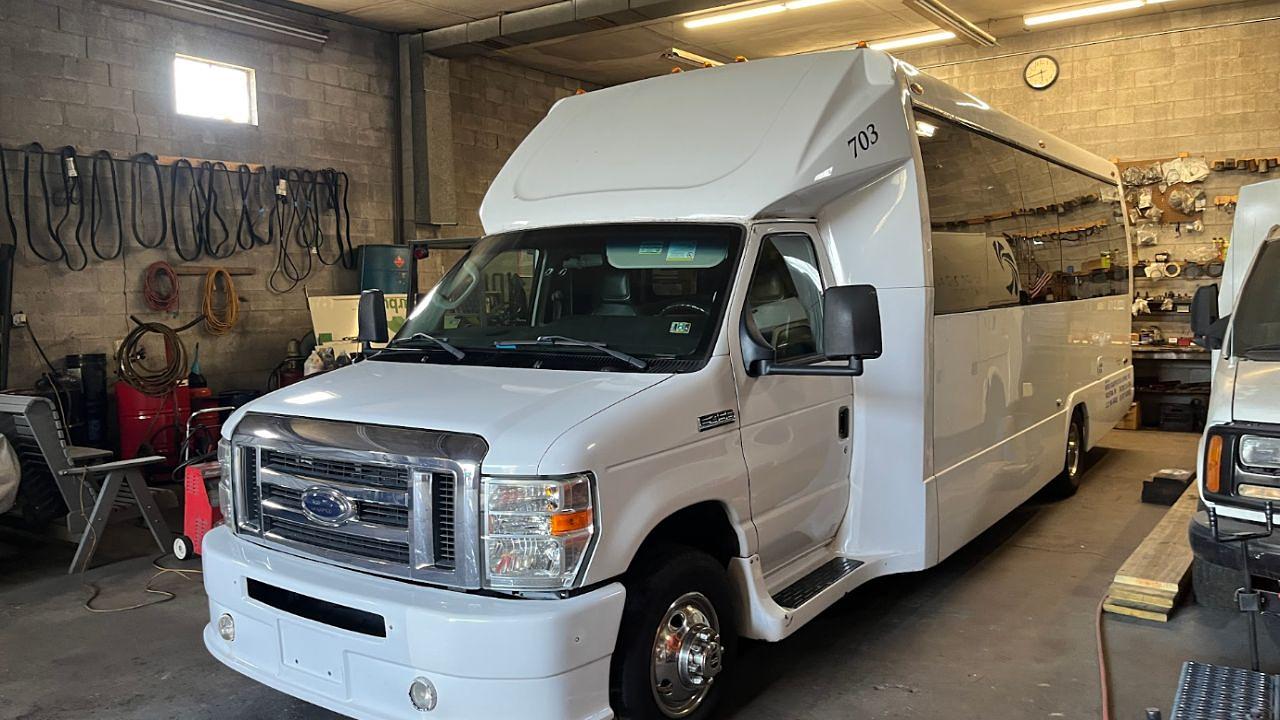
A staff shuttle and a board meeting transfer serve different needs. Staff may prize a seat, cool air, and a prompt ride. A small group of clients may value more space and a quiet cabin. Neither group wants a missed pickup.
Picture a rail stop near an office park outside Atlanta. A train pulls in, and 22 staff members need the next ride. A plush van with too few seats leaves some behind. On that route, capacity matters more than mood lights.
Before you shop, get these points in writing:
- Peak load: Count the most riders on one trip, not the daily average. Ask what happens on full-office days.
- Trip pattern: Note fixed stops, shift times, and booked rides. A firm schedule calls for a different plan than trips on demand.
- Bags and access: Count carry-ons and mobility devices. Seat count alone does not show how much useful space remains.
- Service terms: Set pickup windows, spare vehicle rules, and late-trip charges. These terms shape both fleet size and price.
Cutaways: Built Around the Daily Route
A cutaway pairs a cab and chassis with a separate bus body. That body can hold a range of seats and access layouts. For a route with frequent stops, assess the door, steps, aisle, and grab rails.
However, do not assume every cutaway is a high-seat-count bus. The Bus Coach lists a 2026 TruPath Vindicator E350 with a floor plan labeled 12 passenger seats and two wheelchair positions. It also lists a lift and an electric entry door. Before booking, confirm the exact layout before treating those spaces as interchangeable seats.
A cutaway earns its place when the chosen layout fits the peak load. It may suit a plant shift change or a loop between offices. Yet a wide cabin alone does not make a route work. Door time, traffic, and stop spacing still set the pace.
Look closely at these route-focused details:
- Entry and exit: Test the steps and handholds with real users. Time a full boarding rather than judging it from photos.
- Climate control: Run the rear air system on a warm day. Check comfort near the back, with doors in use.
- Body condition: On a used unit, inspect floor edges, seams, and door frames. Have a bus technician check for leaks and damage.
Executive Sprinters: Sell Space With a Purpose
An executive Sprinter makes sense when a small group pays for the cabin experience. Think about guest transfers, site visits, or airport trips for a leadership team. The value lies in the booked service and agreed features. A badge alone does not justify a higher rate.
Mercedes-Benz lists seating for up to 15 in its factory Sprinter passenger range. That does not establish the capacity of a custom executive build. Larger seats, tables, and storage can change the layout. Check the completed vehicle’s seat count and weight limits.
Choose features the client will use and fund:
- Usable luggage space: Load the bags before the test drive. A clear aisle should stay clear when every seat is taken.
- Work features: Test charging ports, lights, and any Wi-Fi system. Ask about data plans and coverage rather than promising constant service.
- Cabin comfort: Check legroom, noise, and the ride from each row. A short drive from the front seat tells only part of the story.
Compare Corporate Shuttle Bus Costs Per Completed Trip
The lowest purchase price does not always yield the best margin. A small vehicle may need more trips to move the same group. Each extra run adds time and may add driver hours. A larger bus can also waste money when demand stays low.
Use a simple measure that is “total service cost divided by completed passenger trips.” Include fixed costs as well as fuel and upkeep. Count empty travel from the yard, too. Those miles earn no fare, but they still cost money.
Consider a hypothetical route with 24 riders ready at once. A vehicle with 24 usable rider seats can move them in one run. One with 12 would need two runs or another vehicle. If the client needs everyone on time, the cheaper unit may fail the brief.
Build each quote from the same cost list:
- Vehicle costs: Include payments or depreciation, interest, insurance, taxes, and planned resale value. Keep finance payments distinct from profit.
- Daily costs: Add wages, fuel, cleaning, tolls, and parking. Include split shifts and paid waiting time.
- Repair reserve: Budget for tires, brakes, climate systems, and body equipment. Use records and quotes for the exact build.
- Service recovery: Price spare coverage and substitute transport. A low monthly payment cannot rescue a missed shift change.
Check Access, Weight, and Driver Needs Early
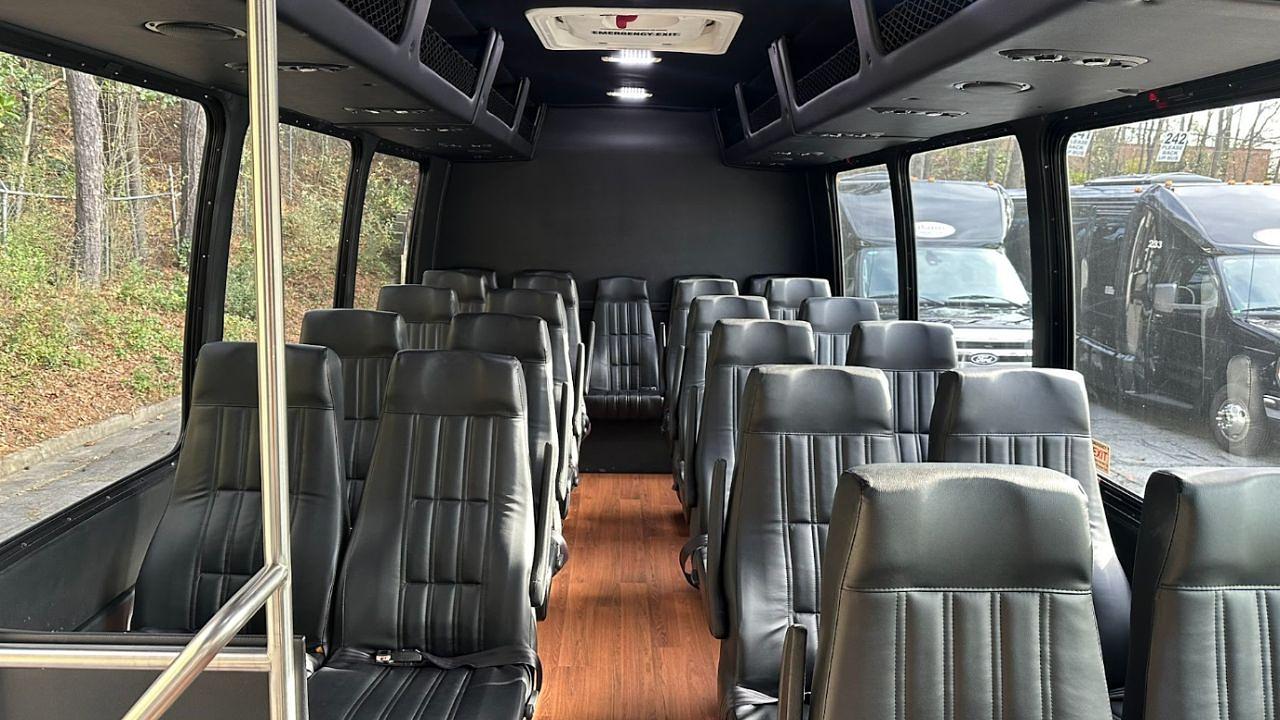
Access needs belong in the bid, before the purchase. Federal transportation access rules vary by service and operator type. Some services must use accessible vehicles; others may meet an equivalent-service standard. Have a qualified reviewer check which rules apply to the contract.
Driver needs also depend on more than the vehicle’s name. FMCSA identifies a CDL threshold at a design capacity of 16 or more people, including the driver. Vehicle weight can trigger CDL rules as well. A smaller van can still fall under other commercial carrier rules.
Ask for the completed vehicle’s ratings, not just a base chassis brochure. Seats, trim, lifts, riders, and bags all add weight. Have a qualified technician confirm the loaded vehicle stays within its limits. Then check license, insurance, and access needs with the right specialists.
Test the Route Before You Buy
A test drive should copy the job as closely as possible. Drive the turns, stop at the curbs, and check the drop-off zone. Measure garage and canopy clearance against the finished vehicle’s height. A route can look easy on a map and feel tight behind the wheel.
For a used bus, seek an independent inspection and service history. Check both the chassis and the fitted equipment. Ask who repairs each system and how soon parts can arrive. The nearest shop is useful only if it can handle your build.
Give each candidate the same final test:
- Run at the right time: Check traffic during the actual service window. Add boarding time and a sensible delay buffer.
- Load for the job: Use the planned rider and bag load safely. Verify access space and weight before the run.
- Test the backup plan: Confirm a spare can meet the same core needs. Put response times and costs in writing.
Match the Purchase to the Revenue Plan
The Bus Coach offers financing and operational analysis, including fleet management and RFP preparation support. These services can help frame a purchase around a bid. Ask about the exact scope, cost, and terms. Bring the route plan and draft contract to that discussion.
Choose a cutaway when its layout serves your peak route well. Go for an executive Sprinter when small-group work funds the added comfort. Finally, consider both only when demand supports both.
FAQs
Q1: Is a cutaway always cheaper than an executive Sprinter?
No fixed price rule covers every build. Age, condition, equipment, and financing all affect cost. Compare quotes for vehicles that meet the same job. Then include staffing, repairs, and spare coverage.
Q2: How many riders fit in an executive Sprinter?
The completed floor plan sets the answer. Factory Sprinter seating figures do not apply to every custom cabin. Ask whether quoted capacity includes the driver. Check luggage space and loaded weight as well.
Q3: Should a new operator buy used?
A used unit can reduce the initial cash outlay. Its value still rests on condition and repair needs. Budget for an inspection and work before service starts. Check whether the client sets age or mileage limits.
Q4: Can one vehicle handle staff and executive work?
It can, if both jobs fit its layout and schedule. Check for peak-time clashes before counting that revenue.