
40 Passenger Bus Fleet Guide: When a Mid-Size Coach Beats a 56-Passenger Setup
Published:
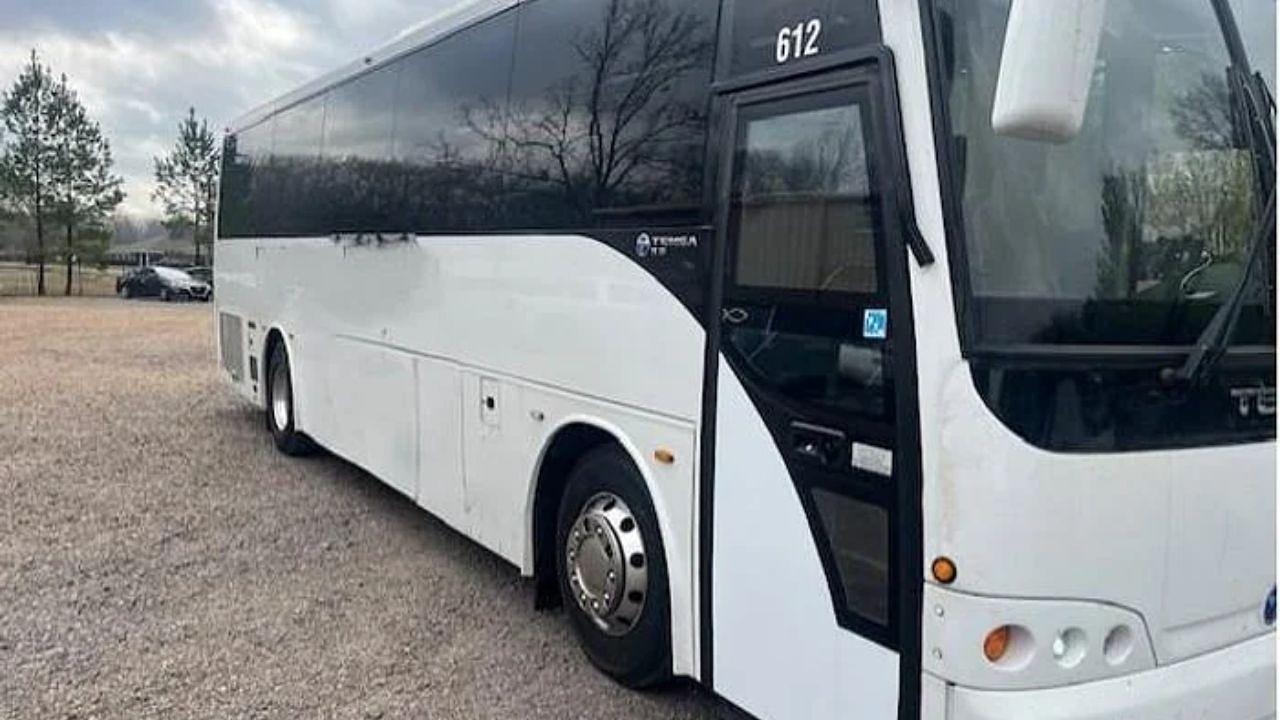
Fewer seats do not always mean a cheaper trip. You still need a driver, fuel, upkeep, and a sound bus. The best choice starts with the work you book each week. A 40-passenger bus beats a 56-seat coach when your groups fit, their bags fit, and the smaller coach costs less to run and own.
Think of a hotel run with 28 guests. A full-size coach may leave rows of empty seats, but when you add cruise bags, a tour host, and a late group change. Now the choice needs a closer look.
What Is a 40 Passenger Bus?
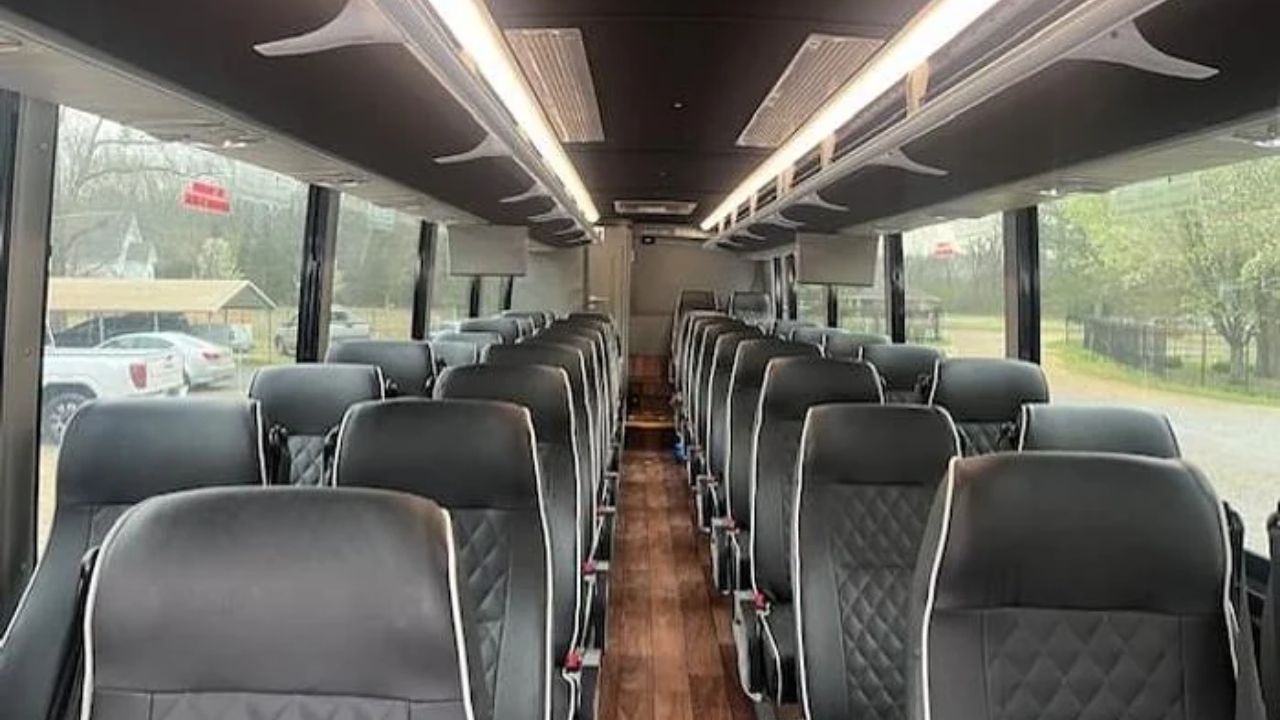
The term describes seat count, not one fixed bus design. A shuttle and an integral motorcoach can both carry similar groups. Yet their ride, bag space, and trip range may differ. For fleet buyers, the build matters as much as the seats.
A true mid-size coach can suit day trips and longer tours. Some models offer reclining seats, a restroom, and storage below the floor. It’s important that you check the exact year and floor plan before you buy. Features on a new model may be absent on an older one.
When a Mid-Size Coach Earns Its Place
A 40-passenger bus makes sense when smaller groups drive your sales. Start with completed trips from the past year and count all riders who need seats, including hosts and staff. Then check how often each trip stays within your proposed layout.
Strong use cases include:
- Staff runs: Headcounts stay steady, with room for new hires.
- Wedding trips: Each planned load fits without extra loops or delays.
- Local tours: Guests get coach comfort without a full-size group.
- Team travel: Players, staff, and gear all fit the same vehicle.
- Hotel transfers: Guest counts and bags suit the coach on busy days.
Keep room for the real headcount. A booking for 36 guests may also need two staff seats. Buying for the average alone leaves little room for change.
Compare Seats, Bags, and Route Fit
Seat count is only the first test. Bags can decide the choice before fuel costs do. A sports team may fill the bays with gear and airport guests may each bring a checked bag and a carry-on.
Decision Point: Group size
Mid-Size Coach May Fit Best: All riders fit with a useful buffer
56-Seat Coach May Fit Best: Groups often exceed 40 riders
Decision Point: Bags and gear
Mid-Size Coach May Fit Best: Loads fit the bays and weight limits
56-Seat Coach May Fit Best: Large bags or bulky gear need more room
Decision Point: Site access
Mid-Size Coach May Fit Best: A shorter coach fits verified stops
56-Seat Coach May Fit Best: Stops have room for a larger coach
Decision Point: Fleet role
Mid-Size Coach May Fit Best: Smaller jobs tie up your large coaches
56-Seat Coach May Fit Best: Large group work drives most sales
A shorter body can help at some hotel entrances. Still, length alone does not prove a route works. Check turns, rear swing, grades, clearances, and safe loading spots.
Does a 40 Passenger Bus Cost Less?
It can, but compare real quotes and fleet records. A smaller coach may still use costly coach-grade parts. Driver time may be much the same on both vehicles. Financing terms and repair needs can outweigh modest fuel savings.
Build a full annual budget for each choice. Include miles driven without guests, shop time, and backup cover. Use the same routes and workdays in both estimates.
Your cost sheet should include:
- Purchase and finance: Price, down payment, interest, term, and final payments.
- Fuel: Route miles, empty miles, idle time, and measured fuel use.
- Labor: Driving, trip prep, cleaning, and paid waiting time.
- Upkeep: Tires, brakes, service, repairs, and parts lead times.
- Fixed costs: Insurance, storage, fees, and expected loss in value.
- Lost work: Trips declined because seats or bag space fall short.
Test Fuel Savings With Simple Math
Use a sample to see how the math works. Say both coaches travel 30,000 miles per year. Assume the smaller one gets 8 mpg and the larger gets 7 mpg. At $4 per gallon, the smaller coach uses $15,000 in fuel. The larger one uses about $17,143, leaving roughly $2,143 in annual fuel savings. One large repair could wipe out that gap.
Compare 40 Passenger Bus Profit Per Trip
Now use a second sample with 32 paying guests. Assume a mid-size trip costs $900 and the larger trip costs $1,050. Their costs per rider are $28.13 and $32.81. The smaller coach saves $150 on that job. But suppose 50 guests pay $35 each. A 56-seat coach can carry them in one trip. At the same assumed $1,050 cost, $700 remains before other costs. The smaller coach needs another plan, which may erase its savings.
When the 56-Seat Coach Wins
Keep the larger coach when demand often exceeds the smaller bus. The same applies when bags fill the bays first. Spare seats can also help with tour growth. Turning away profitable work is a cost worth counting.
Look beyond headcount when you make that call:
- Peak dates: Several groups may need large coaches at once.
- Heavy gear: Seat space does not prove the load is within limits.
- Long tours: Guests may need more room for bags and supplies.
- Growth plans: A signed larger contract can change your fleet needs.
- Backup gaps: A second vehicle may be hard to source when needed.
Inspect the Coach Before You Buy
A used coach can look sharp and still need costly work. Have an independent coach technician inspect the exact unit. Ask for written findings and repair estimates before closing the deal.
Give the inspector a clear brief:
- Review service logs, fault history, and prior collision repairs.
- Check the structure, suspension, brakes, tires, and fluid leaks.
- Test heat, air conditioning, doors, restroom, and fitted seat belts.
- Confirm the seat layout, rated loads, and usable bag space.
- Test any wheelchair lift and securement equipment, where fitted.
- Check local parts support and complete a proper road test.
Build Your Shortlist With The Bus Coach
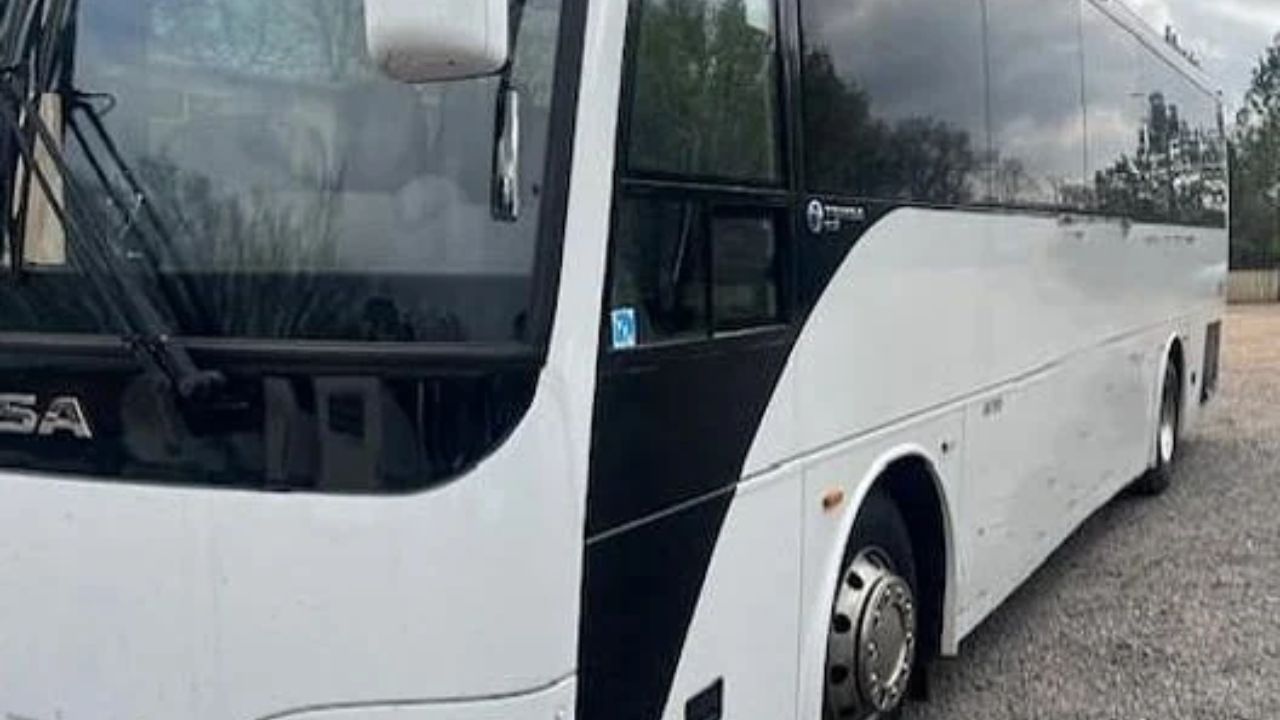
The Bus Coach offers new and pre-owned bus sales. It also offers commercial bus financing and operational analysis. That mix gives buyers a way to discuss fleet needs alongside vehicle choices. Make sure to confirm the scope, terms, and available stock with its team.
Start with your routes, rider counts, bags, and budget. Ask which coaches fit those needs and which costs remain uncertain. Request records for each shortlisted unit and then use an independent inspection to test the buying case.
Buy for the Work You Can Keep
The right 40-passenger bus fills a clear role in your fleet. It carries your usual groups without wasting useful capacity elsewhere. It also leaves room for bags, changing headcounts, and sound trip margins. Which coach best serves the work your customers keep booking?
FAQs
Q1: How many seats does a mid-size coach have?
Seat counts vary by model and floor plan. Some coaches in this class carry about 40 passengers. Confirm the actual passenger seats, driver seat, and any host seat separately.
Q2: Is a 40-passenger bus always 35 feet long?
No. Seating capacity does not set the vehicle's length. The TEMSA TS35 is one 35-foot example. Other designs and layouts can differ.
Q3: Can a mid-size coach handle long trips?
Yes, when its condition and equipment suit the work. Check seating, climate control, restroom needs, and bag space. Review service support along your planned routes as well.
Q4: Will a smaller coach always use less fuel?
No. Route, speed, load, engine, and idle time all affect fuel use. Compare measured records from similar work. Avoid treating assumed mpg as a promised saving.
Q5: Should a small fleet own both sizes?
It depends on demand and available backup. A mixed fleet can cover more group sizes. But each bus must earn enough to justify its costs. Review annual bookings before adding another unit.
Q6: Can The Bus Coach help with financing?
Yes. Its commercial bus financing page lists loan and lease options. Ask the team for terms based on your business and chosen vehicle. Approval and the final offer need confirmation