
Coach Bus vs. Charter Bus: What’s the Real Difference for Fleet Operators?
Published:
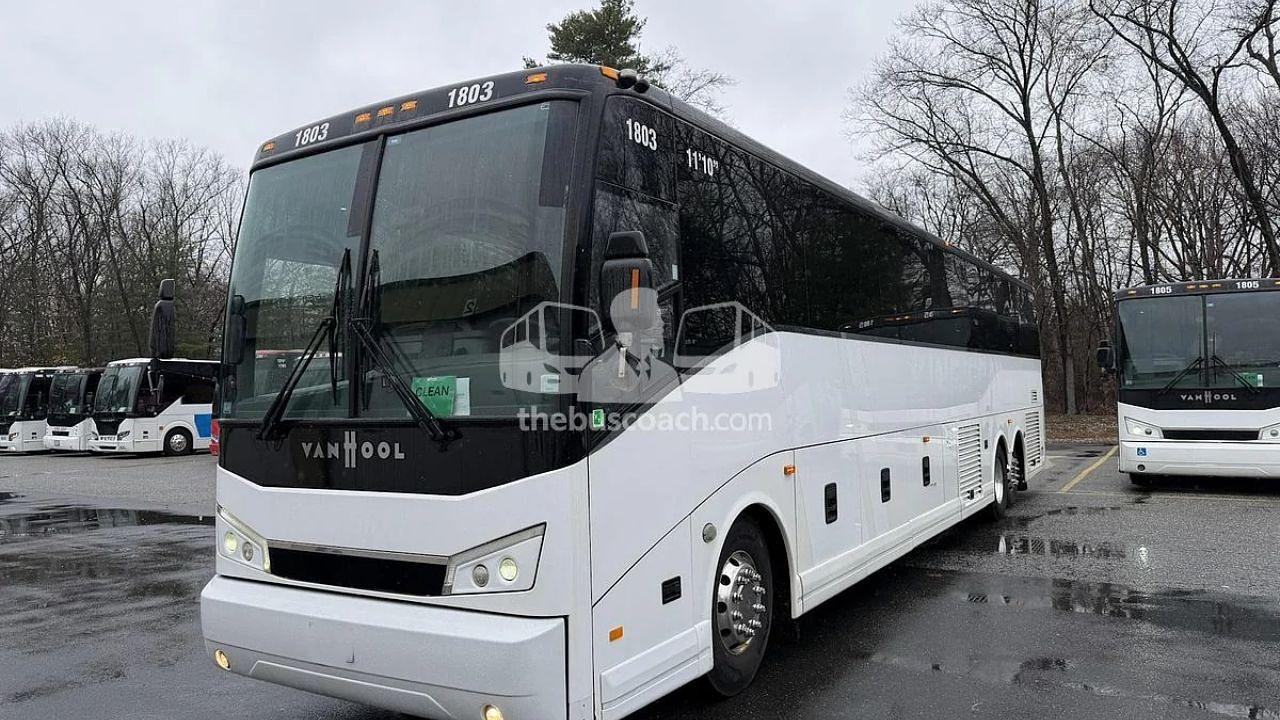
The coach bus vs. charter bus question comes up when buyers compare listings. What matters is the build, condition, and operating cost. In short, a coach bus is a vehicle type; a charter bus describes a bus hired for a group’s trip. One bus can be both. For fleet owners, that means the terms alone cannot guide a purchase. The right choice starts with the work you need to win.
Coach Bus vs Charter Bus: What Each Term Means
What is a coach bus?
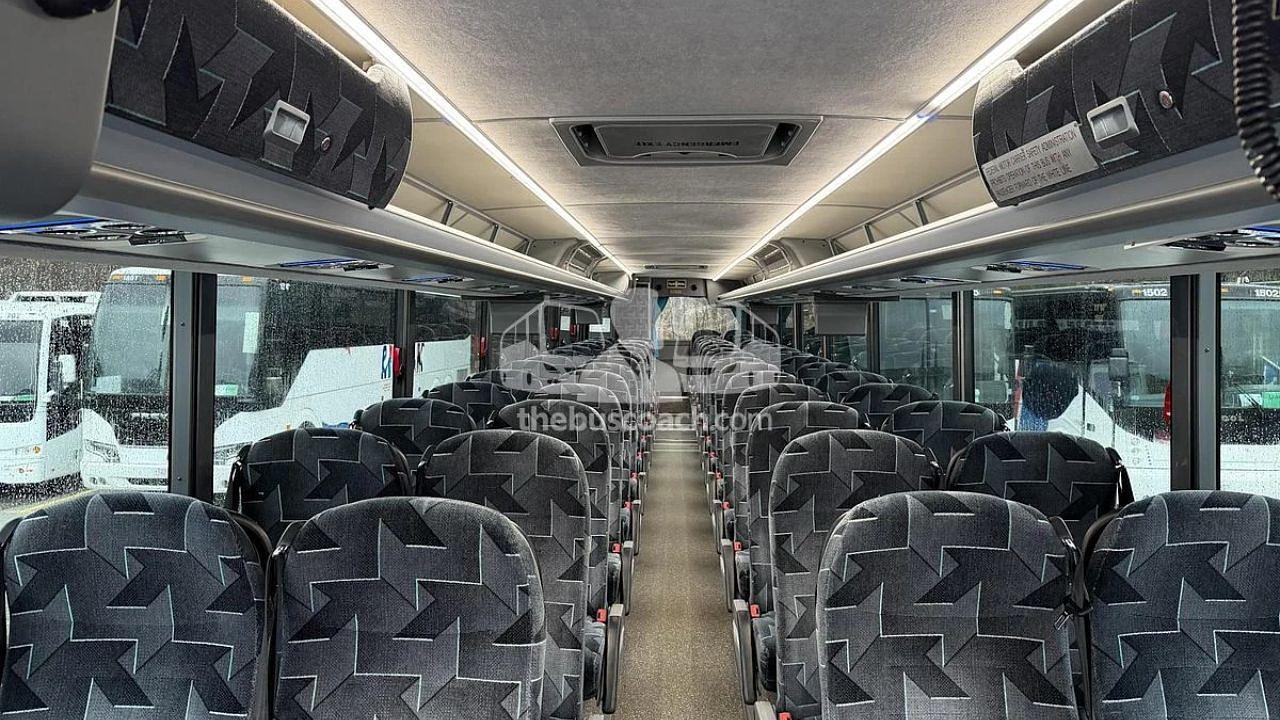
A coach, or motorcoach, has a raised passenger deck above a baggage bay. That is the key design feature in FMCSA’s definition. Seats, trim, and onboard features vary by model and year. Check the build sheet before assuming what comes with it. A coach often suits trips with long stretches between stops.
What is a charter bus?
Charter describes how a group books the service. FMCSA describes charter service as a group contracting for exclusive vehicle use during a trip or tour. The word does not define a single bus design. It also does not promise a restroom, Wi-Fi, or a set number of seats.
That explains the overlap in charter bus vs coach bus searches. A coach can serve a private group on Saturday. The same coach may work a scheduled route on Monday. Its use changes, but its basic design stays the same.
QuestionCoach busCharter busWhat does the name describe?The vehicle’s designThe group travel serviceDoes it define one seat count?NoNoDoes it promise specific features?No; check the unitNo; check the quoteCan one bus fit both terms?YesYes
Question: What does the name describe?
Coach Bus: The vehicle’s design
Charter Bus: The group travel service
Question: Does it define one seat count?
Coach Bus: No
Charter Bus: No
Question: Does it promise specific features?
Coach Bus: No; check the unit
Charter Bus: No; check the quote
Question: Can one bus fit both terms?
Coach Bus: Yes
Charter Bus: Yes
Bus vs Coach: Where the Design Matters
“Bus” is the broad term for a vehicle that carries passengers. A coach is one type within that group. So the useful bus vs coach comparison starts with the floor plan.
For frequent stops, focus on how people get on and off. For long trips, look closely at seats and bag space. Neither layout wins every job. A bus that shines on a tour may slow a busy hotel loop.
Compare each unit against these practical needs:
- Entry: Check step height, handrails, door width, and boarding time. Walk through the process with the people who will use it.
- Bags: Test the space with your real trip load. Sports gear, strollers, and suitcases can fill bays in quite different ways.
- Seats: Verify the current layout and usable seat count. Ask how wheelchair spaces or other changes affect the planned group size.
- Comfort: Test cooling, heat, seat controls, and onboard features. A feature listed in an ad still needs to work under load.
Match the Bus to the Work You Can Book
Why start with demand? Because a parked bus still costs money. Your next unit should solve a clear gap in your fleet. It should also fit work you can sell at a sound rate.
Picture two jobs in Georgia during a fall weekend. One group needs a round trip to an Atlanta game. Another needs short hotel runs with quick turnarounds. Both are group trips, yet their needs differ in useful ways.
Before you shop, review the work you already quote:
- Look at group size: Review actual bookings and lost bids. Do not size the whole purchase around one large job each year.
- Map trip length and stops: Note drive time, pickup points, and stops. Include empty miles from your yard to the first pickup.
- Check the load: Count bags and gear as well as guests. A smaller group can still need a large amount of storage.
- List must-have features: Separate contract needs from nice extras. Ask whether buyers will pay more for each added feature.
- Plan backup coverage: Decide how to cover a breakdown or peak day. Include that cost when you set your trip rates.
The coach bus vs charter bus label cannot answer those questions but your trip records can. They show where your fleet turns work away or carries spare seats. That is a better place to start than a polished sales photo.
Coach Bus vs Charter Bus: Compare Total Cost
A low asking price can hide a large repair bill. A higher price may also fail to pay off. Compare the whole cost against realistic paid work. Use the same assumptions for each bus on your shortlist. Start with what leaves your bank account each month. Then add costs tied to miles, trips, and age. Keep room for repairs and slow weeks.
- Purchase costs: Include tax, delivery, inspection, and needed work. A bus may need cash before it earns its first trip fee.
- Fixed costs: Count debt payments, insurance, parking, and office overhead. These bills still arrive when bookings dip, or the bus sits.
- Trip costs: Add fuel, driver pay, tolls, and cleaning. Include driver lodging where the trip plan calls for an overnight stay.
- Upkeep costs: Budget for tires, service, repairs, and spare parts. Ask your shop to help build estimates for each specific unit.
- Lost work: Allow for time in the shop. One cancelled trip can also put a repeat client relationship at risk.
Here is a simple planning example, not a market rate. Suppose fixed monthly costs total $6,000. Each paid day leaves $600 after direct trip costs. You need ten paid days to cover those fixed costs alone.
Coach Bus vs Charter Bus: Inspect Before You Buy
Once the numbers work, check whether the bus earns your trust. Two units of the same model can have different histories. Mileage is just one part of that story. Have a qualified mechanic inspect the bus before you buy it.
Give the shop a clear scope, rather than requesting a quick look:
- Review service records, past repairs, and known damage. Compare the paperwork with the bus’s current condition and signs of wear.
- Inspect the frame, rust, brakes, tires, and suspension. Ask for a written list of urgent work and likely near-term costs.
- Check the engine, transmission, cooling, and emissions systems where fitted. Include a road test and scan for faults as appropriate.
- Test doors, climate control, lift equipment, and onboard systems. Verify parts access and ask who nearby can support the model.
Do not treat the coach bus vs charter bus wording as a compliance guide. FMCSA lists separate resources for licensing, insurance, driver rules, maintenance, and accessibility. Review the requirements that apply to your planned service. Settle those questions before the bus enters your schedule.
How The Bus Coach Helps Fleet Buyers
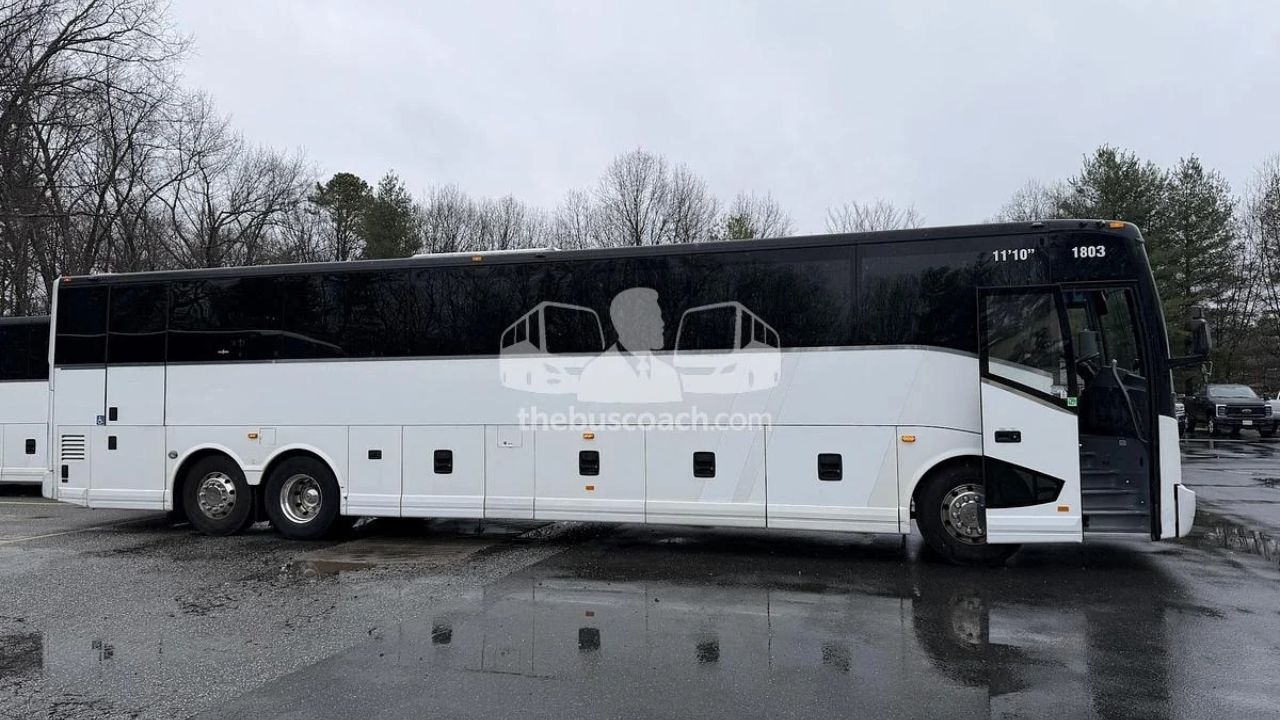
The Bus Coach offers new and pre-owned bus sales and financing. For this purchase, start with vehicle selection and a clear budget. Bring your typical group size, trip mix, and service needs. Ask which available units meet that brief and why. The company also lists financial and operational analysis services. Those may help owners assess cash flow and fleet plans before expanding.
Buy for the Trips Ahead
The coach bus vs charter bus distinction is simple once the terms are clear. Coach describes the vehicle; charter describes the service. Match the layout to your work, then test the costs and conditions. Which bus can meet your clients’ needs and still earn its place?
FAQs
Q1: What does coach bus vs charter bus mean?
The terms often describe the same bus from different angles. Coach refers to its design. Charter refers to the group’s use of the vehicle. A motorcoach hired for a private tour fits both terms.
Q2: Does every charter bus have a restroom?
No, the charter label does not promise a restroom. Check the specific bus and quote. If one is fitted, confirm that it works. Include its cleaning and service needs in your trip budget.
Q3: How many seats does a coach bus have?
There is no single seat count for all coaches. Capacity varies by model and layout. Check the current floor plan for the exact unit. Confirm usable seats for the load and access needs of your trip.
Q4: Is a smaller bus cheaper to operate?
It may cost less, but size alone cannot prove that. Compare fuel, upkeep, finance, and driver costs. Then check how much paid work each unit can handle. A cheaper bus still needs to fit the job.
Q5: Should fleet owners buy a used coach?
A used coach can fit a well-planned fleet budget. The decision depends on price, condition, and support. Get an independent inspection and review the service history.