
Van Hool TX45 Fleet Guide: Powertrain Options, Baggage Space & Lavatory Setups
Published:
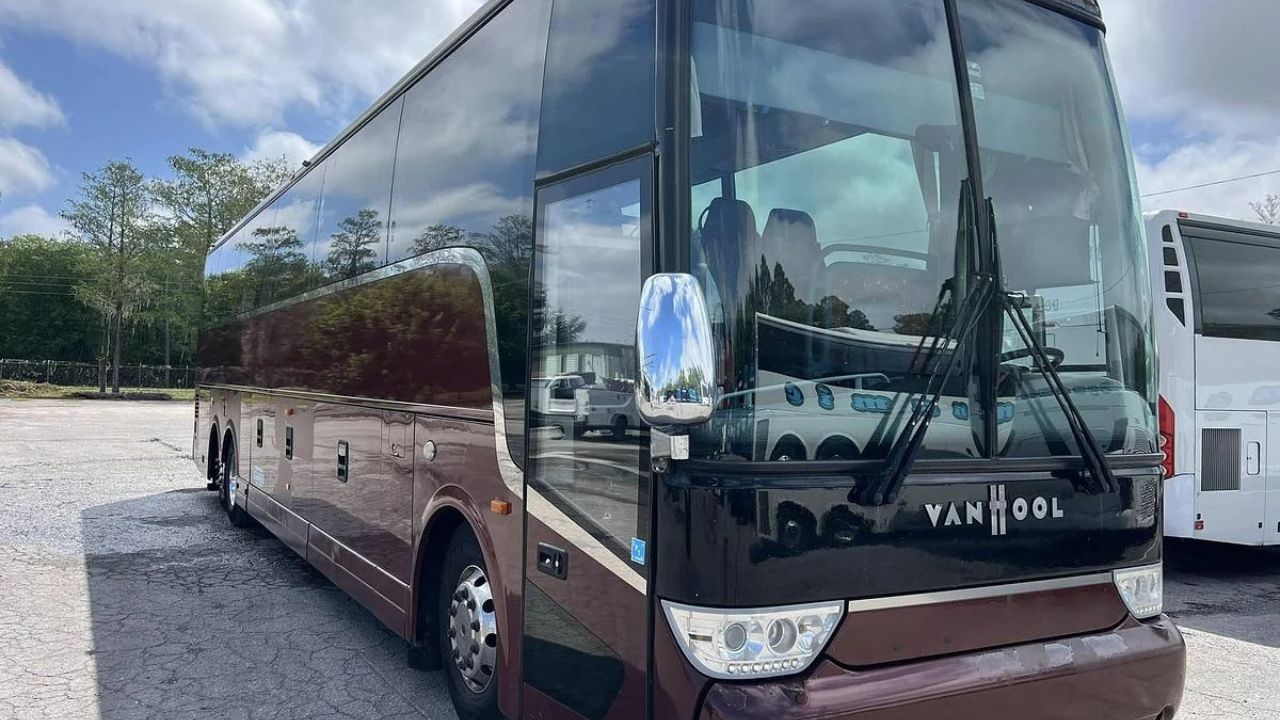
The Van Hool TX45 is a 45-foot coach with published Cummins and Detroit diesel options, lift-dependent baggage space, and restroom features that buyers must confirm on each bus. For fleet use, those details shape which jobs you can book when an airport run needs room for bags. A long tour needs a sound restroom, and a steep route calls for a powertrain your shop can support. Start with your routes, then check the coach against them. Check what lies behind the bay doors before you buy.
Van Hool TX45 Specs: Start With the Build Year
A model name does not prove how a used bus is built. Seats, lifts, racks, and restrooms can vary. Prior owners may also make changes. Therefore, ask for the VIN and build sheet before you compare two quotes.
Item: Length
Published Reference Specification: 45 feet
Item: Width
Published Reference Specification: 102 inches
Item: Height
Published Reference Specification: 11 feet, 6 inches
Item: Underfloor storage, without lift
Published Reference Specification: 440.4 cubic feet
Item: Underfloor storage, with lift
Published Reference Specification: 410.4 cubic feet
Item: Parcel racks, without lift
Published Reference Specification: 108.77 cubic feet
Item: Parcel racks, with lift
Published Reference Specification: 84.9 cubic feet
Van Hool TX45 Powertrain Options: Which Fits Your Fleet?
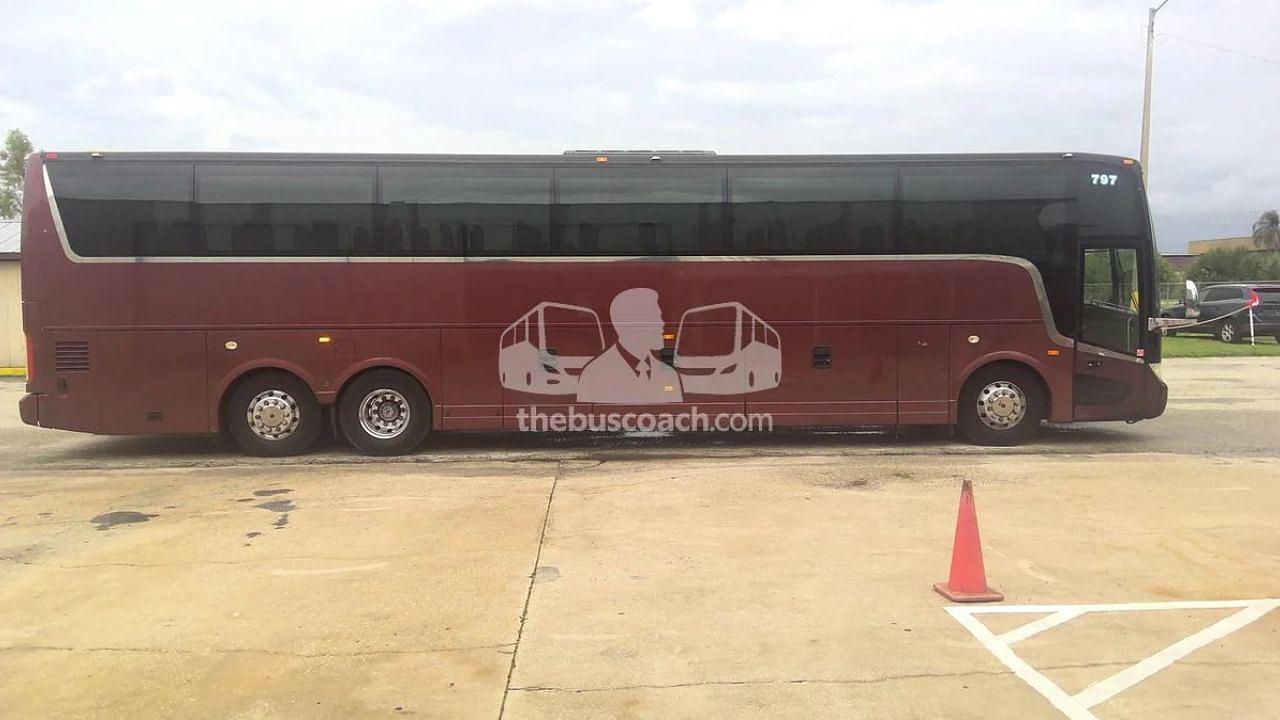
The same sheet lists a 425-hp Cummins ISX 12.0 and a 450-hp Detroit DD13. It also lists an Allison B500 six-speed automatic transmission. These are published options for that reference period. Check engine tags and service records on each candidate.
Choose Support Before Horsepower
Should you pay more for the higher horsepower rating? First, ask who will fix it near your yard. A shop that knows your engine can make fault checks easier. Shared parts and tools may help your fleet, too. Compare two coaches at the same price. One has full records and local shop support while the other has more power but gaps in its history. Check the first before you chase more power.
Use these checks to compare the powertrain:
- Engine identity: Match the engine serial number, rating, and records to the actual coach.
- Cold start: Ask the inspector to check starting, smoke, leaks, and rough running.
- Fault history: Have a qualified shop scan stored codes and review past repairs.
- Exhaust system: Check emissions service records and signs of repeat faults.
- Road test: Assess shifts, engine braking, and cooling under realistic load and road conditions.
Match the Test Drive to Your Work
A short lap on flat roads leaves questions open. Hills ask more of a coach. So do heat, full seats, and bags. Plan a road test that reflects your work. Do not budget from a claimed fuel figure alone. Speed, load, traffic, and idle time affect fuel use. Seek fuel logs from routes like yours when available. Build your estimate from evidence, with room for change.
Baggage Space: Will Your Group’s Gear Fit?
Cargo volume matters because a seat does not arrive alone. Your booking plan needs room for both people and gear. The above published underfloor figures differ by 30 cubic feet between lift setups. Parcel rack space also differs. That makes the actual layout worth checking before you price a job. A brochure total cannot show every awkward corner.
Picture a full airport pickup after a cruise. Cases come off the curb fast, and some are huge. The issue is how they fit through the doors and stack. A trial load can reveal more than a tape measure.
Inspect the bays with your normal work in mind:
- Door access: Measure openings and check that large cases fit through them.
- Usable floor space: Note equipment, stored tools, and changes that block loading.
- Bay condition: Look for leaks, rust, weak floors, and damaged seals.
- Loading time: Test whether drivers can reach bags without unloading half the bay.
- Rack fit: Check rack shape and closures against the bags guests bring.
Space and Weight Are Separate Checks
Can you fill every bay just because the bags fit? That question needs weight data, too. Ask the inspector to review loaded weight and axle limits. Include passengers, fuel, water, luggage, and any added gear. A lift may be key to the service you sell. Do not choose less access just to gain cargo room. Check the lift, securement space, and seating plan together and then set clear bag rules for each type of trip.
Van Hool TX45 Lavatory Setups: Check More Than Presence
A listing that says “lavatory” leaves several questions open. ABC’s 2022 sheet includes a flush toilet and supplemental holding tank among its listed features. On the other hand, a separate ABC listing for a 2019 coach specifies a rear flush restroom. Neither proves what another bus has today.
Ask the seller for photos, equipment details, and a live test. Check the bowl, door, floor, fan, and service points. Find out how the system flushes and how waste is drained. Confirm tank capacity from records rather than guessing.
Match Restroom Use to Trip Length
For a short shuttle, restroom demand may be low. On a long tour, guests may expect it to work. Even then, a toilet does not replace planned breaks. Your schedule still needs stops for rest and comfort. A fresh scent at handover proves very little. So, run the system and look for leaks. Check the room again after the road test. Ask a technician to trace odors instead of covering them up.
Before purchase, check:
- Flush function: Test repeated use under the maker’s operating instructions.
- Tank condition: Inspect for cracks, leaks, poor repairs, and loose mounts.
- Ventilation: Check airflow and the source of any persistent odor.
- Service access: Confirm that staff can reach drain points and valves.
- Trip support: Identify a suitable waste disposal site and cleaning plan.
Treat a restroom removal or rebuild as a separate project. It may affect seats, trim, plumbing, and weight. Get a written scope and cost before making an offer. A cheap bus can lose its price edge fast.
Build a Purchase Plan With The Bus Coach
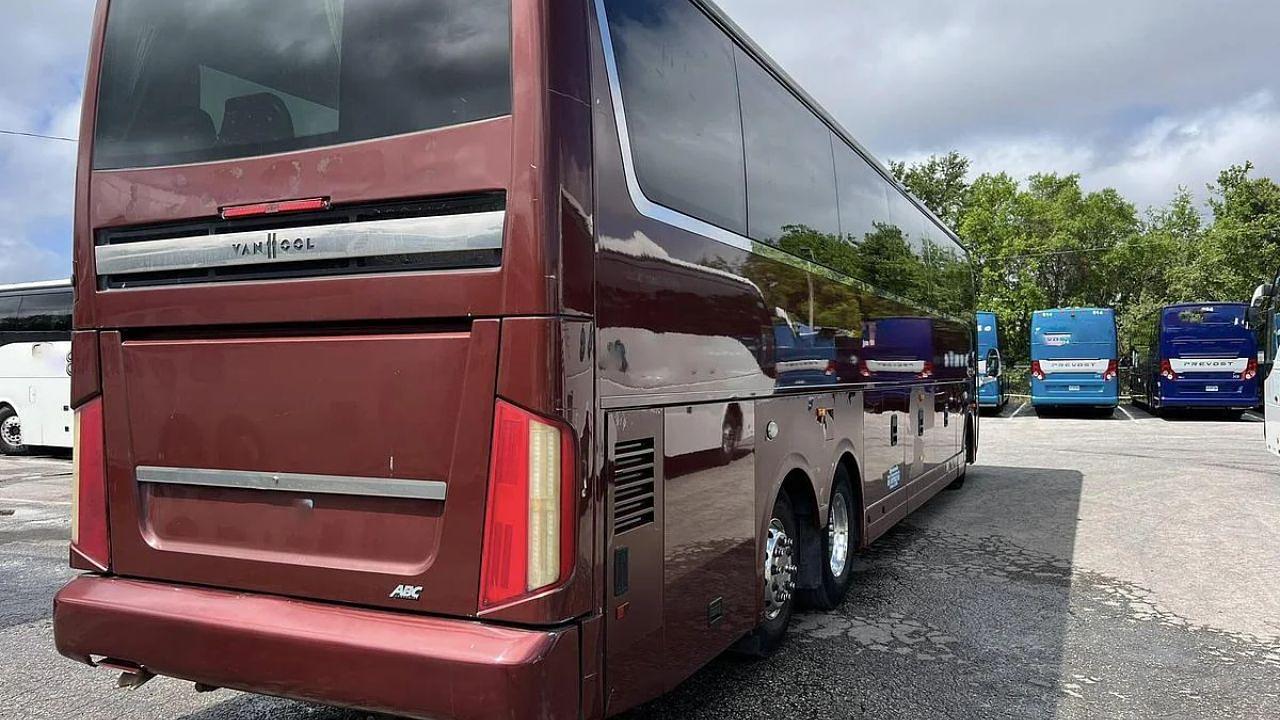
The Bus Coach offers new and pre-owned bus sales and commercial bus financing. Its financing options include loans and several lease options. These services can help operators plan a fleet purchase. Ask about current stock and terms for the coach you want.
Start your Van Hool TX45 search with a clear brief. Share your routes, group sizes, bag loads, and access needs. Add your budget and target start date. That gives the sales team a more useful basis for a search.
A 40-person tour with large cases needs a cargo plan. A short event shuttle has a different brief. Both may use the same model, yet each needs a build that fits.
Keep the buying process in this order:
- Define the work: Set passenger, baggage, restroom, and access needs.
- Review each bus: Compare build records, service history, and condition.
- Arrange inspection: Use an independent, qualified motorcoach technician.
- Price the fixes: Obtain quotes for defects and overdue work.
- Compare finance: Review total cost, fees, term, and cash reserves.
Choose the Coach That Fits Your Next Booking
A well-matched Van Hool TX45 starts with more than engine choice. It needs cargo space that suits your groups, while its restroom must fit your trips and service routine. The price must leave room for upkeep.
Use published specs to narrow the search, then inspect the actual coach. Bring your shop into the decision early. Ask The Bus Coach about sales and financing for your needs. Which bus can handle your next full booking with the fewest compromises?
FAQs
Q1: What engines does the Van Hool TX45 have?
ABC’s April 2022 sheet lists two diesel options: a Cummins ISX 12.0 rated at 425 hp and a Detroit DD13 rated at 450 hp. Confirm the engine and rating on the specific coach.
Q2: How much luggage space does this coach offer?
The reference sheet lists 440.4 cubic feet below the floor without a lift. It lists 410.4 cubic feet with a lift. Check the actual bays for changes and blocked space.
Q3: Does every coach have a flush restroom?
Do not assume so from the model name. A documented 2019 example has a rear flush restroom. Confirm the equipment, tank details, and working condition on the bus you plan to buy.
Q4: Is the Detroit engine the better fleet choice?
Horsepower alone cannot settle that choice. Compare condition, records, route needs, and local repair support.